
Croatia Travel Guide
Croatia is a relatively small country with striking regional diversity, and it’s best experienced by focusing on individual cities rather than approaching it as a single destination. While the country shares a common language and history, Croatia is best experienced city by city, where geography, food culture, and daily life vary significantly.
Travelers get the most value by choosing specific cities and understanding how each one works on its own terms — particularly when it comes to dining traditions, neighborhood layout, and where to stay.
Food & Travel Across Croatia
Croatian food culture is shaped by geography and history, blending Mediterranean, Central European, and Balkan influences. What you eat along the Adriatic coast differs noticeably from what you’ll find inland. Ingredients, cooking styles, and dining customs change from region to region.
In general:
Coastal cities emphasize seafood, olive oil, and Mediterranean flavors
Inland areas feature heartier dishes influenced by Central Europe
Seasonal ingredients play a major role in menus
Dining is social and often centered around long, relaxed meals
This variation is why city-specific food guides provide far more value than broad national summaries.
Travel logistics in Croatia are relatively straightforward, but geography matters. Coastal travel often follows the shoreline, while inland cities rely more on rail and road connections. Choosing the right base can significantly affect how you experience the country.
Cities in Croatia
Below you’ll find our city-level guides for Croatia. Each city includes:
A City Guide (what to know and how the city works)
A What to Eat guide (local food, dishes, and markets)
A Where to Stay guide (best areas and accommodation types)
Dubrovnik
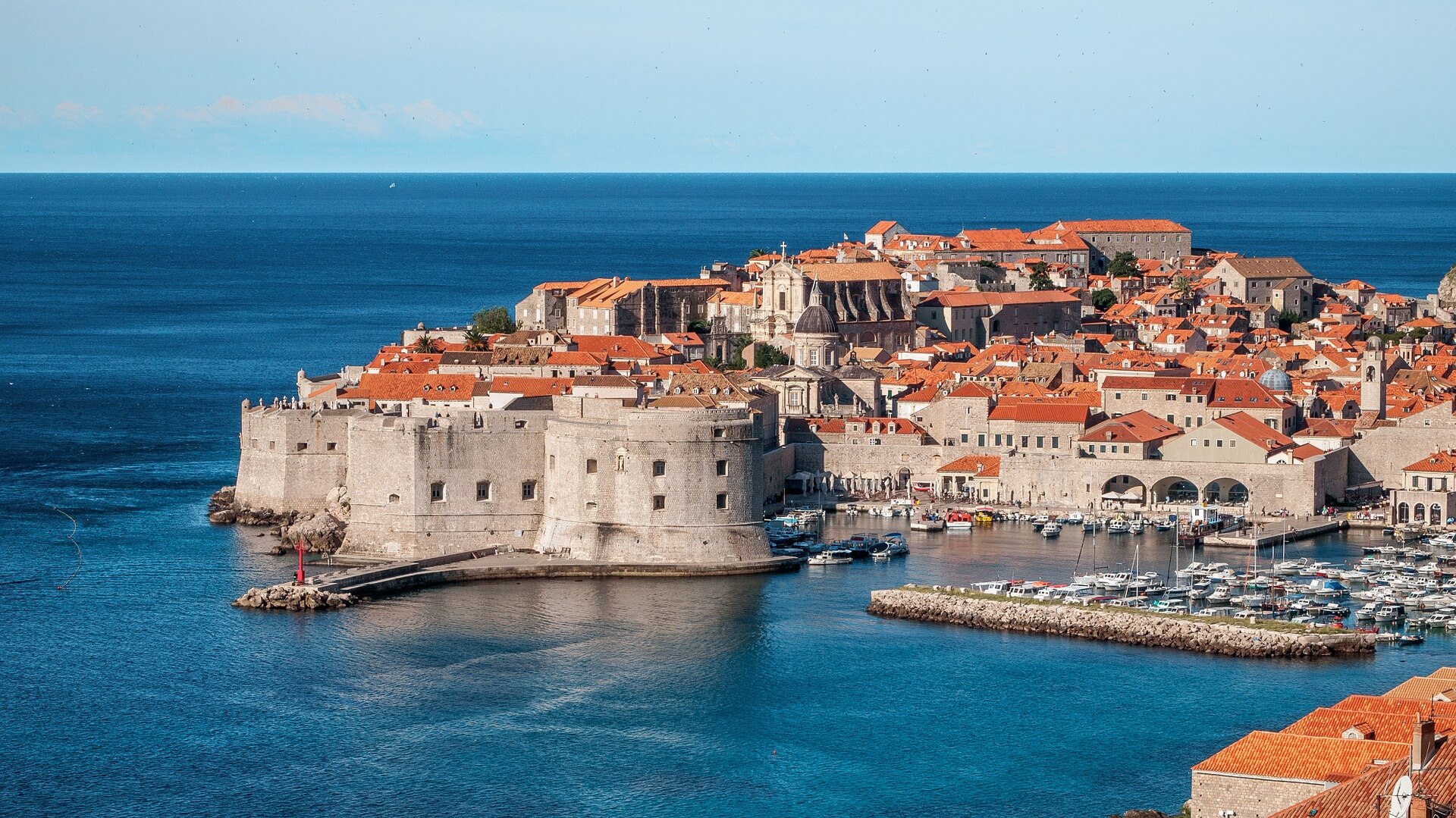
Dubrovnik is Croatia’s most internationally known city, with a historic old town and a food scene shaped by coastal traditions. Where you stay plays a major role in balancing crowds, dining, and access to the city.
Split
Split blends ancient history with a modern waterfront lifestyle. Food culture reflects Dalmatian traditions, and neighborhood choice affects walkability and access to beaches and dining.
Zagreb
Zagreb is Croatia’s capital and cultural center, with food traditions influenced by Central Europe. Dining is neighborhood-based, making location an important part of the experience.
Zadar
Zadar offers a quieter coastal experience with strong local food traditions. Staying in or near the historic center provides easy access to dining and the waterfront.
Hvar
Hvar combines island life with an active dining and nightlife scene. Food culture here blends coastal ingredients with seasonal island produce, and accommodation choice shapes how you experience the island.
Planning Your Trip to Croatia
Croatia rewards travelers who choose a small number of cities and allow time to experience each destination fully. By planning at the city level, you’ll eat better, stay in more suitable areas, and move through the country more smoothly.
Use the city guides above to plan your trip based on how you want to travel, eat, and stay, rather than relying on broad, country-level overviews.