Bonaire is one of our favorite places in the world, and one of the most underrated islands in the entire Caribbean. Most travelers default to Aruba or Curaçao without realizing that Bonaire — smaller, quieter, and far less developed — offers some of the most extraordinary water in the region. The snorkeling alone is worth the trip. The beaches are the bonus.
What makes Bonaire’s beaches genuinely different from other Caribbean islands is the geography. The island sits outside the hurricane belt and is shaped by consistent trade winds that hit the rugged eastern coast hard — creating dramatic cliffs, pounding surf, and wild, untamed shoreline — while the western coast sits in the lee of the island, where the water is calm, clear, and warm. Almost every resort, dive operator, and snorkel site is on the west coast for exactly this reason. The east coast is for exploring, not swimming.
The island is also small enough that no beach is ever far away. You can drive from one end to the other in under an hour. That means you can visit multiple beaches in a single day without the logistics that would make that impractical anywhere else.
Here is our honest guide to the best beaches in Bonaire — what each one is actually like, what you should do there, and what to expect when you arrive.
No Name Beach — Klein Bonaire
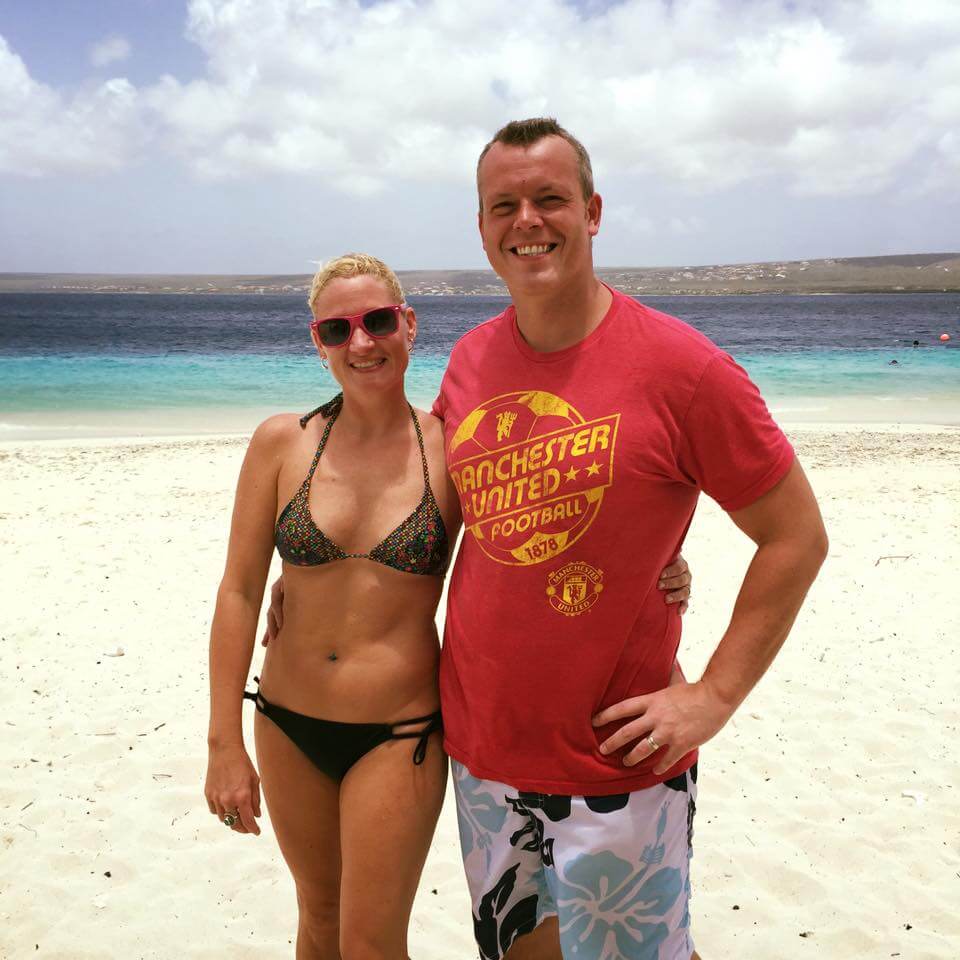
Klein Bonaire is the uninhabited island that sits just off Bonaire’s west coast — a kidney-shaped patch of land about five to ten minutes by boat from Kralendijk. There are no buildings, no facilities, no permanent residents. What there is, is a strip of white sand beach and some of the best snorkeling in the Caribbean directly off the shore.
We have been to a lot of Caribbean beaches. No Name Beach on Klein Bonaire is among the best we have experienced — not because of the beach itself, which is simple and undeveloped, but because of what is in the water. The reef starts almost immediately from the shoreline and the coral is healthy, colorful, and dense with marine life. Sea turtles are a common sight. The visibility is extraordinary. On a calm day, snorkeling off No Name Beach feels like swimming in an aquarium.
Getting there requires a water taxi from the main island. Two operators run regular departures:
Caribe Watertaxi
Daily departures from Spice/Eden Beach at 10:30 am, 12:30 pm, and 2:30 pm (plus Sundays at 9:00 am) and from Karel’s Beach Bar at 10:15 am, 12:15 pm, and 2:15 pm. Returns from Klein Bonaire at 12:45 pm, 2:45 pm, and 4:45 pm. caribewatersport.com
Epic Watertaxi
Daily departures from the Nautico Marina on the boulevard across from Restaurant It Rains Fishes at 10:00 am, 12:00 pm, and 2:00 pm. Returns from Klein Bonaire at 12:30 pm, 2:30 pm, and 4:30 pm. watertaxikleinbonaire.com
Bring everything you need — there are no facilities on Klein Bonaire. Snorkel gear, water, sunscreen (reef-safe only — Bonaire takes marine protection seriously), food, and anything else you want for the day. Plan to spend at least a few hours. Leaving after one snorkel session would be a mistake.
Lac Bay
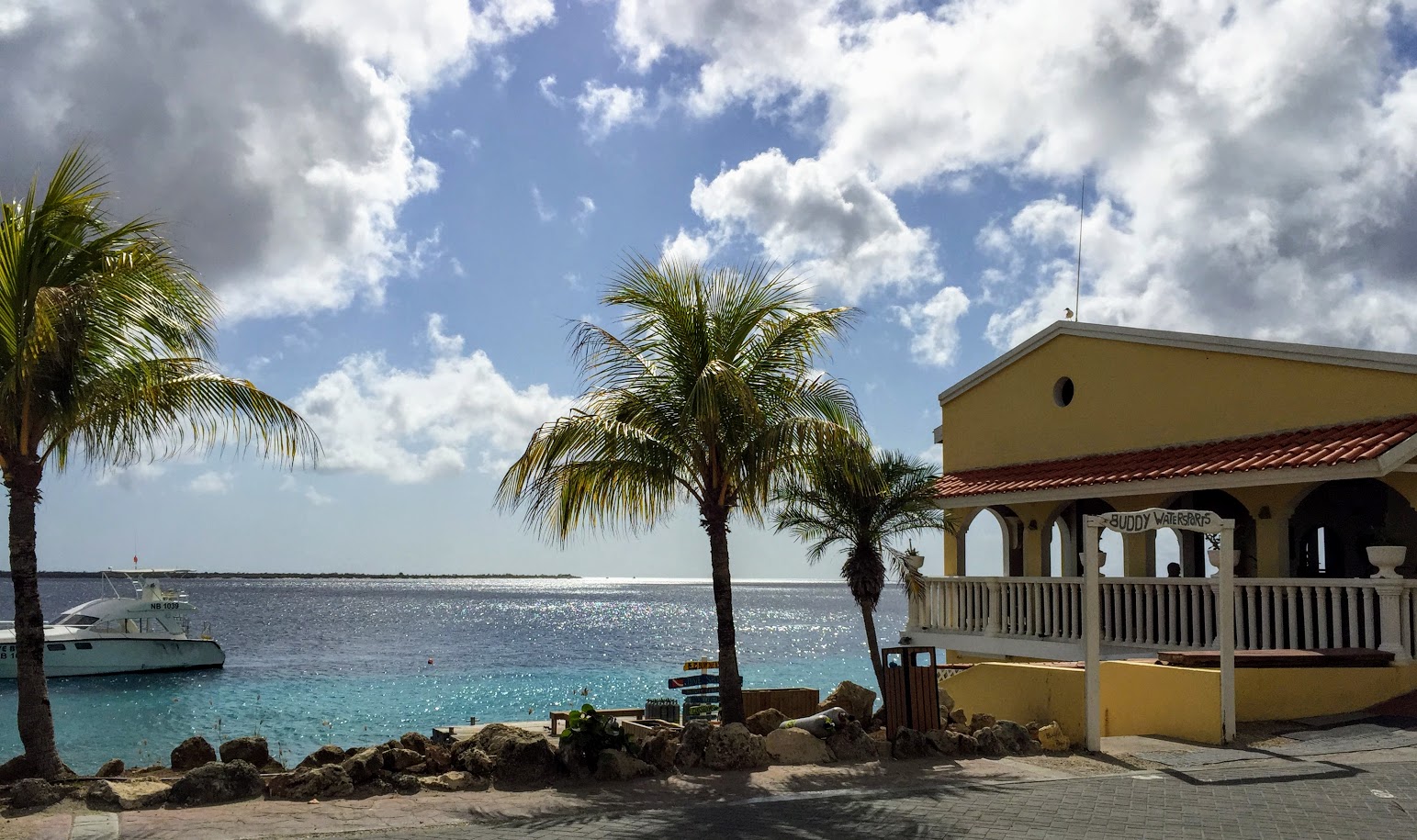
Lac Bay is a large, shallow saltwater bay on the southeastern coast of Bonaire — and one of the most ecologically significant areas on the island. The bay is protected as part of the Bonaire National Marine Park and is surrounded by one of the largest mangrove forests in the southern Caribbean, which serves as a critical nursery habitat for marine life and a feeding and nesting ground for dozens of bird species including the island’s famous pink flamingos.
The water inside Lac Bay is shallow, warm, and relatively calm — protected from the open ocean by the natural barrier of the bay’s geography. This makes it one of the best windsurfing and kitesurfing locations in the world. The consistent trade winds and flat water have made Lac Bay a destination for windsport enthusiasts for decades, and several operators based at the bay offer equipment rental and lessons for all levels.
For snorkelers, Lac Bay offers a different experience from the west coast sites — shallower, with seagrass beds that are home to sea turtles and juvenile fish rather than the coral walls of the west coast. It is worth exploring by kayak if you want to get into the mangroves and see the birdlife up close. Local operators at the bay offer both kayak rentals and guided mangrove tours.
The eastern side of the bay — known as Lac Cai — is where the traditional fishermen’s huts are located. These colorfully painted wooden huts have been used by local fishermen for generations and remain one of the most photographed and most authentically Bonairean sights on the island. A handful of small casual restaurants and bars in the area serve local food and cold drinks.
Te Amo Beach
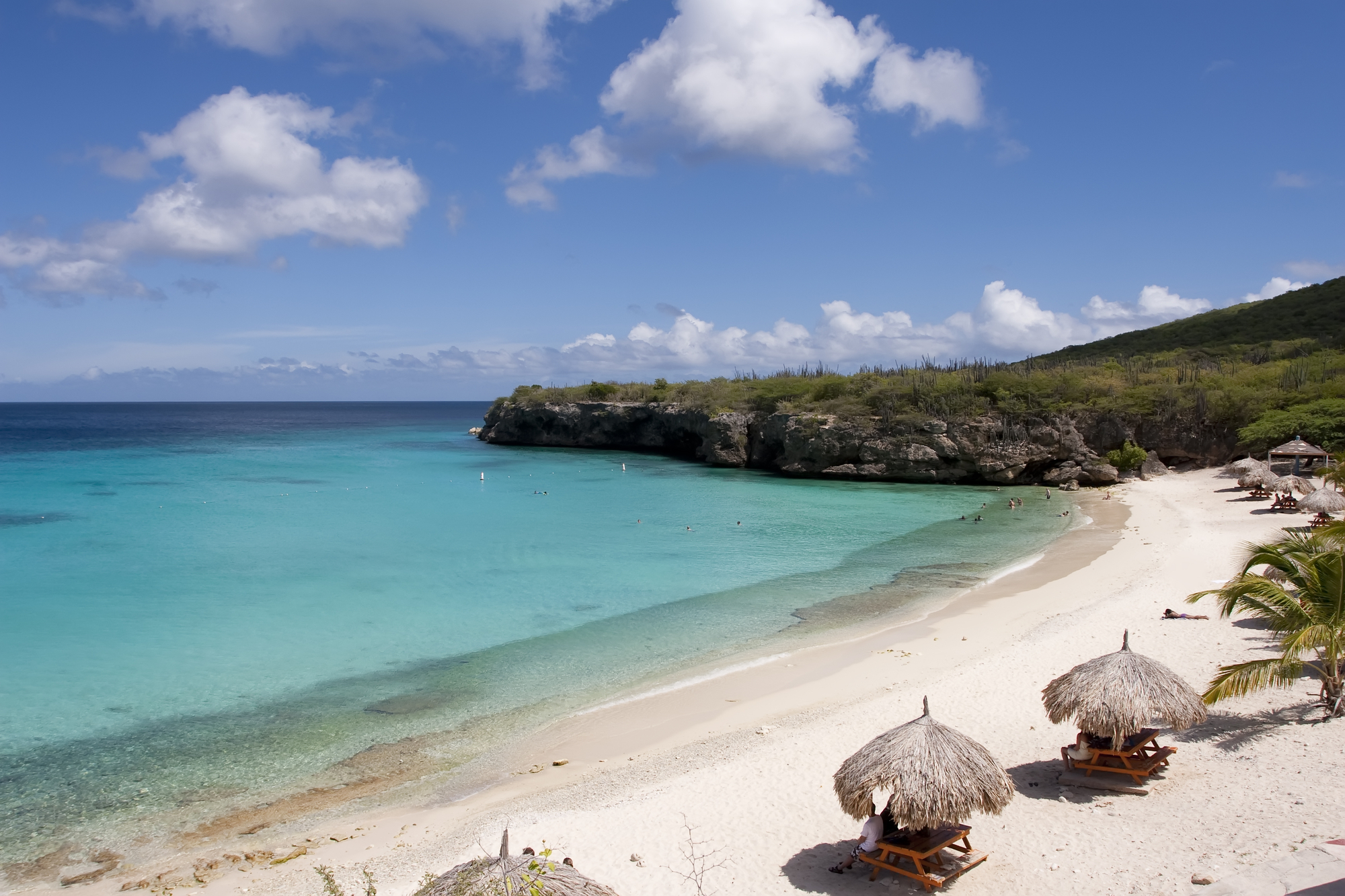
Te Amo Beach sits on the southwestern tip of Bonaire, near the airport — which sounds less appealing than it is. The planes are small and infrequent enough that the noise is barely a factor, and what you get in exchange is one of the most accessible and reliably beautiful snorkel spots on the island. The reef begins close to shore and the water is calm and clear.
The beach itself is small — a narrow strip of white sand backed by rocky shoreline — but the setting is genuinely beautiful. Rocky cliffs frame the view to the south and the water color in the shallows is that particular shade of turquoise that makes Caribbean photographs look implausible. Go in the early morning before the sun gets overhead and you will likely have the place largely to yourself.
Sea turtles nest here and are regularly spotted in the water. Bonaire takes turtle protection seriously — give them space, do not chase them, and do not touch them. They are wild animals in their habitat, not attractions. The same applies to the coral — reef-safe sunscreen only, and look but do not touch anything underwater.
There is a small parking area accessible by car. No facilities on the beach itself, so bring what you need.
Bachelor’s Beach
Bachelor’s Beach is a local favorite on the southern end of the island, close enough to Kralendijk to make it a casual afternoon destination but uncrowded enough to feel like a discovery. The sand is soft, the water is calm and clear, and the general atmosphere is relaxed in the way that only beaches without beach bars and rental chair operations tend to be.
The snorkeling off Bachelor’s Beach is excellent, anchored by one of Bonaire’s most famous dive sites — the Hilma Hooker, a cargo ship that sank in 1984 under circumstances that have generated considerable local legend. The wreck sits in about 30 meters of water and is primarily a dive site rather than a snorkel spot, but the reef around it and the shallower areas closer to shore are well worth exploring with a mask and fins. The marine life density in this part of the island is high — schooling tropical fish, sea turtles, and the occasional octopus tucked into the coral.
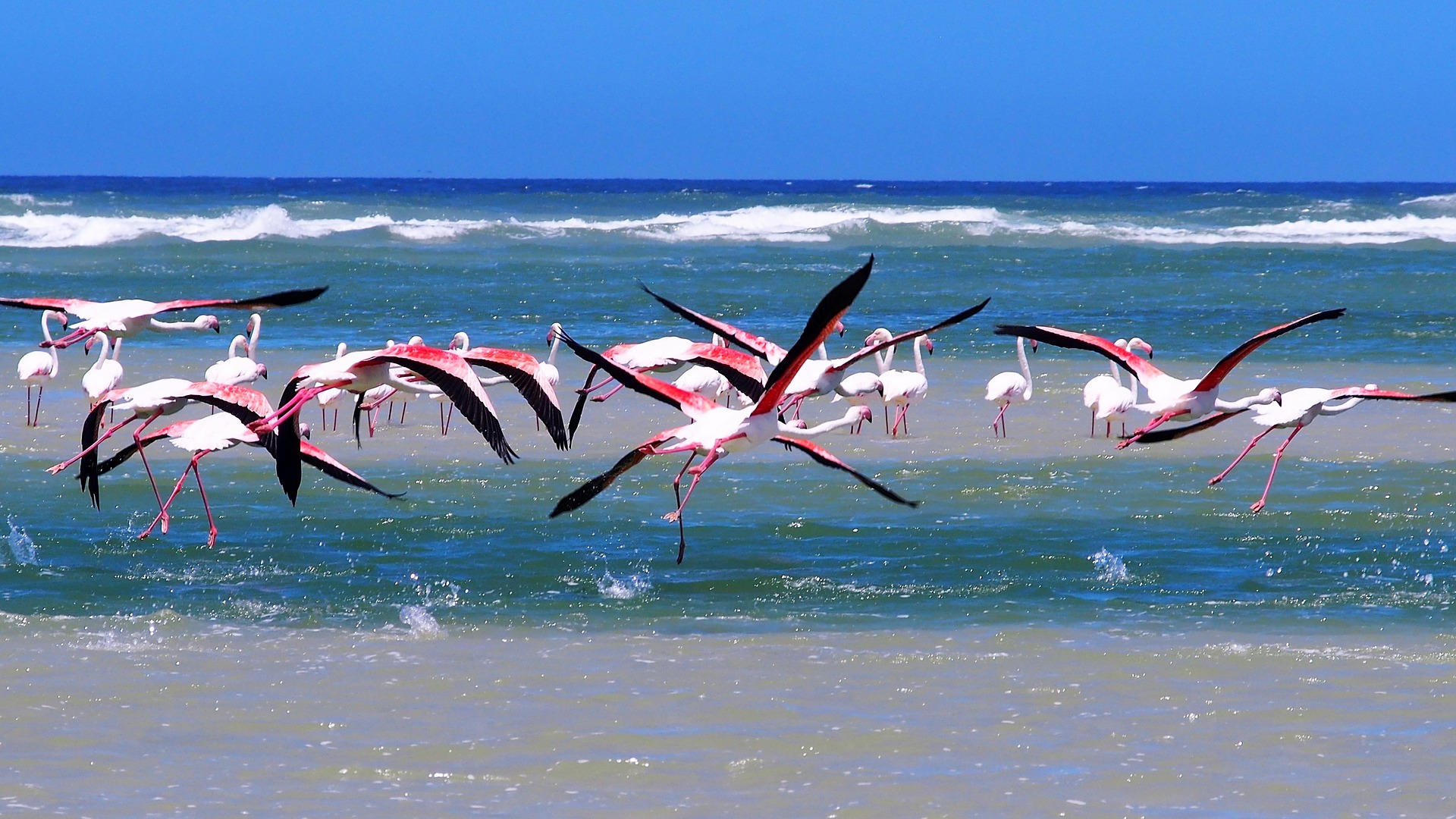
The flamingos in the photo above are not on the beach itself — they feed in the nearby salt pans on the island’s southern tip, which are visible from the road on the drive down. You do not need to go to Bachelor’s Beach specifically to see flamingos, but the southern route takes you past the salt flats where they congregate in sometimes extraordinary numbers. Stop and watch them for a few minutes. It is one of the more surreal wildlife sights in the Caribbean.
Donkey Beach
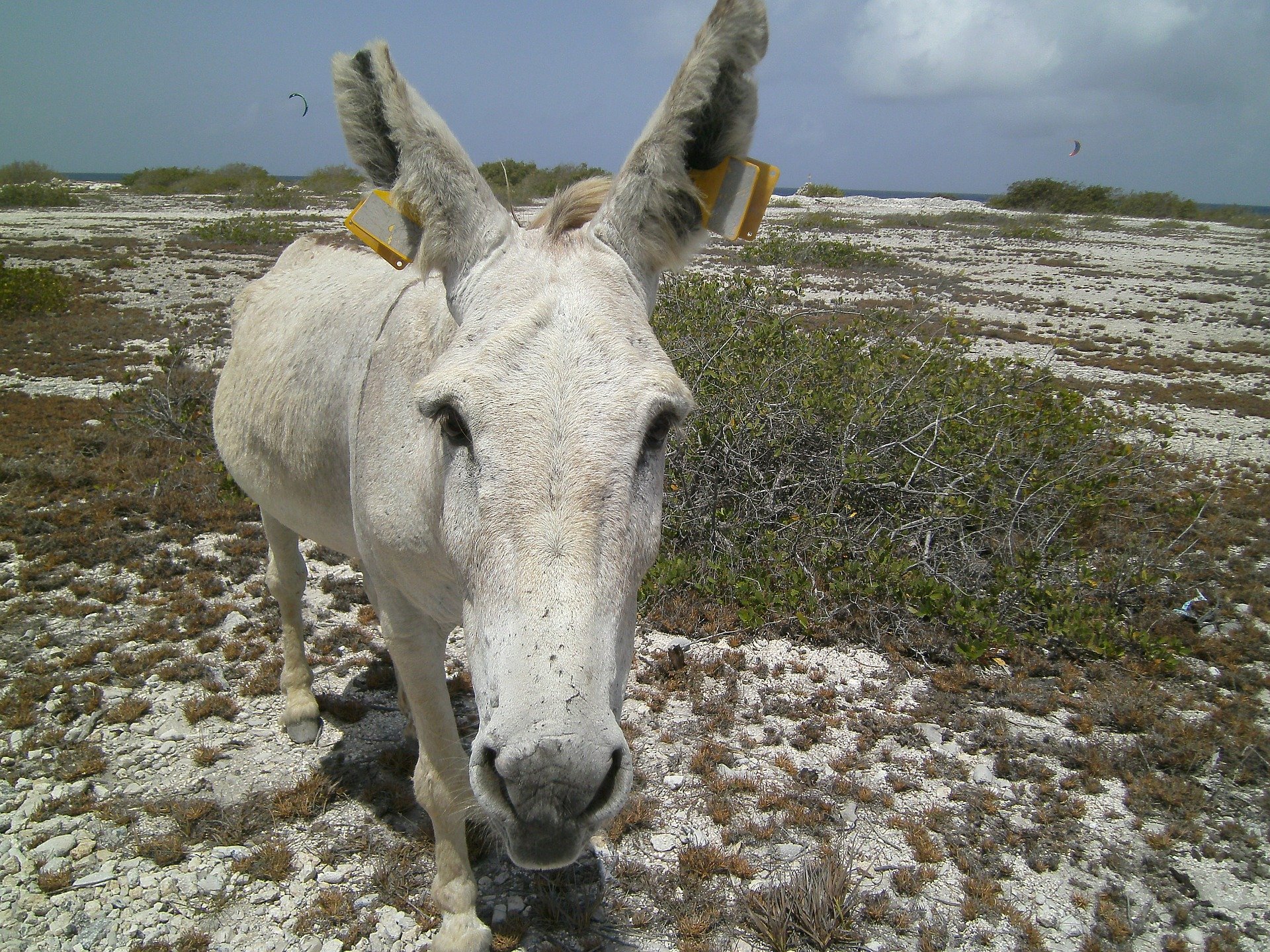
The name is not metaphorical. Donkey Beach gets its name from the wild donkeys that roam freely across this part of northern Bonaire — descended from working animals that were released into the wild after mechanization made them redundant and have been part of the island’s landscape ever since. The Donkey Sanctuary on the island cares for injured and sick animals, but many donkeys remain wild and wander where they please, including onto the beach.
The beach is on the northern west coast of the island, which means it gets less traffic than the beaches closer to Kralendijk. The snorkeling is good — the reef system along this part of the coast is healthy and the water is clear — and the combination of the underwater world and the possibility of a donkey wandering past while you towel off makes for a genuinely unusual afternoon.
The waters here are calm and the beach is wide enough to spread out. There are no facilities — no bars, no rental chairs, no bathrooms — so this is a bring-everything-you-need kind of beach. The lack of infrastructure is part of the appeal. Donkey Beach feels like Bonaire before tourism shaped it, which is increasingly rare on any Caribbean island.
Frigate birds and pelicans are common in the area. If you are paying attention to what is happening above the water as well as below it, Donkey Beach rewards that attention.
Coco Beach
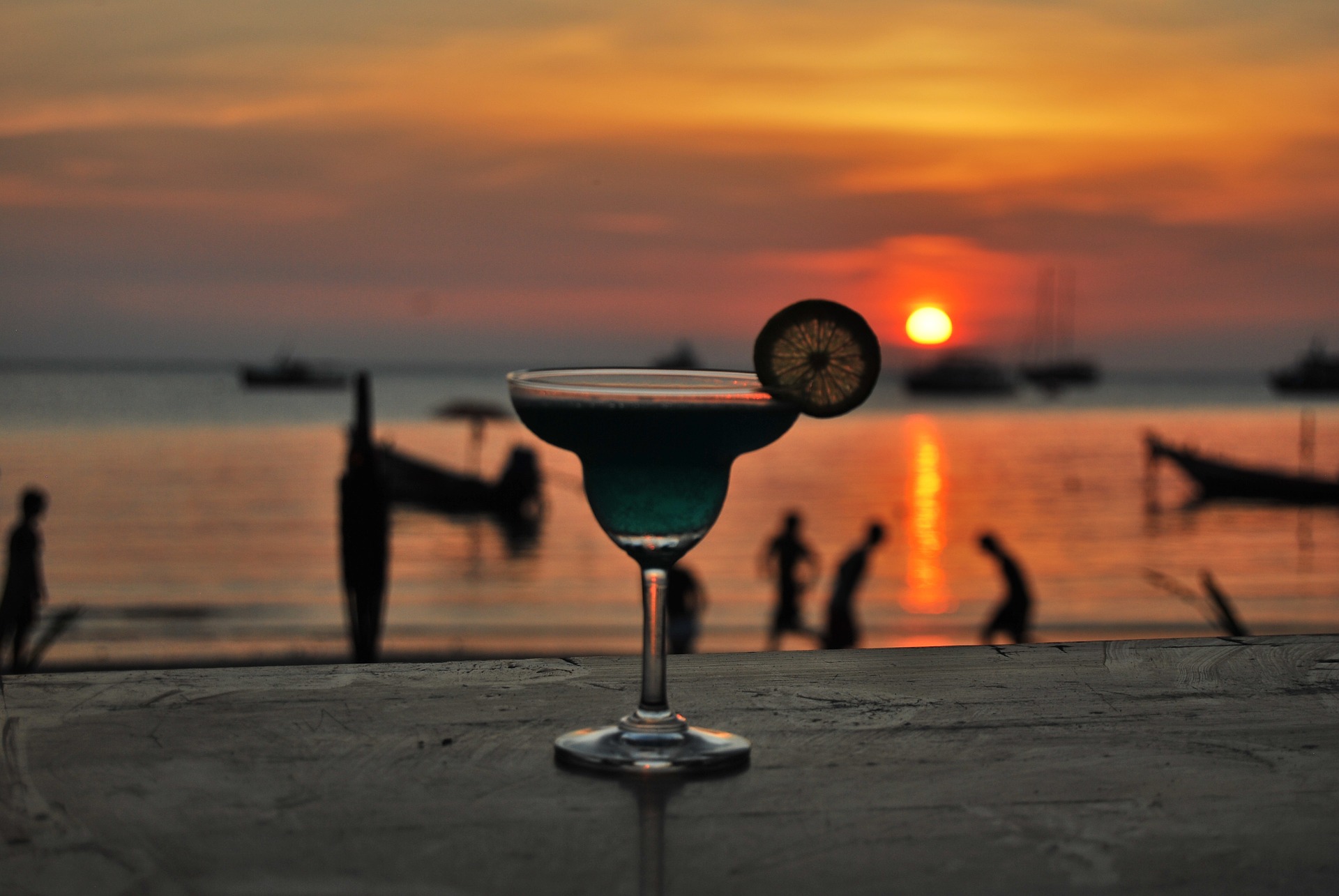
Coco Beach is on the southern coast of the island and offers a slightly different character from the west coast beaches — more sheltered, surrounded by vegetation that gives it a sense of enclosure and privacy that open beaches lack. The water is calm and clear and the coral reefs offshore are dense and colorful.
This is one of the better beaches on the island for families with younger children. The calm water and sandy bottom make it manageable for kids who are not yet confident snorkelers, and the shallower areas close to shore are safe for swimming and wading. The beach has chairs and umbrellas available for rent and a small bar and restaurant serving Caribbean food and cold drinks — making it one of the more equipped beaches on this list for a full day outing.
The underwater world here is worth exploring. The coral reefs off Coco Beach are home to the same diversity of marine life you find across Bonaire’s protected waters — tropical fish in varieties you will not find on most Caribbean islands, sea turtles moving through the water column, and the occasional spotted eagle ray in the deeper water beyond the reef edge.
Chikitu Beach
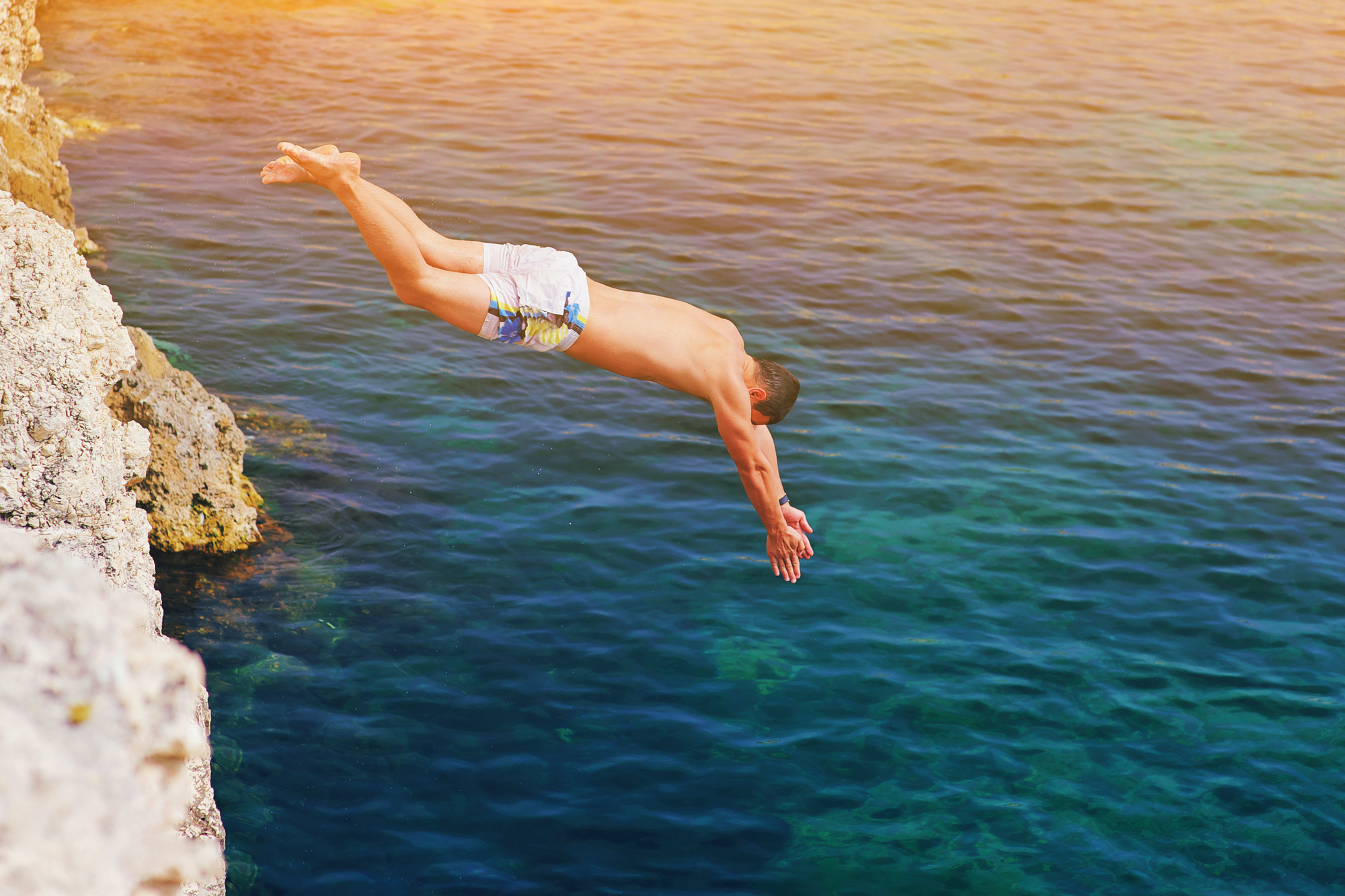
Chikitu — which means “little” in Papiamentu, the local creole language of Bonaire — is exactly that. A small, tucked-away beach on the southern end of the island that most visitors never find, which is precisely what makes it worth finding. The bay is sheltered, the water is shallow and a vivid blue-green, and the coral reef close to shore is accessible and rewarding even for casual snorkelers.
Getting there requires a short walk from a small parking area near the main road. There are no facilities whatsoever — no restaurants, no bathrooms, no rental equipment. You will need to bring everything including snorkel gear if you want to get in the water, which you should. The reef here is intimate in a way that larger, more visited sites are not. With fewer people in the water, the fish are less habituated to human presence and the experience feels more genuinely wild.
Chikitu is the kind of beach that rewards travelers who are willing to do a small amount of research before they arrive and drive slightly off the obvious route. If you are staying in Kralendijk and have a car, put this on your list for an afternoon when you want to be somewhere genuinely quiet.
Pink Beach
Pink Beach carries a complicated history for us. Tracy visited Bonaire as a child and Pink Beach was one of her favorite places on the island — a genuinely pink-tinged stretch of sand caused by the presence of fragments of red coral mixed through the white sand, catching the light in a way that gave the beach its distinctive blush color.
In 1999, a series of storms significantly altered the beach. The wave action churned the sand, broke up the surface, and left the beach rockier and shell-laden compared to what it had been. It has recovered partially over the years since, but Pink Beach today is different from the Pink Beach of earlier decades. The color is less vivid, the sand less uniformly soft, the overall character changed.
We mention this not to discourage a visit — the beach is still beautiful and the snorkeling offshore remains excellent — but to set honest expectations. If you have read older accounts of Pink Beach describing it as one of the most extraordinary pink-sand beaches in the world, understand that those accounts reflect a beach that no longer fully exists in that form. What remains is still worth seeing, particularly in the late afternoon light when the pink tones in the sand are most visible.
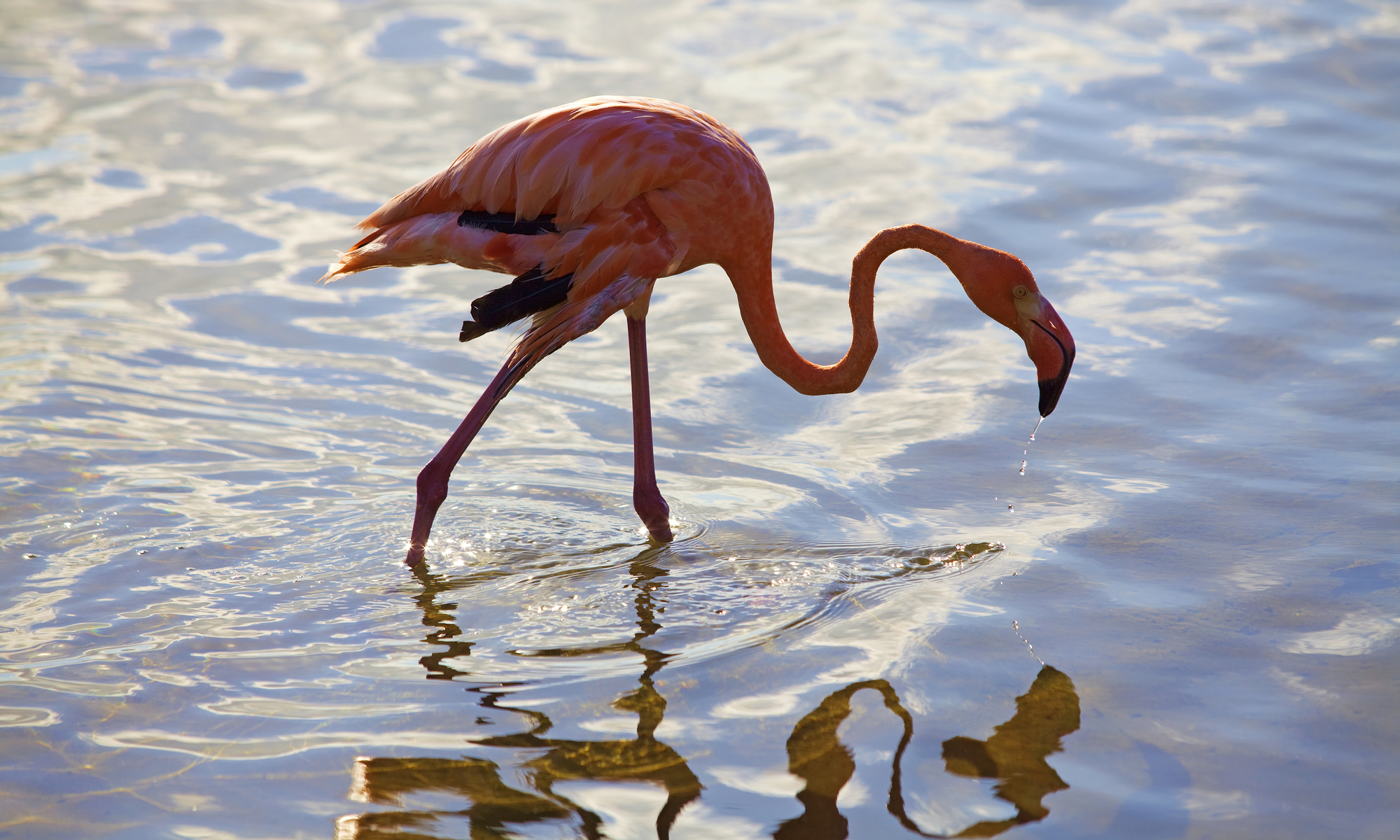
The nearby salt flats are home to a large population of flamingos that feed in the shallow saline pools. The combination of pink sand, turquoise water, and flamingos in the distance is a Bonaire scene that exists nowhere else in the Caribbean. Bring your camera and arrive in the late afternoon.
Slagbaai Beach — Washington Slagbaai National Park
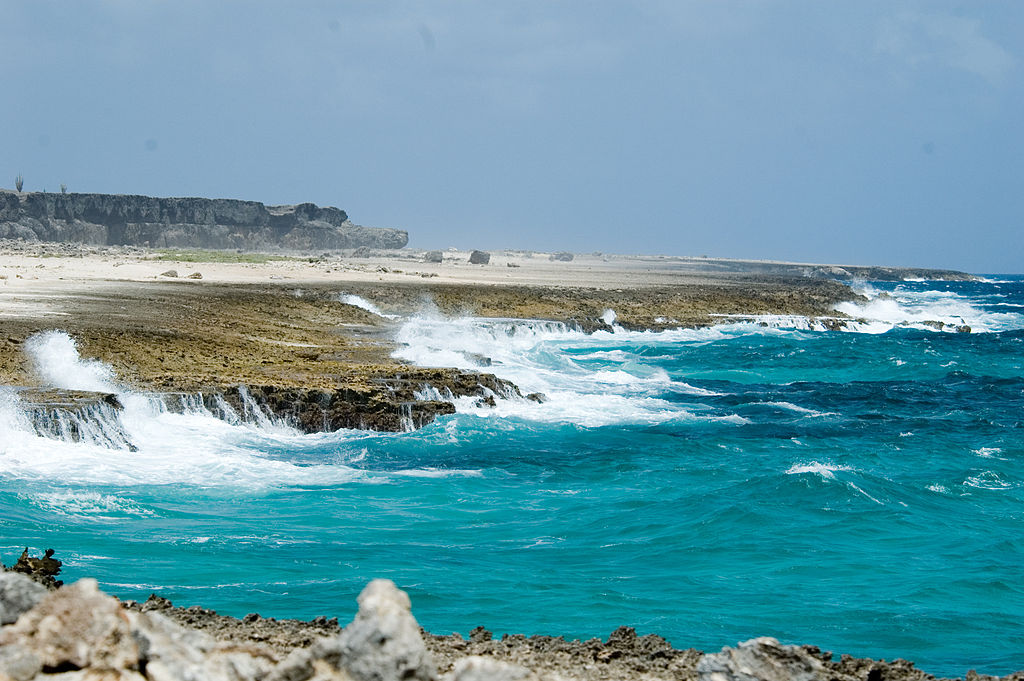
This is not a typical beach. The setting is dramatic — surrounded by rocky cliffs and outcroppings that drop into clear water, with the feel of somewhere remote and genuinely wild rather than a manicured Caribbean resort beach. The water is crystal clear and the snorkeling off the rocks is excellent. The beach also gets consistent wind and wave action that makes it a draw for windsurfers and kitesurfers.
Getting here requires paying the park entrance fee and driving the interior route, which takes time and a car that can handle unpaved roads. The reward is a beach that feels like the end of the earth in the best possible way. Pelicans, frigate birds, and terns work the cliffs above the water. Dolphins are occasionally spotted offshore. There are basic facilities including restrooms and a small restaurant.
If you are spending more than a few days on Bonaire and have not visited Washington Slagbaai, you have not seen the island. Budget a full day — the park itself is worth the time, not just the beach at the end of it.
Sorobon and the Fishermen’s Huts
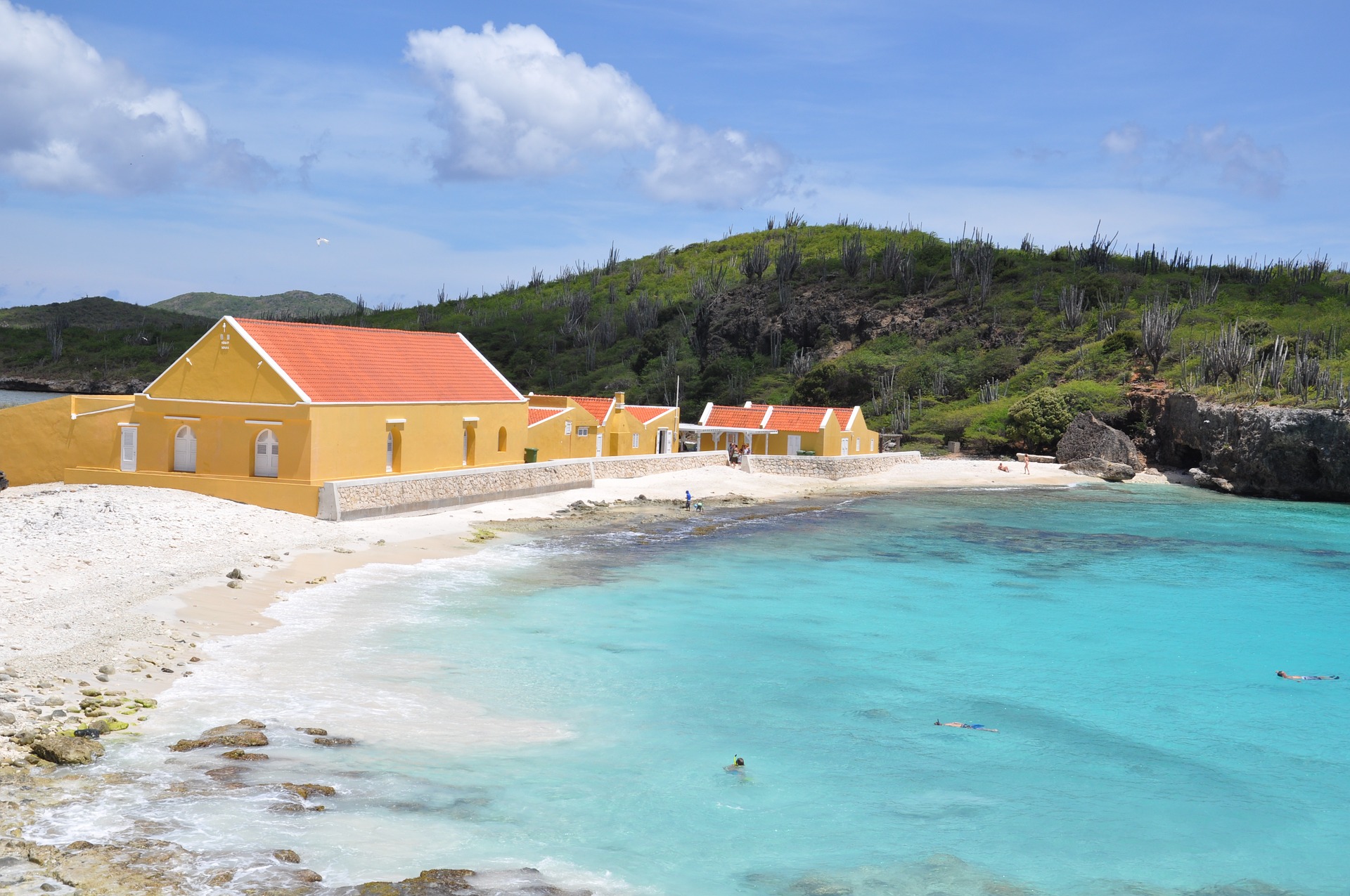
The fishermen’s huts at Sorobon — and their counterparts at Lac Cai on the eastern edge of Lac Bay — are among the most photographed and most distinctively Bonairean sights on the island. These small, brightly painted wooden structures have been used by local fishermen for generations as staging points for their work on the water, and while the fishing tradition has declined, many of the huts remain and are maintained as a cultural landmark.
The area around Sorobon is also home to one of Bonaire’s windsurfing and kitesurfing centers, taking advantage of the consistent trade winds and the protected flat water of the bay. Even if you are not there to windsurf, watching the kiters and windsurfers work the bay while flamingos feed in the shallows nearby is one of those quintessentially Bonairean scenes that stays with you.
The water here is calm and shallow — good for a relaxed swim rather than serious snorkeling. The appeal of Sorobon is atmosphere and character more than marine life. Come in the late afternoon when the light is warm and the wind picks up and the bay is at its most alive.
A Note on Snorkeling in Bonaire
Bonaire’s entire coastline is a protected marine park — you pay a Nature Fee on arrival that covers access to all marine park sites for the duration of your stay. The marine park rules are taken seriously: reef-safe sunscreen only, no touching or taking anything from the reef, no anchoring on coral, and designated entry and exit points at most sites.
These rules exist because they work. Bonaire’s reef is one of the healthiest in the Caribbean — a direct result of decades of strict protection and strong local commitment to conservation. The quality of the snorkeling you experience here is not accidental. Respect the rules and you are contributing to the reason the place is worth visiting.
Snorkel gear is available for rent at virtually every dive and water sports shop in Kralendijk. If you are staying at one of the dive resorts, gear is typically included or available at low cost on-site. Most west coast snorkel sites are accessible directly from shore — walk in off the beach or from the rocks, no boat required. That shore accessibility is part of what makes Bonaire exceptional. The reef comes to you.