
Italy Travel Guide
Italy is one of the world’s most rewarding countries to explore, but it’s also one of the easiest to misunderstand if you approach it too broadly. While the country shares a common history and culture, Italy is best experienced city by city, where food, neighborhoods, traditions, and daily rhythms change dramatically from place to place.
Rather than trying to “see Italy” as a single destination, travelers get the most value by choosing specific cities and understanding how each one works on its own terms — especially when it comes to eating well and choosing where to stay.
Food & Travel Across Italy
Italian food is deeply regional. What you eat in Rome is not what you eat in Naples, and neither resembles the cuisine of Florence, Venice, or Milan. Ingredients, cooking styles, meal structure, and even dining etiquette vary by geography.
In general:
Coastal cities emphasize seafood and lighter preparations
Inland cities focus on meats, cheeses, and heartier dishes
Northern regions lean toward butter, rice, and polenta
Southern regions rely more on olive oil, tomatoes, and wheat
This regional variation is why city-specific food guides matter far more than national lists.
Travel logistics also differ by city. Some destinations are compact and walkable, while others require thoughtful neighborhood planning to stay well connected. High-speed trains make city-to-city travel easy, but once you arrive, the experience is local.
Cities in Italy
Below you’ll find our city-level guides for Italy. Each city includes:
A City Guide (what to know and how the city works)
A What to Eat guide (local food, dishes, and markets)
A Where to Stay guide (best areas and accommodation types)
Rome
Rome combines ancient history with everyday Roman food culture. Neighborhood choice matters here, both for walkability and dining quality.
Florence
Florence is compact and food-focused, with strong traditions rooted in Tuscan ingredients and simple preparations.
Venice
Venice’s food culture is shaped by its lagoon setting, with an emphasis on seafood, small plates, and historic wine bars. Staying in the right area can significantly affect the experience.
Milan
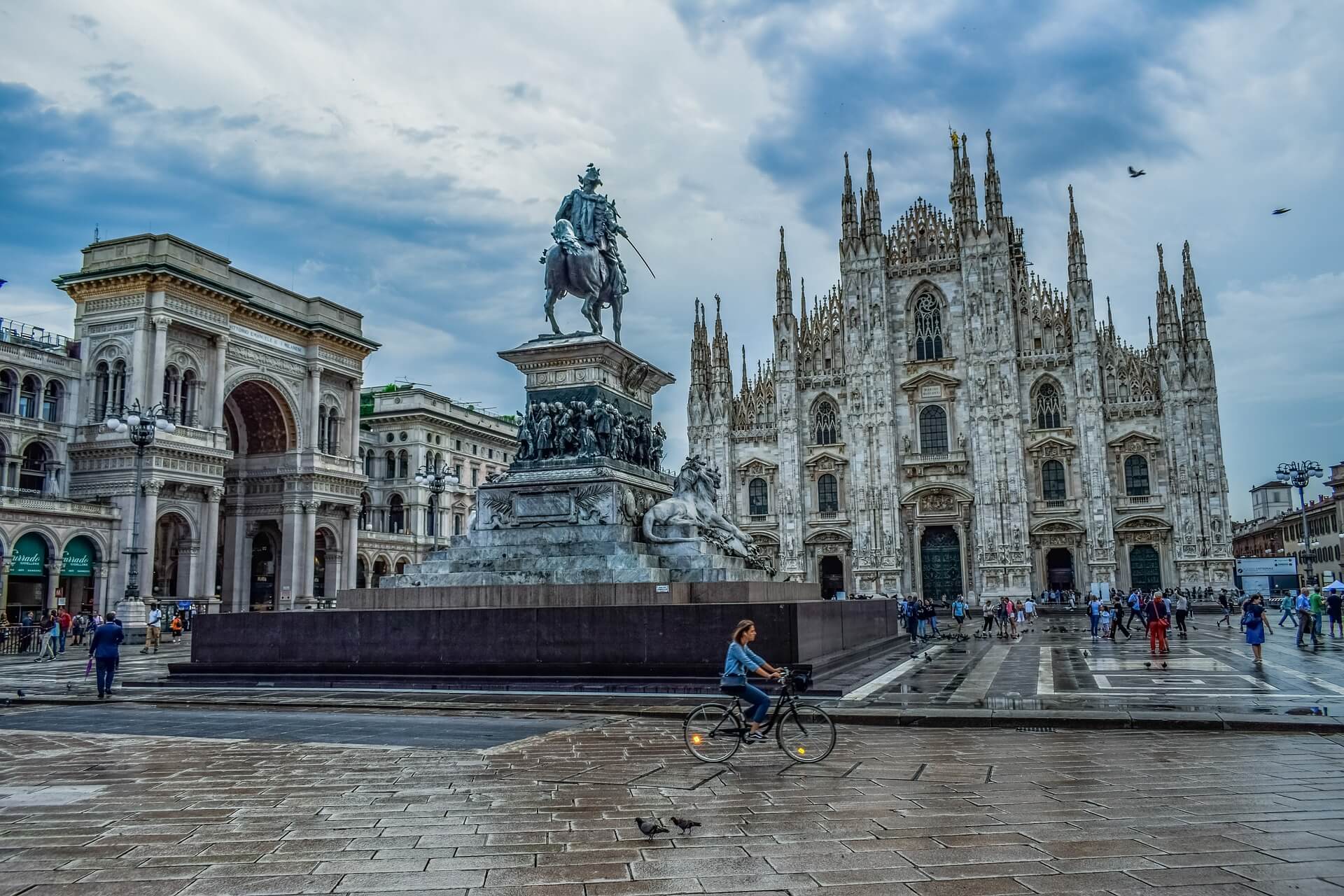
Milan blends traditional northern Italian cuisine with a modern dining scene. Neighborhood selection is especially important due to the city’s size and layout.
Naples
Naples is energetic, intense, and one of Italy’s most important food cities, known for pizza, street food, and bold flavors.
Planning Your Trip to Italy
Italy rewards travelers who slow down and choose fewer cities rather than trying to cover the entire country at once. By focusing on individual destinations, you’ll eat better, stay in more suitable neighborhoods, and experience daily life more naturally.
Use the city guides above to plan your trip based on how you want to travel, eat, and stay, rather than relying on generic country-level advice.