
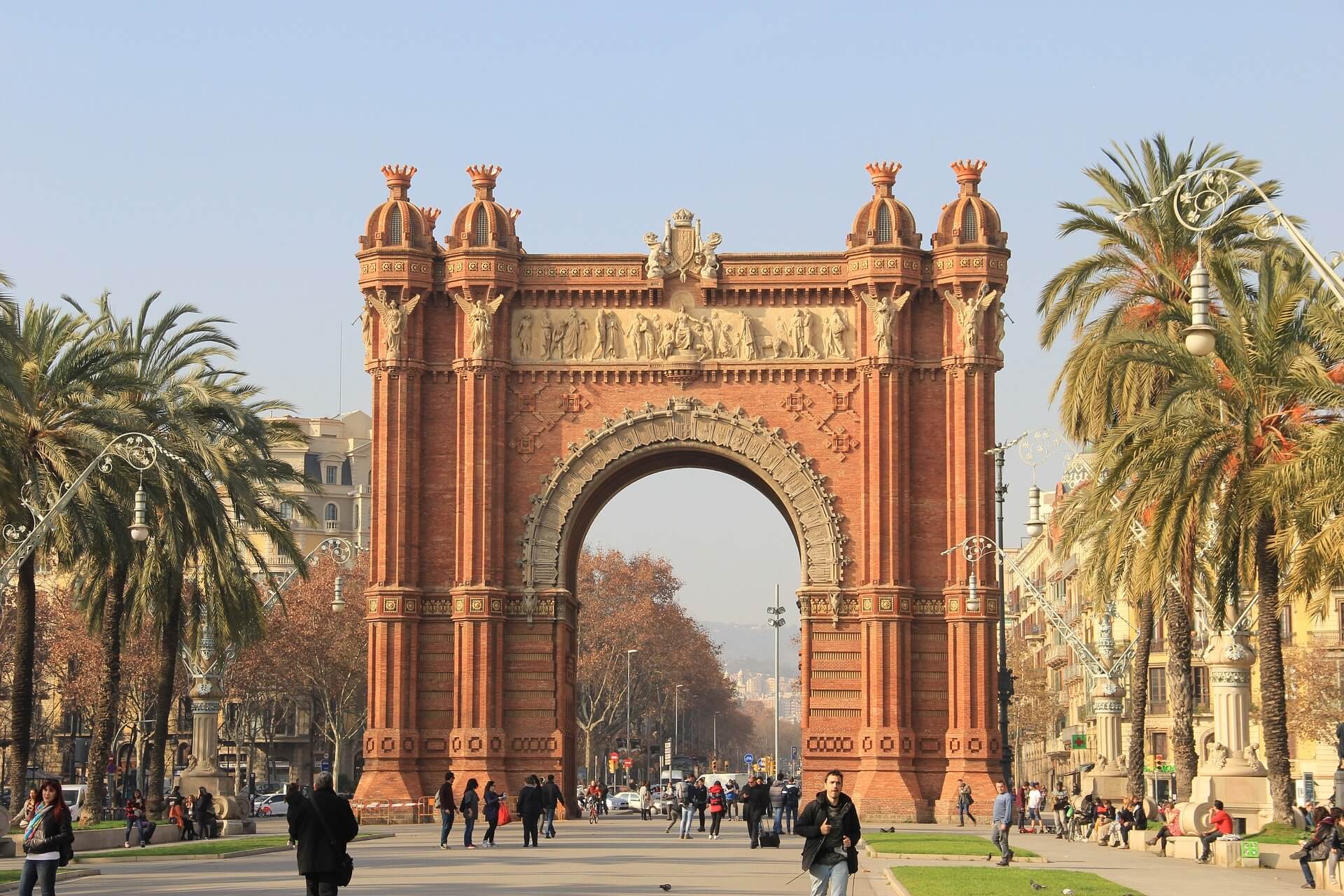
Spain Travel Guide
Spain is a country with strong regional identities, but it’s best experienced by focusing on individual cities rather than treating it as a single destination. While shared language and traditions connect the country, Spain is best experienced city by city, where food culture, daily rhythms, and local character vary significantly.
Travelers get the most value by choosing specific cities and understanding how each one works on its own terms — particularly when it comes to dining traditions, neighborhood layout, and where to stay.
Food & Travel Across Spain
Spanish food culture is deeply regional and closely tied to local ingredients and traditions. What you eat in Madrid is not exactly the same as what you’ll find in Barcelona or Seville. Cooking styles, meal timing, and dining customs vary by region.
In general:
Coastal regions emphasize seafood and lighter preparations
Inland areas focus on heartier dishes and preserved foods
Tapas culture encourages shared, social dining
Meals are often eaten later in the day and enjoyed at a relaxed pace
This variation is why city-specific food guides provide far more value than broad national summaries.
Travel logistics in Spain are efficient, with strong rail connections between major cities. However, neighborhood choice still matters, especially in larger cities where location affects dining access, walkability, and daily convenience.
Cities in Spain
Below you’ll find our city-level guides for Spain. Each city includes:
A City Guide (what to know and how the city works)
A What to Eat guide (local food, dishes, and markets)
A Where to Stay guide (best areas and accommodation types)
Madrid
Madrid is Spain’s capital and geographic center, with a food scene rooted in traditional taverns and neighborhood dining. Choosing the right area helps balance sightseeing, dining, and transportation.
Barcelona
Barcelona blends coastal location with strong regional identity. Food culture reflects Catalan traditions, and neighborhood choice affects access to dining areas, beaches, and historic districts.
Seville
Seville offers a slower pace and a deeply rooted tapas culture. Staying centrally makes it easier to explore dining neighborhoods and experience daily life on foot.
Planning Your Trip to Spain
Spain rewards travelers who focus on a small number of cities and allow time to experience each destination fully. By planning at the city level, you’ll eat better, stay in more suitable neighborhoods, and experience regional differences more naturally.
Use the city guides above to plan your trip based on how you want to travel, eat, and stay, rather than relying on broad, country-level overviews.