
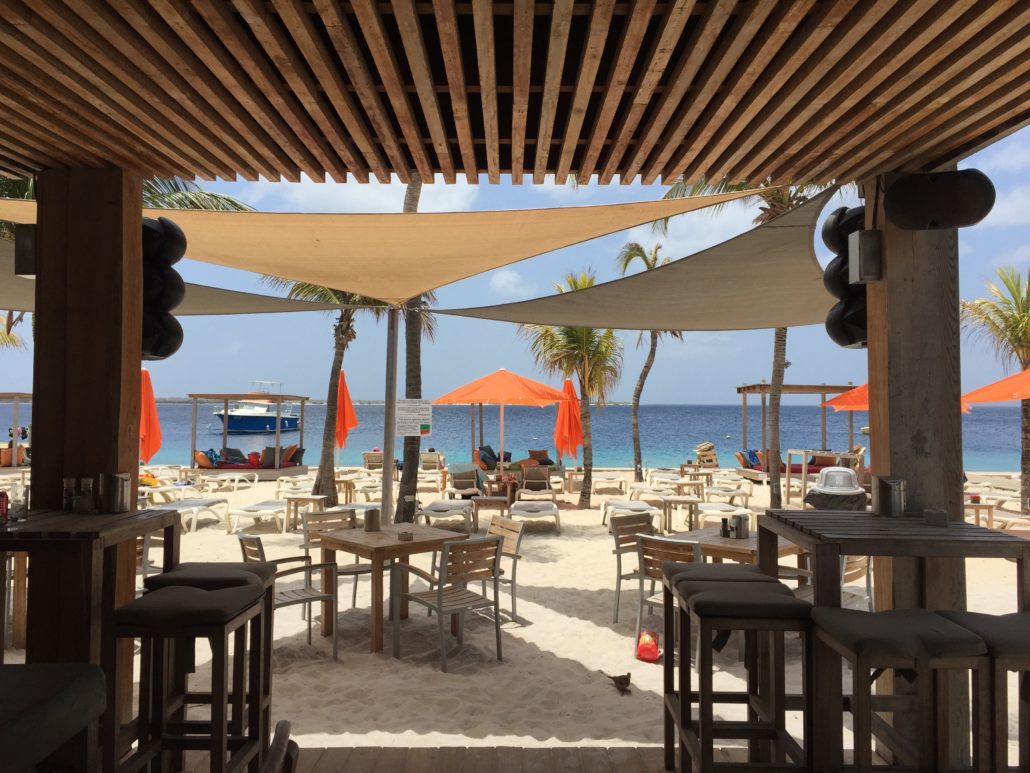
Bonaire is one of the Caribbean’s best-kept secrets — a small Dutch island in the southern Caribbean whose underwater world is consistently ranked among the top dive destinations on earth. Above water, the island is unhurried, uncrowded, and genuinely distinct from the resort-heavy Caribbean mainstream.
The Caribbean for people who come for what’s underwater, not what’s on the beach.
Bonaire is a special municipality of the Netherlands, located 80 kilometers north of Venezuela in the southern Caribbean — well outside the Atlantic hurricane belt, which gives it a year-round weather reliability that most Caribbean islands cannot match. The island is small (approximately 45 kilometers long), arid, and relatively flat, with a landscape of cacti, flamingos, and salt flats that has more in common with the Canary Islands than the tropical Caribbean of popular imagination.
What brings visitors to Bonaire is the reef. The island’s entire coastline is a marine protected area — the Bonaire National Marine Park — and the fringing reef is accessible by shore entry at dozens of marked dive sites around the island. This shore-diving infrastructure, combined with exceptionally clear water and a healthy, largely undisturbed coral ecosystem, makes Bonaire the preeminent shore-diving destination in the Western Hemisphere. Snorkelers have nearly equal access to the same reef without the equipment overhead of diving.
Fresh seafood, Dutch influence, and a casual island dining culture.
Bonaire’s food scene is small, informal, and shaped by its position as a Dutch Caribbean island with a resident population of around 22,000. The dining culture is casual — there are no fine dining establishments in the European sense — but the quality of fresh seafood is consistently good and the Dutch influence produces a reliable standard in the island’s better restaurants and cafés.
- Fresh fish — mahi-mahi, wahoo, snapper, grouper — is the culinary foundation; the best places get their fish directly from local fishermen and the quality difference is apparent
- Keshi Yena is the signature Antillean dish — a stuffed cheese shell filled with spiced meat, raisins, and olives — worth ordering at any restaurant that serves traditional Antillean food
- Dutch influence shows up in the availability of good bread, Gouda, and Indonesian-influenced dishes (a legacy of the Netherlands’ colonial history in Southeast Asia)
- The island’s small but growing craft beer scene and the availability of Dutch beers make it a more interesting drinking destination than many Caribbean islands
- Most restaurants are concentrated in and around Kralendijk; a rental car or scooter opens up a handful of excellent spots around the island’s coastline
Kralendijk — the island’s capital and main base for exploring Bonaire.
Bonaire has one main town, and virtually all visitor accommodation, restaurants, and dive operators are located in or around it. Kralendijk is small, walkable, and colorful — a Dutch Caribbean town with painted buildings, a waterfront promenade, and a relaxed pace that sets the tone for the island as a whole.
Kralendijk is Bonaire’s capital and its only significant town — a small, colorful Dutch Caribbean settlement on the island’s western shore. The waterfront boulevard, the open-air fish market, and the handful of streets that make up the town center are all walkable in a morning. But Kralendijk’s primary function for visitors is as a base: most dive operators, equipment rental shops, restaurants, and hotels are located here or within a short drive along the coast road. The town’s character — unhurried, Dutch-inflected, genuinely local — is one of Bonaire’s most distinctive qualities and sets it apart from the more resort-dominated islands of the Caribbean.
Come for the reef. Plan around the water. Stay at least a week.
Bonaire is a destination where the primary activity — diving or snorkeling — benefits enormously from time. A week on the island allows you to work through the major dive sites at a comfortable pace, repeat the ones you love, and adjust to the island’s rhythm without feeling rushed.
Getting there. Bonaire is served by direct flights from Amsterdam (KLM, approximately 9.5 hours), Miami, New York, and several other US and European cities. The airport (Flamingo International, BON) is just outside Kralendijk. Most accommodation is within 10–15 minutes by taxi or rental car.
Diving logistics. A Nature Fee is required for all divers and snorkelers — purchased once per year and covering unlimited entries to the marine park. Most dive operators offer complete package deals including tank rentals, air fills, and guided dives. A rental truck or jeep is the most practical way to access dive sites around the island independently.
Best time to visit. Bonaire sits outside the hurricane belt and has reliable weather year-round — average temperatures hover around 27–29°C throughout the year with consistent trade winds. Water visibility is consistently excellent. The island’s small size means there is no meaningfully better or worse season; it is simply good year-round.
Explore more of our Bonaire coverage below.