
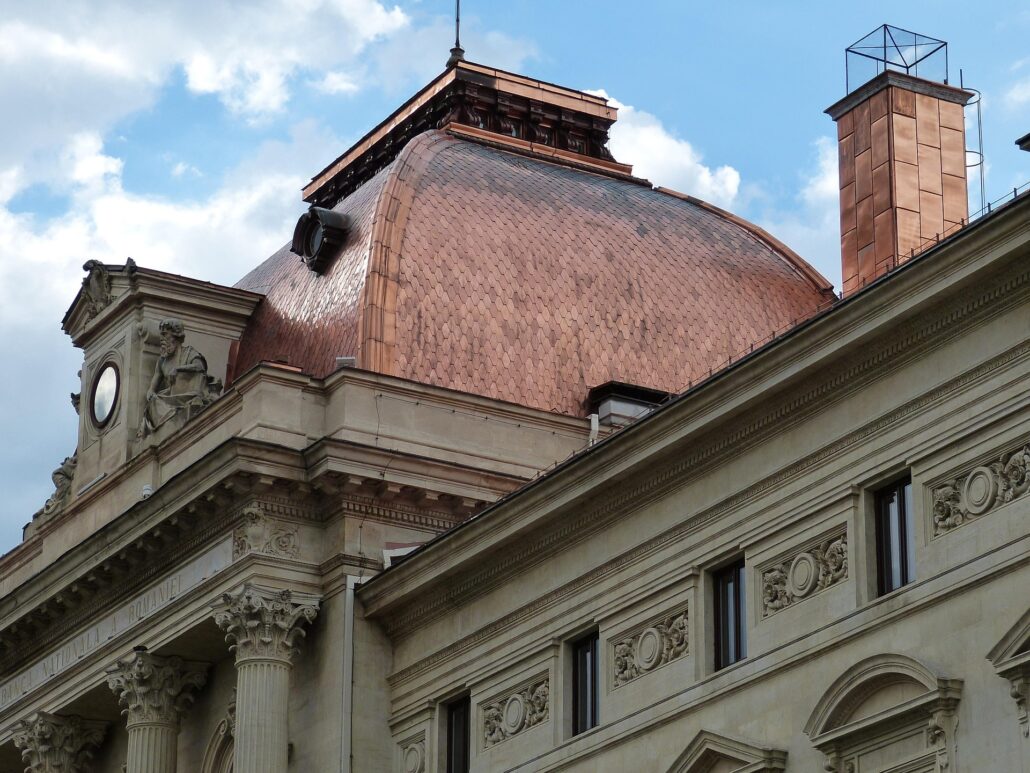
Romania is Eastern Europe’s most underestimated travel destination — a country of medieval Saxon towns, Carpathian mountain landscapes, painted Byzantine monasteries, and three cities that each offer a different and genuinely rewarding entry point into a culture most visitors have never properly considered.
Medieval fortified churches, Carpathian bears, painted monasteries, and cities where the 20th century left its mark on every surface.
Romania occupies a unique position in European travel — a country with extraordinary natural and cultural assets that has remained largely outside the mainstream tourist circuit, delivering the kind of experience that feels genuinely off the beaten path without actually being difficult or inaccessible. The Transylvania region — far more interesting than its Dracula associations suggest — contains some of the best-preserved medieval Saxon towns in Europe, including Brașov and Sibiu, alongside a Carpathian landscape of bear-inhabited forests, fortified churches, and a road (the Transfăgărășan Highway) that Top Gear once called the world’s best driving road. Bucharest, the capital, is a city of dramatic contradictions — Belle Époque boulevards interrupted by Communist-era apartment blocks, an emerging arts scene, and one of Europe’s most frenetic nightlife cultures.
Romania is also one of the most affordable destinations in the European Union — accommodation, food, and transport all come at prices significantly below Western European levels, making it excellent value for the quality and variety of experience on offer.
Hearty Carpathian cooking, exceptional charcuterie, and a wine industry that has been quietly improving for decades.
Romanian food culture is rooted in its peasant agricultural tradition — slow-cooked meats, preserved vegetables, soured cream, polenta, and the kind of hearty, filling cooking that reflects a country with cold winters and a long tradition of self-sufficiency. It is not a cuisine that has attracted international food media attention, but it is honest, satisfying, and at its best — in a traditional restaurant in Brașov or a village guesthouse in Transylvania — genuinely excellent.
- Sarmale — cabbage rolls stuffed with minced meat and rice, slow-cooked in a tomato sauce and served with sour cream — is Romania’s national dish and the standard by which traditional Romanian cooking is judged; the best versions require hours of preparation and taste nothing like any foreign approximation
- Mămăligă — a thick polenta made from yellow cornmeal, served as a side dish or base for stews, fried eggs, and sheep’s cheese — is the daily staple of Transylvanian cooking and the foundation of Romanian peasant food culture
- Romanian charcuterie — cârnați (spiced pork sausages), tobă (head cheese), and the smoked meats of Transylvania — is of consistently high quality and is best bought at local markets rather than supermarkets
- Romanian wine has been improving steadily for two decades and the country’s indigenous grape varieties — Fetească Neagră (red), Fetească Albă and Fetească Regală (white) — produce wines of genuine character that remain largely unknown internationally despite their quality
- Țuică — a plum brandy distilled on farms throughout the country — is Romania’s traditional spirit and the customary greeting drink at any traditional household or rural guesthouse; quality varies enormously between commercial and homemade versions
Three cities, each with a complete set of guides.
Bucharest is a city of dramatic contrasts — wide Belle Époque boulevards (it was once called the Paris of the East) interrupted by the Ceaușescu-era Communist architecture that displaced whole neighborhoods in the 1980s, including the Palace of the Parliament, the second-largest building in the world by floor area after the Pentagon. The historic neighborhoods of Floreasca, Dorobanți, and the revitalized Văcărești district have excellent restaurants and bars. The National Museum of Art of Romania, the Village Museum (an open-air ethnographic museum of traditional Romanian architecture in Herăstrău Park), and the nightlife of the Floreasca and Old Town areas are all worth time. Bucharest has one of Europe’s most active clubbing scenes — a significant draw for a specific type of traveler.
Brașov is the most visited city in Transylvania and the most immediately rewarding — a beautifully preserved medieval Saxon town ringed by the Carpathian Mountains, with a central square (Piața Sfatului) surrounded by Gothic and Baroque buildings, the Black Church (the largest Gothic church in Romania) rising above the rooftops, and a cable car ascending Tampa Mountain for panoramic views over the city. Bran Castle — often marketed as “Dracula’s Castle” with historical liberties — is 28 kilometers away and worth visiting for its actual history as a medieval fortress rather than its vampire associations. The fortified Saxon churches of the surrounding villages (Prejmer, Hărman, Viscri) are UNESCO-listed and extraordinary. Brașov is 2.5 hours from Bucharest by train and works well as a standalone destination or as part of a Transylvania road trip.
Cluj-Napoca is Romania’s second city in cultural and economic importance — a university city of 320,000 people in the heart of Transylvania with a young, creative energy and a contemporary arts and food scene that has developed rapidly in the past decade. The TIFF (Transylvania International Film Festival) in June is one of Central Europe’s most significant film festivals. The central Unirii Square, the St. Michael’s Church, the National Museum of Transylvanian History, and the Botanical Garden are all worth visiting. Cluj is also the best base for exploring central Transylvania — the Apuseni Mountains to the west, the fortified churches of the Saxon villages, and the landscapes of the Transylvanian plateau are all accessible within a day’s drive.
Romania rewards a road trip structure. Combine cities with the landscapes between them.
Getting around. CFR Călători operates Romania’s national rail network — reliable for the Bucharest–Brașov route (2.5 hours) and the Bucharest–Cluj route (6 hours). A rental car unlocks the full range of what Romania offers — the fortified Saxon churches, the Transfăgărășan and Transalpina mountain roads, and the rural villages that make Transylvania extraordinary are all best reached by road.
Best time to visit. May through September offers the best conditions for Transylvania and outdoor travel. The Carpathian landscapes are at their finest in spring and autumn. Bucharest’s cultural life is strongest from autumn through spring. Winter in the Carpathians brings skiing at Poiana Brasov and Sinaia — both accessible from Brașov.
Value. Romania is among the most affordable EU destinations — a mid-range restaurant meal in Brașov or Cluj costs a fraction of equivalent meals in Western Europe. The quality of local food, wine, and accommodation at every price point represents exceptional value.
Explore more of our Romania coverage below.