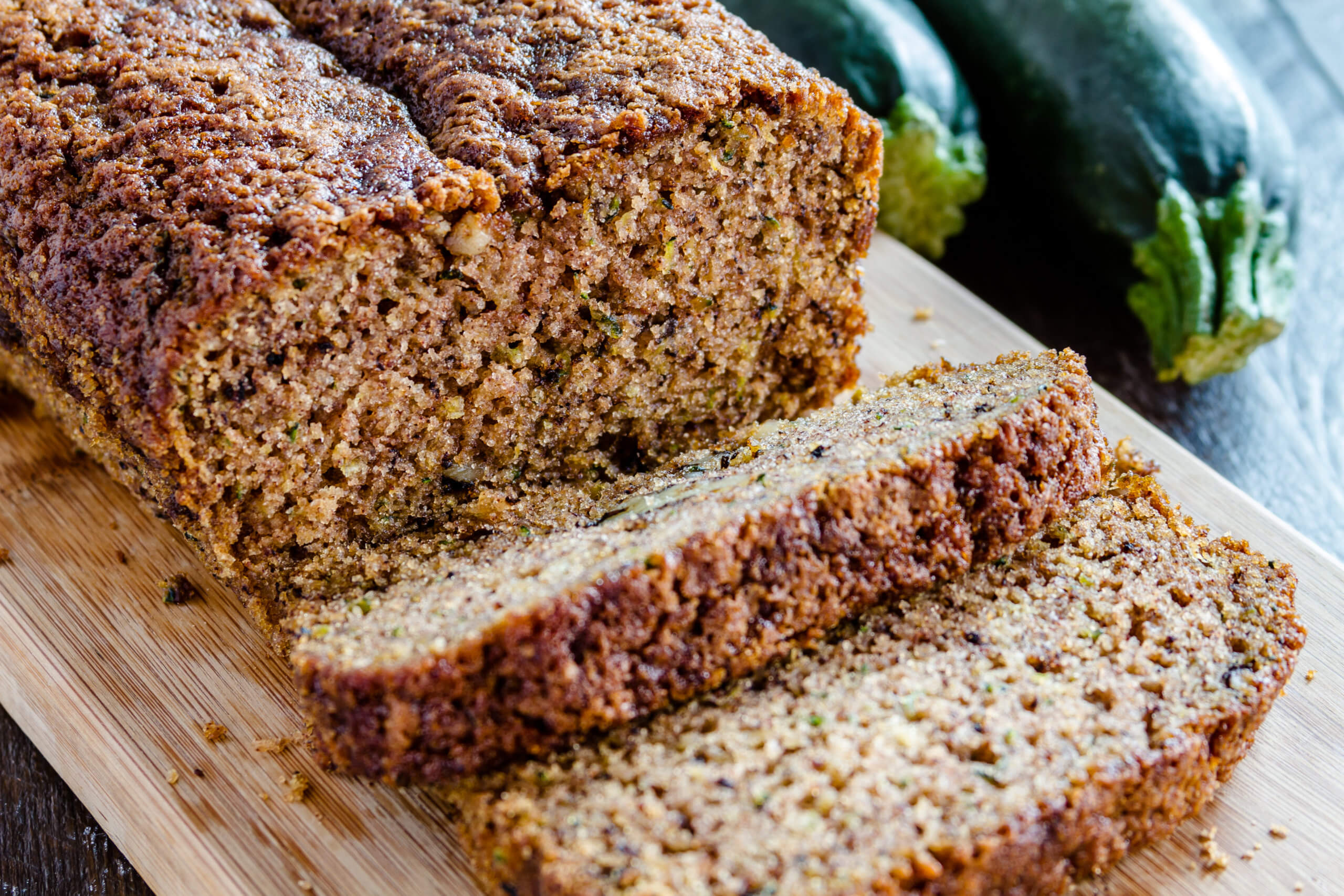
Ina Garten’s zucchini bread is one of the most searched recipes in American home baking and has been for years. The reason is simple: it works reliably, it produces a moist, spiced loaf that keeps well for days, and it solves the universal late-summer problem of too many zucchini from the garden. The Barefoot Contessa version adds walnuts and a generous amount of cinnamon and nutmeg, producing a loaf that sits somewhere between a quick bread and a spiced cake — substantial enough for breakfast, sweet enough for dessert.
Zucchini bread is an American invention but the zucchini itself is Italian, and the story of how a quintessentially Italian summer vegetable became the foundation of an American baking tradition is a small illustration of how food cultures migrate and transform across continents.
Zucchini and Its Italian Origins
Zucchini — courgette in French and British English — is a variety of Cucurbita pepo, a species of squash that originated in the Americas and was brought to Europe by Spanish explorers in the 16th century. The specific variety we know as zucchini was developed in northern Italy in the 19th century, most likely in the Milan and Turin region of Lombardy and Piedmont, and quickly became a staple of Italian summer cooking.
In Italy zucchini is treated entirely differently from its role in American quick breads. It is grilled on a plancha with olive oil and mint — a Roman preparation called zucchine alla scapece. It is stuffed with rice and herbs and baked. It is sliced paper-thin and eaten raw in salads with lemon and Parmigiano. The zucchini flowers — blossoms harvested before the fruit develops — are battered and fried in Rome as fiori di zucca, one of the most celebrated street foods of the city, or stuffed with ricotta and anchovies and baked.
Italian zucchini cooking treats the vegetable as something delicate, mild, and worth preserving in its simplicity. American zucchini bread treats it as a moisture delivery vehicle for a spiced batter — the zucchini essentially disappearing into the loaf, contributing texture and moisture without its flavor being perceptible in the finished product. Both approaches are valid. They reflect completely different culinary philosophies about what vegetables are for.
Traveling in Italy during summer means encountering zucchini in every form except baked into sweet bread. The mercato stalls in Rome’s Campo de’ Fiori in July are piled with zucchini and their flowers. The restaurant menus in Tuscany and Umbria feature zucchini preparations that change weekly as the summer progresses. Understanding the Italian relationship with the vegetable — delicate, direct, olive-oil-based — makes the American zucchini bread all the more interesting as a cultural transformation of the same ingredient.
Why This Recipe Works
Ina Garten’s zucchini bread succeeds because she does not reduce the fat or sugar in an attempt to make it healthier. The oil — she uses vegetable oil rather than butter — keeps the crumb moist for days after baking. The amount of cinnamon is generous enough to be present throughout the loaf rather than a background note. The walnuts add texture that plain zucchini bread lacks.
The critical technique is squeezing the moisture from the grated zucchini before adding it to the batter. Zucchini contains enormous amounts of water — a cup of grated zucchini can release several tablespoons of liquid when squeezed. Adding unsqueezed zucchini to a quick bread batter produces a wet, dense loaf that takes longer to bake and has a gummy center. Squeezed zucchini produces the proper texture.
The recipe makes two loaves. This is intentional and correct — one for now, one to freeze or give away. Zucchini bread freezes perfectly, wrapped tightly in plastic and then foil, for up to three months.
The Recipe
Ingredients (makes 2 loaves)
- 3 cups all-purpose flour
- 1 teaspoon baking powder
- 1 teaspoon baking soda
- 1 teaspoon kosher salt
- 1½ teaspoons ground cinnamon
- ½ teaspoon ground nutmeg
- ¼ teaspoon ground cloves
- 3 extra-large eggs, at room temperature
- 1¾ cups sugar
- 1 cup vegetable oil
- 1 teaspoon pure vanilla extract
- 2 cups grated zucchini, squeezed dry in a clean kitchen towel
- 1 cup toasted walnuts, roughly chopped
Instructions
Prepare. Preheat oven to 350°F. Grease two 8½ x 4½ inch loaf pans with butter or cooking spray. Line the bottoms with parchment paper.
Mix dry ingredients. Whisk together flour, baking powder, baking soda, salt, cinnamon, nutmeg, and cloves in a large bowl. Set aside.
Mix wet ingredients. In a separate large bowl whisk together the eggs, sugar, oil, and vanilla until well combined and slightly thickened, about 1 minute. The sugar should begin to dissolve into the oil.
Combine. Add the dry ingredients to the wet ingredients and stir with a rubber spatula until just combined — do not overmix. A few streaks of flour are acceptable at this stage. Fold in the squeezed zucchini and walnuts until evenly distributed. The batter will be thick.
Bake. Divide the batter evenly between the two prepared loaf pans. Bake for 55 to 65 minutes until a toothpick inserted in the center comes out clean and the top is deeply golden brown and cracked along the center. The crack down the middle is characteristic of quick breads and indicates proper rise.
Cool. Allow to cool in the pans for 10 minutes, then turn out onto a wire rack to cool completely. Do not slice while warm — the interior needs time to set and will be gummy if cut too soon. Cool for at least 1 hour before slicing.
Variations Worth Trying
Chocolate chip zucchini bread substitutes 1 cup of chocolate chips for the walnuts — a combination that is particularly good for children who are suspicious of visible nuts in their baked goods. The chocolate chips melt partially during baking and create pockets of chocolate throughout the loaf.
Lemon zucchini bread adds the zest of two lemons to the batter and replaces the cinnamon, nutmeg, and cloves with 1 teaspoon of vanilla and ½ teaspoon of almond extract. The result is brighter and less spiced, suited to summer eating with a cup of tea rather than the warming winter quality of the original.
For a more Italian approach to summer zucchini — closer to the source of the vegetable — try grilling thick zucchini slices with olive oil and finishing them with fresh mint, a squeeze of lemon, and a pinch of sea salt. The contrast with the American baking tradition using the same vegetable is instructive about how completely food cultures can transform the same ingredient.
Storing and Freezing
Wrapped tightly in plastic wrap, zucchini bread keeps at room temperature for 3 days. Refrigerated it keeps for up to a week, though the texture becomes slightly denser after refrigeration. Frozen — wrapped in plastic and then foil — it keeps for up to 3 months. Thaw overnight at room temperature and refresh in a 300°F oven for 10 minutes if desired.
For more Barefoot Contessa recipes see our Barefoot Contessa Chicken Meatballs and our Barefoot Contessa Chicken Piccata. For Italian travel and food see our complete Italy itinerary and our Florence food guide.
Ingredients
Method
- Heat oven to 350°F. Grease bottom only of 2 (8x4-inch) loaf pans; set aside.
- Combine flour, cinnamon, salt, baking soda, baking powder, cloves and nutmeg in bowl; set aside.
- Combine sugar, butter, eggs and vanilla in another bowl. Beat at medium speed, scraping bowl often, until smooth. Add flour mixture; beat at low speed until well mixed. (Mixture will be very thick.) Stir in zucchini and walnuts.
- Spread batter into prepared pans. Bake 55-65 minutes or until toothpick inserted in center comes out clean. Cool 10 minutes; remove from pans. Cool completely.