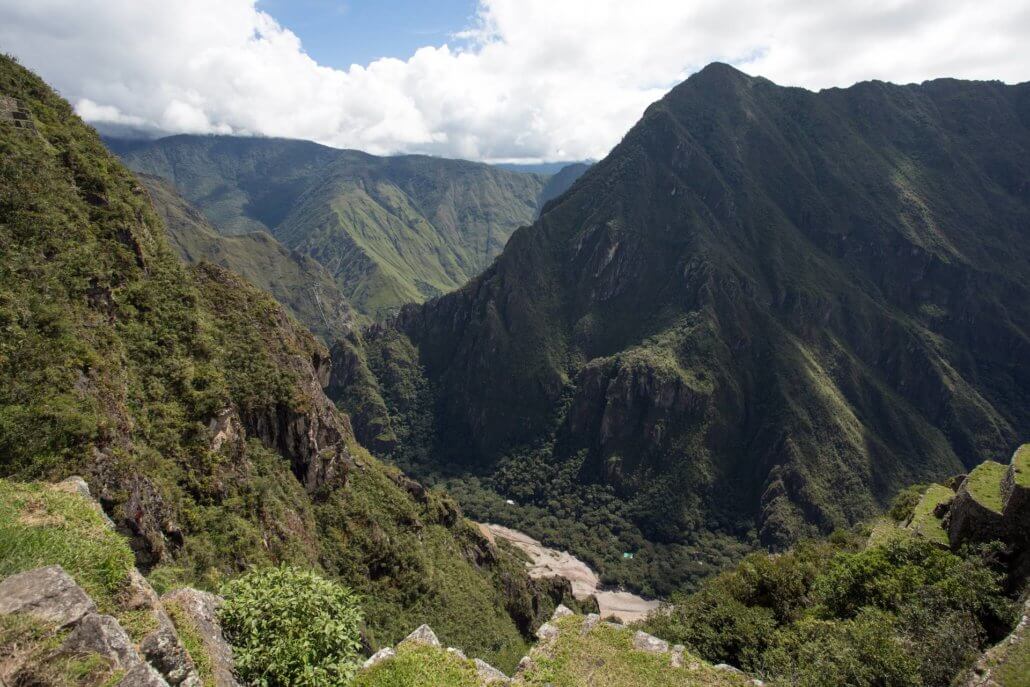
Machu Picchu is one of the most extraordinary places we have ever been — and one of the most logistically demanding to reach. The ruins do not have a road. There is no parking lot at the top of the mountain. Everything about visiting them — the train, the bus, the timed entry ticket, the altitude preparation, the choice of where to stay the night before — requires advance planning, and getting any piece of it wrong means either missing the site entirely or spending the experience stressed and underprepared in one of the most remarkable places on the planet.
We visited Machu Picchu as part of an organized tour through Best Peru Tours, starting and finishing in Lima with stops in Cusco and the Sacred Valley in between. We arrived at the ruins mid-morning, spent a full day exploring the site, and stayed one night in Aguas Calientes — the town at the base of the ruins — before returning to Cusco. This guide is built from that experience, combined with everything we wish we had known before we booked.
The short version: book everything months in advance, understand the altitude before you go, and give it more time than you think you need. The long version is below.
Why Booking Machu Picchu Is More Complex Than Most Destinations
Most tourist attractions have a straightforward booking process: buy a ticket, show up, go in. Machu Picchu has approximately five interdependent bookings that all need to work together, and failure at any one of them cascades through the rest. These are:
- The Machu Picchu entry ticket (the site itself, with a timed entry slot and a specific circuit)
- The train ticket from Cusco or Ollantaytambo to Aguas Calientes
- The bus ticket from Aguas Calientes up to the ruins gate
- Accommodation in Aguas Calientes (if staying overnight) or in Cusco or the Sacred Valley
- If adding Huayna Picchu or Machu Picchu Mountain: a separate additional ticket with its own quota
During peak season (June through August), Machu Picchu entry tickets sell out weeks or months in advance. The trains sell out independently. The bus is less of a constraint but still requires tickets. All of these need to be coordinated so that you arrive on the right day, at the right time, with all pieces in place. The booking process is entirely manageable with advance planning; it is genuinely difficult to pull together at short notice during peak season.
If the logistics feel overwhelming, booking through an organized tour operator like Best Peru Tours — which handles all of this coordination for you — is the most reliable solution for first-time visitors, and the one we chose. The value of a good Peru tour operator is precisely this: they have already solved the logistics problem so you don’t have to.
Step One: Book Your Entry Ticket First
The single most important action in planning a Machu Picchu visit is booking the entry ticket. Everything else — the train, the hotel, the bus — is secondary. If the entry ticket sells out before you book it, none of the other logistics matter.
Tickets are sold through the official Machu Picchu government website at machupicchu.gob.pe. This is the only legitimate official source; third-party resellers exist but charge significant premiums and occasionally sell fraudulent tickets. Use the official site.
The Circuit System
Machu Picchu now operates on a circuit system — you choose a specific route through the ruins when you buy your ticket, and entry is for a specific time slot (typically 6am, 7am, 8am, 10am, or later, depending on the circuit). The circuits cover different parts of the site:
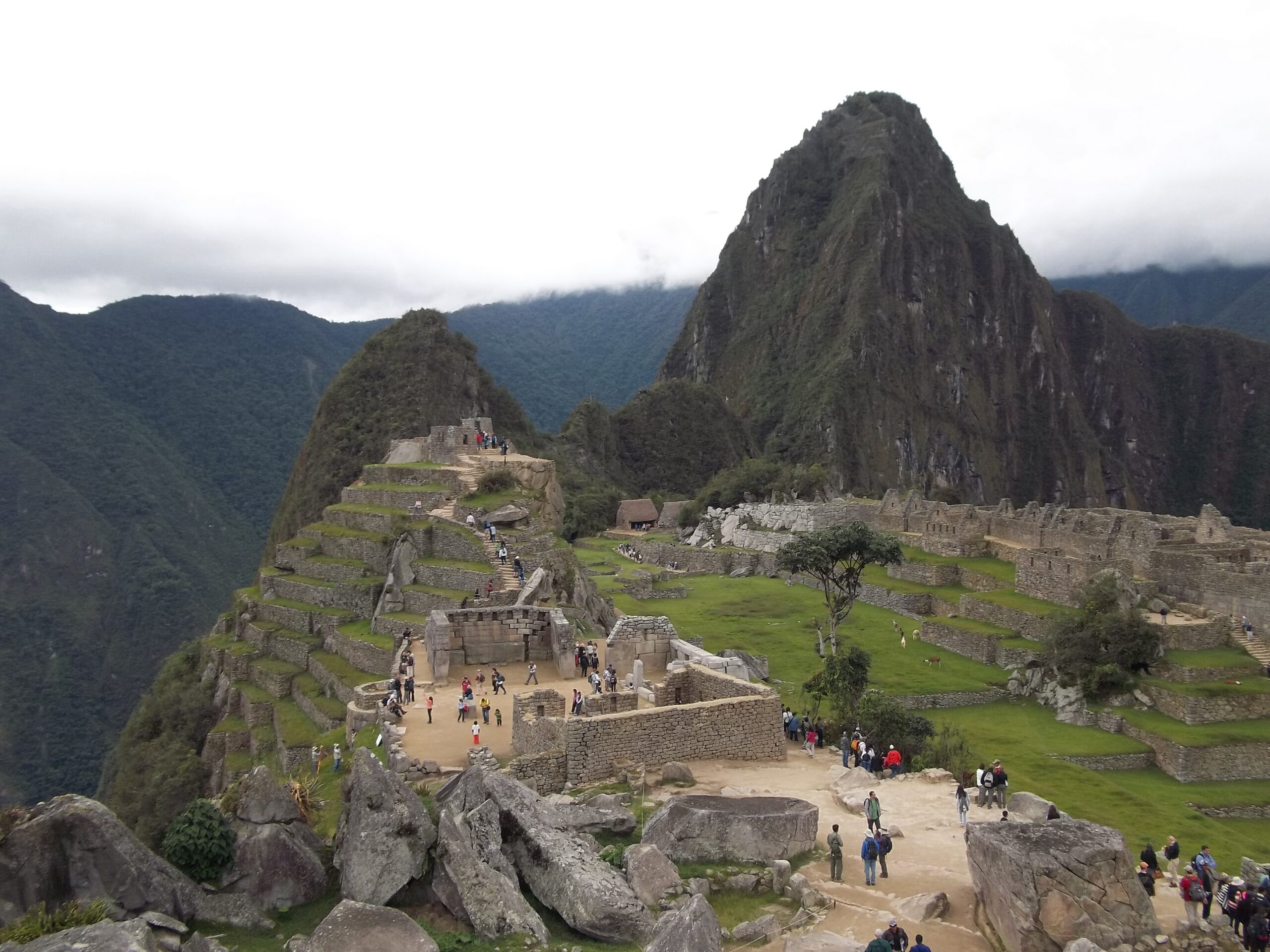
- Circuit 1: The classic high route — the panoramic terraces, the famous “postcard view” of the entire city with Huayna Picchu behind it, and the agricultural zone. Best for the overall perspective and the most photographed angle
- Circuit 2: The lower route through the urban sector — the Temple of the Sun, the Intihuatana Stone, the Three Windows, and the residential quarters. Best for the archaeological detail
- Circuit 3 and 4: The Sun Gate (Inti Punku) and the Inca Bridge routes — longer, more physically demanding, best for experienced hikers
For first-time visitors, Circuit 1 combined with Circuit 2 (available as a combined ticket) gives the most complete picture of the site. If you can only choose one, Circuit 1 gives the postcard view that most people associate with Machu Picchu.
When to Book
The honest answer is: as soon as your dates are confirmed. For June through August, tickets for the most popular entry slots (6am and 7am on Circuit 1) sell out three to four months in advance. For shoulder season (May, September, October), two months ahead is usually sufficient. For the rainy season (November through April), one month ahead is generally adequate — but there’s no cost to booking earlier, so do it immediately.
How Many Entry Tickets
The current quota allows entry for a set number of visitors per time slot. The Huayna Picchu mountain (the steep green peak behind the ruins in every photograph) and the Machu Picchu Mountain have separate, much more limited tickets. Huayna Picchu has approximately 400 spots per day across two time slots and sells out faster than the main ruins ticket. If climbing Huayna Picchu is a priority, book it simultaneously with the main ticket — they cannot be added later if the Huayna Picchu ticket sells out.
Step Two: Book the Train
There is no road to Machu Picchu. The only way to reach Aguas Calientes (the town at the base of the ruins, officially called Machu Picchu Pueblo) without trekking is by train along the Urubamba River through the Sacred Valley and into the cloud forest. Two operators run the service:
- Peru Rail (perurail.com) — the longer-established operator, with the Vistadome (panoramic windows) and the luxurious Hiram Bingham train as its main services
- Inca Rail (incarail.com) — a private operator with comparable quality at generally competitive prices
Trains depart from two main points: Ollantaytambo (in the Sacred Valley, reached by bus or taxi from Cusco — approximately 1.5 hours) and Poroy (Cusco’s train station, reached by taxi from the city). The Ollantaytambo departure is more commonly used because it adds the Sacred Valley to the journey and the trains tend to be less crowded at departure. Journey time from Ollantaytambo to Aguas Calientes is approximately 1.5 hours through increasingly spectacular cloud forest scenery.
We took the train from Ollantaytambo as part of our Sacred Valley day — having explored Pisac market and Ollantaytambo town during the day, we boarded the evening train to Aguas Calientes. Arriving in the late afternoon gave us time to walk the town, eat dinner, and get an early night before the morning visit to the ruins. This sequencing worked well.
Book train tickets on the Peru Rail or Inca Rail websites. Like the entry ticket, the earliest morning departures sell out first during peak season — book simultaneously with your Machu Picchu ticket.
Step Three: The Bus from Aguas Calientes to the Ruins
From Aguas Calientes, the ruins are accessible either on foot (a steep 400-meter climb taking 45 minutes to an hour on a switchback path through the cloud forest — strenuous but achievable for fit visitors) or by bus. The buses are operated by Consettur and depart from the main square in Aguas Calientes, running continuously from 5:30am to the late afternoon.
The bus journey takes approximately 25 minutes of switchback road through the forest, arriving at the Machu Picchu bus terminal just below the entrance gate. Tickets are available from the Consettur office in Aguas Calientes (on the main square) or online in advance. They are not expensive but lines for tickets can be significant in the early morning rush — buy them the evening before your visit.
We took the bus. Given that we had walked extensively the previous day in the Sacred Valley and had a full day of ruins ahead of us, preserving energy for the site itself rather than the approach was the right call. If you’re fit and the weather is good, the walk up is beautiful — but arrive at Aguas Calientes in time to do it if that’s your plan, as you need to leave by 5am to walk and reach the gate by opening.
The Altitude Question — The Most Underestimated Factor

Machu Picchu sits at 2,430 meters (7,972 feet). Cusco, where most visitors spend the nights before their Machu Picchu visit, is at 3,400 meters (11,154 feet). Aguas Calientes is at 2,040 meters — lower than both.
The conventional wisdom is that Machu Picchu is easier than Cusco because it’s lower, which is true. But the altitude is still significant for visitors arriving from sea level, and the days in Cusco before the ruins visit are where altitude management matters most. We spent two days in Cusco before heading to Machu Picchu, and the altitude was the single most physically challenging aspect of the trip — not the ruins themselves.
Our practical altitude protocol: arrive in Lima first (sea level), spend two to three days there eating extraordinarily well and acclimatizing mentally before flying to Cusco. On arrival in Cusco, check in and rest — genuinely rest, not light sightseeing. Accept the coca tea your hotel will offer. Drink water constantly. Eat lightly on day one. We found that by day two in Cusco we were largely functional; by day three, normal.
The Belmond Hotel Monasterio in Cusco — where we stayed — has an oxygen enrichment system installed in the rooms, which is a genuine and noticeable advantage on the first altitude night. If your budget allows it, it’s worth the premium specifically for this reason.
The altitude medication question: Acetazolamide (Diamox) is prescribed by some doctors for altitude sickness prevention. If you’re considering it, consult your doctor before traveling — it has side effects and is not appropriate for everyone. Many visitors manage Cusco’s altitude without medication with the rest-and-hydrate protocol described above.
Our Itinerary: Lima → Cusco → Sacred Valley → Machu Picchu → Lima

We organized our visit through Best Peru Tours, which handled all bookings and logistics. The structure of our trip:
Days 1–2: Lima. Arrival, Miraflores orientation, dinner at La Mar (the finest ceviche in South America), the Larco Museum. Lima is a genuinely extraordinary food city — don’t treat it as a transit stop. Two full days here did exactly what they were supposed to do: gave us sea-level time before the altitude and let us eat some of the best food we’d have on the entire trip.
Days 3–5: Cusco. Day 3 was altitude day — arrival, coca tea, rest, a gentle walk around the Plaza de Armas in the late afternoon. By day 4 we were ready to explore: the Inca walls of Hatunrumiyoc Street (the famous 12-angled stone), Qorikancha, the Cathedral. Day 5 was Sacsayhuamán — the enormous Inca fortress on the hill above the city — and an afternoon in the San Blas neighborhood.
Day 6: Sacred Valley. Our tour organized a full day in the Sacred Valley — Pisac market in the morning (the non-tourist section at the back is the real market), the Pisac ruins, lunch in Urubamba, and Ollantaytambo in the afternoon. The Ollantaytambo ruins — a massive, partially completed Inca temple with extraordinary terraced walls — are among the finest Inca sites outside Machu Picchu itself. We boarded the evening train from Ollantaytambo to Aguas Calientes and arrived in time for dinner.
Day 7: Machu Picchu. Up early. Bus from the main square at 7:30am, arriving at the gate by 8am. We had Circuit 1 and Circuit 2 tickets for a 8am entry slot — mid-morning, which meant the dawn mist had largely cleared but the light was still beautiful. We spent four hours inside the site, took our time at the postcard viewpoint (standing there watching the clouds move across the ruins and the Huayna Picchu pyramid behind them is one of those travel moments that goes into long-term memory), and ate lunch back in Aguas Calientes before the afternoon train back to Cusco.
Day 8: Return. Train from Aguas Calientes to Ollantaytambo, bus to Cusco, flight back to Lima, international departure.
What We Would Do Differently
The mid-morning arrival was fine — we saw the site well and in good light. But having now read extensively about the dawn experience (the 6am entry, the site in morning mist before the tourist buses arrive), we would take the earlier slot if we went again. The difference between the dawn Machu Picchu and the mid-morning one isn’t just aesthetic — it’s the difference between an ancient place and a crowded tourist attraction. Both are worth experiencing, but the dawn version is the one that stays with you differently.
We would also add a full second day. Four hours at Machu Picchu is enough to see everything; it is not enough to let the scale of the place settle. The ruins reward slow engagement, not a tick-box circuit. If we went back, we would book two entry days — Circuit 1 and Circuit 2 on consecutive mornings — and stay two nights in Aguas Calientes.
Using a Tour Operator vs. Booking Independently
We used Best Peru Tours and found the experience excellent — all bookings handled, transfers organized, guides provided at each site, and the general relief of not having to solve the Machu Picchu logistics puzzle independently during peak season in a country where our Spanish was limited.
The case for independent booking: it’s cheaper, more flexible, and entirely possible with the planning described above. The official booking websites work in English; the trains are bookable online; and the logistics, while complex, are not beyond a reasonably organized traveler who starts early.
The case for a tour operator: Peru’s logistics are genuinely complex — altitude, train availability, changing entry ticket systems, and the coordination of multiple bookings across multiple systems are all easier to manage when someone who does this professionally handles them. For first-time visitors to Peru, particularly those combining Lima, Cusco, the Sacred Valley, and Machu Picchu in a single trip, an organized tour removes a significant planning burden and reduces the risk of any single piece falling through.
Our honest assessment: if this is your only trip to Peru and you want to focus on experiencing rather than planning, a reputable organized tour is worth the premium. If you’re confident with complex trip logistics and have time to plan carefully several months in advance, independent booking is entirely achievable.
The Practical Checklist

Everything you need to have in place before you leave home:
- Machu Picchu entry ticket — official site machupicchu.gob.pe; choose circuit and time slot; book immediately when dates confirmed
- Huayna Picchu or Machu Picchu Mountain ticket (if desired) — book simultaneously; 400 spots per day, sells out fastest
- Train tickets — perurail.com or incarail.com; morning departures sell out first in peak season
- Aguas Calientes accommodation — if staying overnight, book as soon as train is confirmed
- Bus tickets — available from Consettur office in Aguas Calientes; buy evening before the visit
- Cusco accommodation — ideally a hotel with oxygen available in rooms; Belmond Hotel Monasterio is the outstanding choice
- Lima flights and accommodation — arrive in Lima first for altitude acclimatization; two days minimum
- Travel insurance — check coverage for high altitude activities and potential medical evacuation from remote areas
Is Machu Picchu Worth It?
We are asked this question occasionally by people who are weighing the cost, the logistics, and the effort against other destinations they could visit instead. The answer is straightforward: yes, categorically, without reservation.
Machu Picchu is one of those rare places in the world that exceeds expectation rather than merely meeting it. The photographs give you the shape; the reality gives you the scale, the silence, the age, and the inexplicable fact of an entire city built here, at this altitude, by people without metal tools or wheeled carts, six hundred years ago. Standing inside it changes your sense of what civilization means and what human beings are capable of. That is a specific and irreplaceable experience that no photograph conveys and no description captures completely.
Book early, prepare for the altitude, arrive in the morning, and give it the time it deserves. You will not regret a single logistical headache it took to get there.
We visited Machu Picchu as part of an organized Peru tour with Best Peru Tours. For our full coverage of Peru, see our guides to Lima, Cusco, and Machu Picchu.