Tokyo has more Michelin-starred restaurants than any other city in the world — more than Paris, more than New York, more than London. It also has more excellent cheap food than any other city in the world. These two facts coexist without contradiction because Tokyo’s food culture treats quality as non-negotiable regardless of price point. The ramen shop that charges 900 yen for a bowl has been perfecting that bowl for thirty years with the same seriousness that a three-star restaurant applies to its tasting menu. The sushi counter serving omakase for 40,000 yen per person and the standing sushi bar serving individual pieces for 200 yen each operate from the same fundamental philosophy: the ingredient is paramount, the technique serves the ingredient, nothing is acceptable that is less than excellent.
This guide covers what to eat in Tokyo across every category and every price point, from the foods that require no booking and cost almost nothing to the experiences that require planning months in advance and considerable budget. Both are worth doing and both are expressions of the same extraordinary food culture.
Ramen
Ramen is the food most travelers eat first in Tokyo and often the food they remember most vividly. The version familiar outside Japan — packets of instant noodles in flavored broth — has almost no relationship with the dish as it exists in Tokyo’s ramen shops. A bowl of Tokyo shoyu ramen — soy sauce-based broth made from chicken and dashi, with thin wheat noodles, a slice of chashu pork, a marinated soft-boiled egg, nori, and green onion — is one of the most carefully constructed dishes in Japanese cooking. Every element has been optimized over years. The broth takes all day. The egg marinates for hours. The chashu is braised and then seared. Nothing is incidental.
Tokyo’s ramen landscape is so varied that entire guidebooks exist to navigate it. The major regional styles represented in the city include shoyu (soy sauce), shio (salt), miso, and tonkotsu (pork bone). Ichiran in Shibuya — the chain famous for its single-person booths where you eat facing a bamboo curtain, ordering on a paper form, communicating with kitchen staff through a small window — is the most distinctive ramen experience for first-time visitors. Fuunji in Shinjuku serves tsukemen — thick noodles served separately from concentrated dipping broth — that is considered among the best in the city.
Sushi
Tokyo is the world capital of sushi and the range available — from standing bars charging 200 yen per piece to omakase counters charging the equivalent of several hundred dollars — makes it the best place in the world to understand what sushi actually is at every level of the form.
Tsukiji Outer Market — the remaining retail and restaurant section of the famous fish market after the wholesale operations moved to Toyosu — is the most accessible entry point to Tokyo sushi culture. The small sushi restaurants and standing bars around Tsukiji serve fish purchased from the market that morning, prepared simply, at prices that are reasonable by any measure. Eating tuna nigiri at a counter inside Tsukiji Outer Market at nine in the morning is one of the genuine Tokyo food experiences that should appear on every itinerary.
For the other end of the spectrum, the omakase counters of Ginza and Roppongi — where the chef selects every piece based on the day’s best fish and serves it directly across a cypress counter — represent sushi at its most refined. Booking requires planning weeks or months ahead. The experience is unlike any other in food.
Tempura
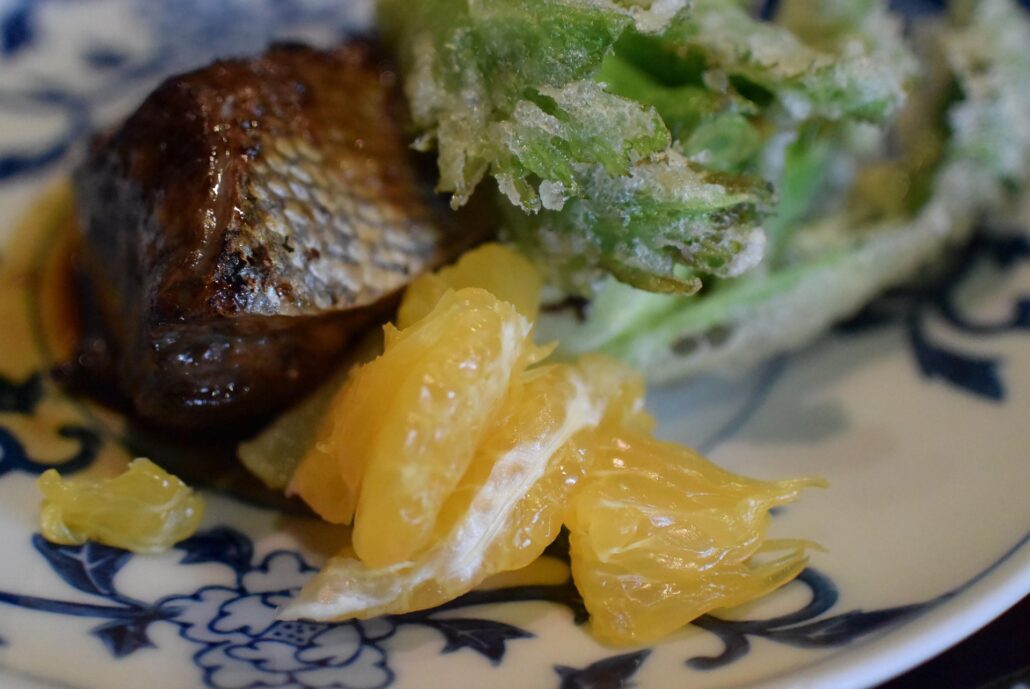
Tempura — seafood and vegetables coated in a gossamer-thin batter and fried in refined sesame oil — is one of Tokyo’s most important dishes and one that requires a specialist restaurant to fully appreciate. The batter must be mixed as little as possible — lumpy, barely combined — and the oil temperature must be precise for different ingredients. The result, when done correctly, is a coating that is so light it seems to float around the ingredient rather than adhere to it, with a crunch that dissolves almost immediately in the mouth.
Kondo in Ginza — considered one of the finest tempura restaurants in Japan — serves tempura vegetables from a dedicated Kondo farm alongside the standard seafood preparations. The sweet potato tempura that chef Fumio Kondo has been perfecting for decades is sometimes cited as the single best thing to eat in Tokyo by food writers who have eaten everything the city offers.
Yakitori
Yakitori — skewered chicken grilled over binchotan charcoal — is Tokyo’s most social food, the thing eaten at standing counters and small alley restaurants after work with cold beer. Every part of the chicken appears on yakitori skewers: breast, thigh, skin, liver, heart, gizzard, oyster, neck. The quality of a yakitori restaurant is judged partly by how many parts of the chicken it uses and how well it treats each one.
The alleyways beneath the Yurakucho train tracks — a cluster of small restaurants and bars that have operated in the same smoky, atmospheric space since the postwar period — are the best place in Tokyo to eat yakitori at the price point and in the atmosphere for which it was designed. Arriving at six in the evening, finding a counter seat, ordering through the menu systematically, and drinking cold Sapporo for two hours is one of the great Tokyo evenings.
Izakaya
The izakaya — Japan’s version of a gastropub, serving small dishes alongside beer, sake, and shochu — is the format through which Tokyo residents eat most of their evening meals. The food ranges from simple bar snacks to elaborate small plates; the atmosphere ranges from casual standing bars to elaborate multi-floor establishments with private rooms.
Shinjuku’s Golden Gai — a warren of tiny bars and restaurants in an alley complex that survived postwar redevelopment and has been serving customers since the 1950s — is the most atmospheric izakaya district in Tokyo. The bars seat eight to ten people maximum. The owner is usually the cook, the bartender, and the sommelier. The food is simple and good. The experience is unrepeatable anywhere else in the world.
Conveyor Belt Sushi
Kaiten-zushi — conveyor belt sushi — deserves serious attention rather than the slight condescension it sometimes receives from food purists. The best kaiten-zushi operations in Tokyo use high-quality fish on their rotating belts and serve it at prices that make sushi accessible to anyone. Uobei in Shibuya uses a tablet ordering system where the sushi is delivered to your table by a miniature train rather than a belt — a combination of excellent sushi and extraordinary logistics theater that is genuinely delightful.
Convenience Store Food
Japanese convenience stores — 7-Eleven, FamilyMart, Lawson — are a food destination in their own right and one of the more unexpected genuinely good eating experiences available to Tokyo visitors. The onigiri — rice balls filled with tuna mayo, pickled plum, salmon, or dozens of other fillings — are better than the sandwiches at most Western airports. The hot foods section serves karaage chicken, steamed buns, and American-style corn dogs at three in the morning with complete equanimity. The chilled desserts — puddings, parfaits, cream puffs — are made with genuine skill and sell for under two dollars.
Eating a tuna mayo onigiri on a Tokyo street corner at midnight after a long evening is not a compromise. It is a specific, legitimate Tokyo food experience that belongs on every itinerary alongside the Michelin stars.
Practical Tokyo Food Advice
Cash is still required at many Tokyo restaurants — not all, but enough that carrying yen is essential. Google Maps is the most reliable Tokyo restaurant navigation tool — reviews, hours, photos, and location accuracy are all excellent. Queuing is normal and indicates quality — if there is a line outside a ramen shop at lunch, the correct response is to join it. Pointing at menu photographs or plastic food models outside restaurants is universally accepted and produces correct orders. Tipping is not done in Japan — it is considered rude rather than generous.
For everything you need to plan a Tokyo and Japan trip see our complete Japan itinerary. For the best tour operators for Japan see our Japan tour operators guide. For more Asian food travel see our Mulligatawny Soup and its Indian origins.