Anthony Bourdain had a complicated relationship with French food. He trained in French kitchens, spent the formative years of his cooking career executing classical French technique, and then spent much of the rest of his public life pushing back against French cuisine’s dominance of the culinary world — arguing for the legitimacy of street food, for the genius of Vietnamese pho and Singaporean hawker stalls and Mexican tacos al pastor. And yet. When Bourdain wrote about boeuf bourguignon, about the specific version he had eaten in Burgundy and the one his mentor taught him to make, he wrote about it with the reverence of someone who knows they are in the presence of something that cannot be improved.
Boeuf bourguignon is the dish that reminded Bourdain why French cooking matters. It can do the same for you.
Burgundy and the Wine That Makes the Dish
Boeuf bourguignon takes its name from Burgundy — Bourgogne in French — the region in eastern France that produces Pinot Noir and Chardonnay of a quality that has defined the world’s understanding of what wine can be. The dish is inseparable from the region because the wine is not just an ingredient. It is the point. A boeuf bourguignon made with a decent Burgundy red tastes fundamentally different from the same dish made with any other wine, and Burgundians will tell you this with the gentle certainty of people who have been making the same point for several centuries.
The Côte d’Or — the golden slope that runs from Dijon south to Santenay — is one of the most valuable agricultural strips of land in the world. The villages along it read like a wine list at a three-star restaurant: Gevrey-Chambertin, Morey-Saint-Denis, Chambolle-Musigny, Vosne-Romanée, Nuits-Saint-Georges. Each produces Pinot Noir of distinct character from soil that is barely different to the eye but produces wines that sommeliers can identify blindfolded.
You do not need a Gevrey-Chambertin premier cru to make boeuf bourguignon. You need a decent Burgundy or a good Pinot Noir — something you would be happy to drink, because cooking concentrates flavor and a wine that tastes thin and acidic in the glass will taste thin and acidic in the braise. The standard guidance applies: cook with wine you would drink. In this case it is also guidance that honors the dish’s origins.
Traveling through Burgundy — the route between Dijon and Lyon, stopping in the wine villages, eating in the small restaurants that serve the food the region has been cooking for centuries — is one of the great underpublicized French travel experiences. The tourists go to Paris and the Loire Valley and Provence. Burgundy draws a different traveler: someone who comes specifically for the wine, who wants to eat properly, who does not need a lavender field or a beach. The region rewards that traveler enormously.
What Bourdain Got Right
Bourdain’s approach to boeuf bourguignon followed the Julia Child blueprint — which is the correct blueprint, as Child’s version in Mastering the Art of French Cooking remains the most thorough and reliable guide to the dish in English — with a few specific emphases that reflect his professional kitchen background.
The most important is the sear. Bourdain was emphatic about dry, hot, unrushed searing of the beef — getting genuine Maillard browning on every surface of every piece before it goes into the braise. Most home cooks do this wrong in one of two ways: they crowd the pan, which causes the meat to steam rather than sear, or they rush it, pulling the beef before it has developed the deep mahogany crust that is the foundation of the dish’s flavor. Bourdain’s instruction was to work in small batches in a very hot pan with very little oil and to leave the meat completely alone for several minutes per side. This is correct.
The second is the wine reduction. Before adding stock and returning the beef to the pot, Bourdain reduced the wine with the aromatics until it was thick and syrupy — cooking off the alcohol and concentrating the fruit. This step adds depth that simply pouring wine over braising beef does not achieve.
The Recipe
Ingredients (serves 6)
- 3 lbs beef chuck, cut into 2-inch cubes, dried thoroughly with paper towels
- 1 bottle (750ml) Burgundy or good Pinot Noir
- 6 oz lardons or thick-cut bacon, cut into small pieces
- 2 tablespoons vegetable oil
- 1 large onion, roughly chopped
- 2 large carrots, roughly chopped
- 4 cloves garlic, smashed
- 2 tablespoons tomato paste
- 2 cups beef stock
- 1 bouquet garni (bay leaves, thyme, parsley stems tied together)
- Salt and black pepper
For the garnish:
- 1 lb cremini or button mushrooms, quartered
- 1 lb pearl onions, peeled (frozen is fine)
- 3 tablespoons unsalted butter, divided
- 1 teaspoon sugar
- Fresh flat-leaf parsley, roughly chopped
Instructions
Marinate (optional but recommended). The night before, combine the beef, wine, roughly chopped onion, carrots, and garlic in a large bowl. Cover and refrigerate overnight. The next day, remove the beef and pat completely dry. Reserve the wine and vegetables separately.
Render the lardons. In a large Dutch oven over medium heat, cook the lardons until the fat has rendered and they are lightly golden. Remove with a slotted spoon and set aside, leaving the fat in the pot.
Sear the beef. Increase heat to high. Add the vegetable oil to the lardon fat. Working in small batches — no more than a single layer — sear the beef on all sides until deeply browned, about 3 to 4 minutes per side. Do not move the beef while it is searing. Do not crowd the pan. Remove each batch and set aside. This step takes patience and multiple batches. It is the most important step in the recipe.
Cook the aromatics. Reduce heat to medium. Add the marinated vegetables (or fresh onion, carrot, and garlic if not marinating) to the pot and cook until softened and lightly colored, about 8 minutes. Add the tomato paste and stir to coat, cooking for 2 minutes.
Reduce the wine. Pour in the reserved marinade wine (or the full bottle if not marinating). Bring to a boil and cook until reduced by half, about 15 minutes. This step is not to be skipped.
Braise. Return the beef and lardons to the pot. Add the stock and bouquet garni. The liquid should come about two-thirds up the beef — add more stock if needed. Bring to a simmer, then cover and cook in a 325°F oven for 2½ to 3 hours until the beef is completely tender and yielding when pressed with a spoon. Check occasionally and add water if the liquid level drops below the meat.
Prepare the garnish. In a skillet, melt 2 tablespoons butter over medium-high heat. Add the pearl onions, sprinkle with sugar and salt, and cook until golden and glazed, about 10 minutes. Remove. In the same pan, melt the remaining butter over high heat and sauté the mushrooms until golden brown, about 5 minutes. Season with salt and pepper.
Finish the sauce. Remove the beef from the braising liquid. Strain the liquid into a saucepan and reduce over high heat until it coats the back of a spoon — this concentrates the flavors and removes excess fat. Return the beef to the Dutch oven with the mushrooms and pearl onions. Pour the reduced sauce over everything. Simmer together for 10 minutes.
Serve over buttered egg noodles, mashed potatoes, or crusty bread. Top with fresh parsley. The dish improves significantly if made a day ahead and reheated — the flavors integrate and the sauce deepens overnight.
Eating in Burgundy
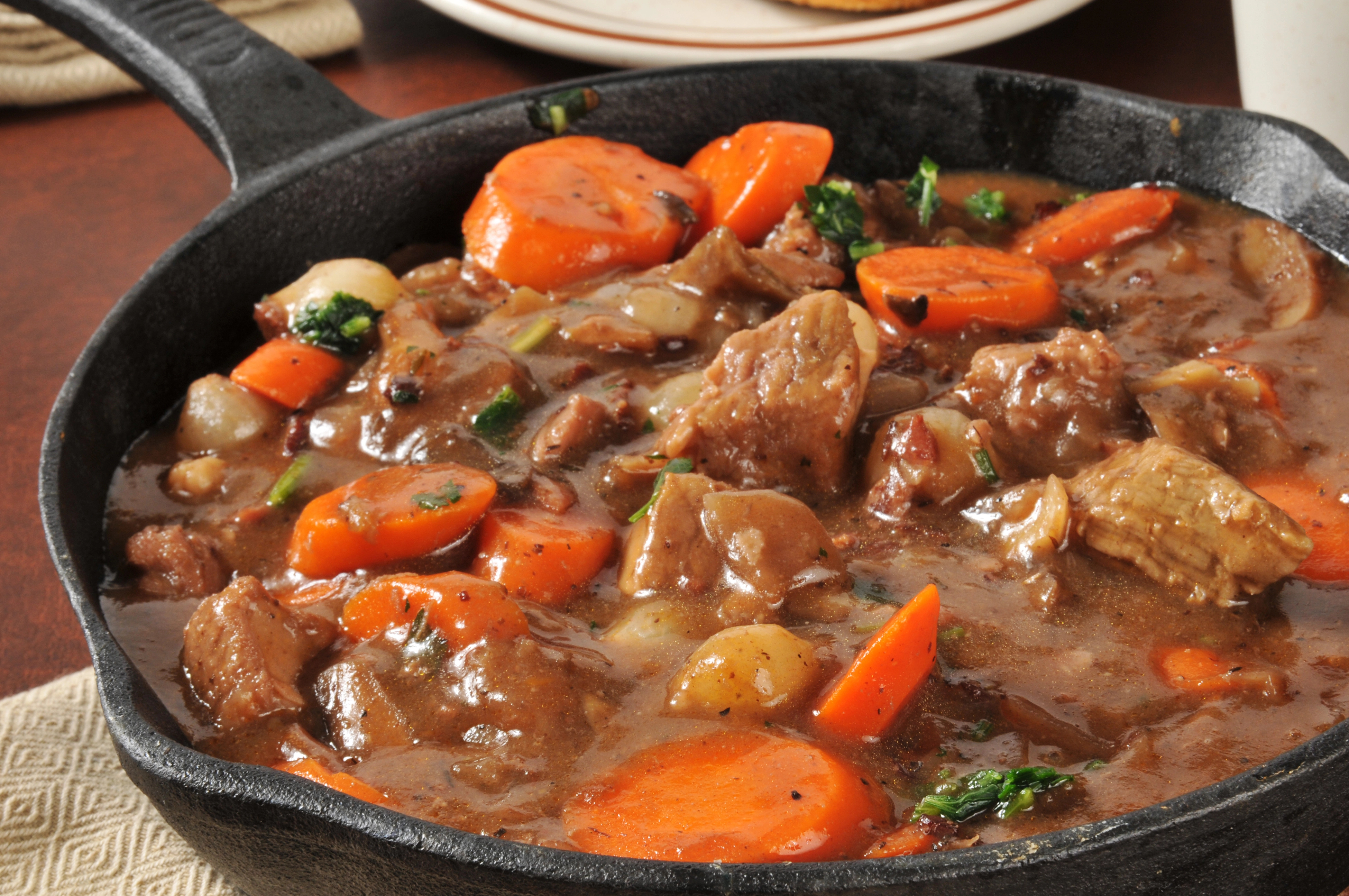
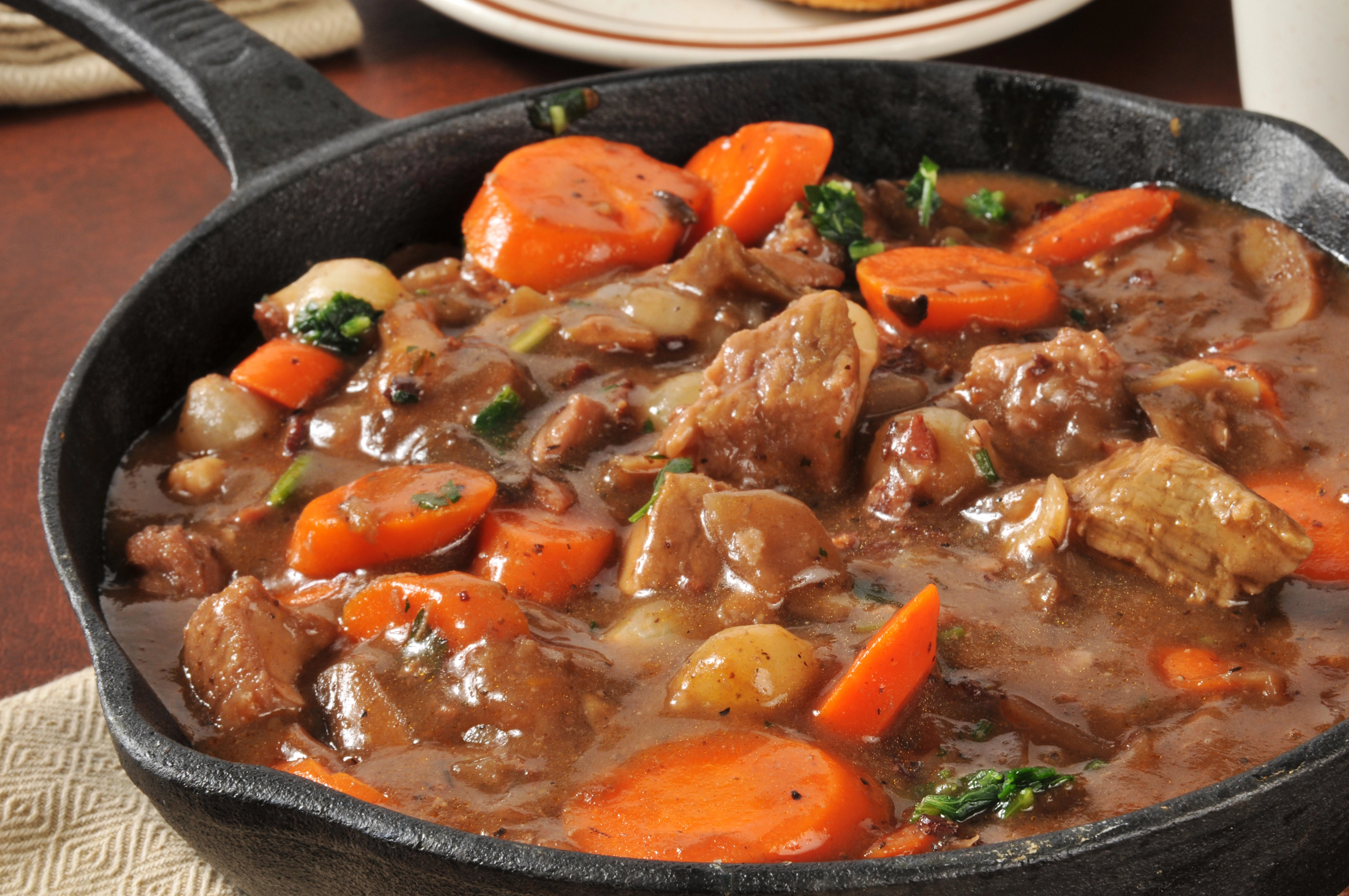
The best boeuf bourguignon we have eaten was in a small restaurant in Beaune — the wine town at the center of the Côte d’Or that every serious Burgundy traveler uses as a base. The restaurant had about eight tables, a handwritten menu that changed daily, and a wine list that was essentially the surrounding countryside in bottle form. The boeuf bourguignon arrived in a small cast iron pot, the sauce almost black with reduction, the beef falling apart at the touch of a fork. We had a half bottle of Gevrey-Chambertin with it that cost more than the food and was worth every euro.
Beaune is the right place to understand why French regional cuisine exists in the first place — why the food of Burgundy tastes like Burgundy, why you cannot fully separate what is on the plate from what is in the glass from where you are sitting when you eat it. The boeuf bourguignon made sense in a way it never quite does at home, because at home you are missing the wine from down the road and the chill of a Burgundy evening in October and the particular satisfaction of being exactly where the food comes from.
That is worth traveling for. The recipe is worth making at home in the meantime.
For everything you need to plan a trip through France including Burgundy see our complete France itinerary. For more on French wine regions see our Bordeaux wine guide and our Champagne guide. For more classic French recipes see our Croque Monsieur and our Julia Child Steak au Poivre.
Ingredients
Method
- Marinate (optional but recommended). The night before, combine the beef, wine, roughly chopped onion, carrots, and garlic in a large bowl. Cover and refrigerate overnight. The next day, remove the beef and pat completely dry. Reserve the wine and vegetables separately.
- Render the lardons. In a large Dutch oven over medium heat, cook the lardons until the fat has rendered and they are lightly golden. Remove with a slotted spoon and set aside, leaving the fat in the pot.
- Sear the beef. Increase heat to high. Add the vegetable oil to the lardon fat. Working in small batches — no more than a single layer — sear the beef on all sides until deeply browned, about 3 to 4 minutes per side. Do not move the beef while it is searing. Do not crowd the pan. Remove each batch and set aside. This step takes patience and multiple batches. It is the most important step in the recipe.
- Cook the aromatics. Reduce heat to medium. Add the marinated vegetables (or fresh onion, carrot, and garlic if not marinating) to the pot and cook until softened and lightly colored, about 8 minutes. Add the tomato paste and stir to coat, cooking for 2 minutes.
- Reduce the wine. Pour in the reserved marinade wine (or the full bottle if not marinating). Bring to a boil and cook until reduced by half, about 15 minutes. This step is not to be skipped.
- Braise. Return the beef and lardons to the pot. Add the stock and bouquet garni. The liquid should come about two-thirds up the beef — add more stock if needed. Bring to a simmer, then cover and cook in a 325°F oven for 2½ to 3 hours until the beef is completely tender and yielding when pressed with a spoon. Check occasionally and add water if the liquid level drops below the meat.
- Prepare the garnish. In a skillet, melt 2 tablespoons butter over medium-high heat. Add the pearl onions, sprinkle with sugar and salt, and cook until golden and glazed, about 10 minutes. Remove. In the same pan, melt the remaining butter over high heat and sauté the mushrooms until golden brown, about 5 minutes. Season with salt and pepper.
- Finish the sauce. Remove the beef from the braising liquid. Strain the liquid into a saucepan and reduce over high heat until it coats the back of a spoon — this concentrates the flavors and removes excess fat. Return the beef to the Dutch oven with the mushrooms and pearl onions. Pour the reduced sauce over everything. Simmer together for 10 minutes.
- Serve over buttered egg noodles, mashed potatoes, or crusty bread. Top with fresh parsley. The dish improves significantly if made a day ahead and reheated — the flavors integrate and the sauce deepens overnight.