Mexico City has one of the greatest street food cultures on earth. The city’s taco stands, market stalls, tlayuda carts, tamale vendors, and elote sellers operate at a level of craft and consistency that puts most sit-down restaurants in other cities to shame. Eating on the street in Mexico City is not a budget compromise — it is the correct way to eat here, and many of the best meals you will have in this city will cost less than €3 and be served on a paper plate.
The challenge for a first-time visitor is navigating a food landscape of extraordinary depth without a framework. What is a tlayuda? What distinguishes a good taco al pastor from a mediocre one? Which markets are worth building your day around versus which are primarily tourist infrastructure? This guide answers those questions and points you toward the specific foods and places that make Mexico City’s street food scene one of the world’s great culinary experiences.
Tacos: The Foundation
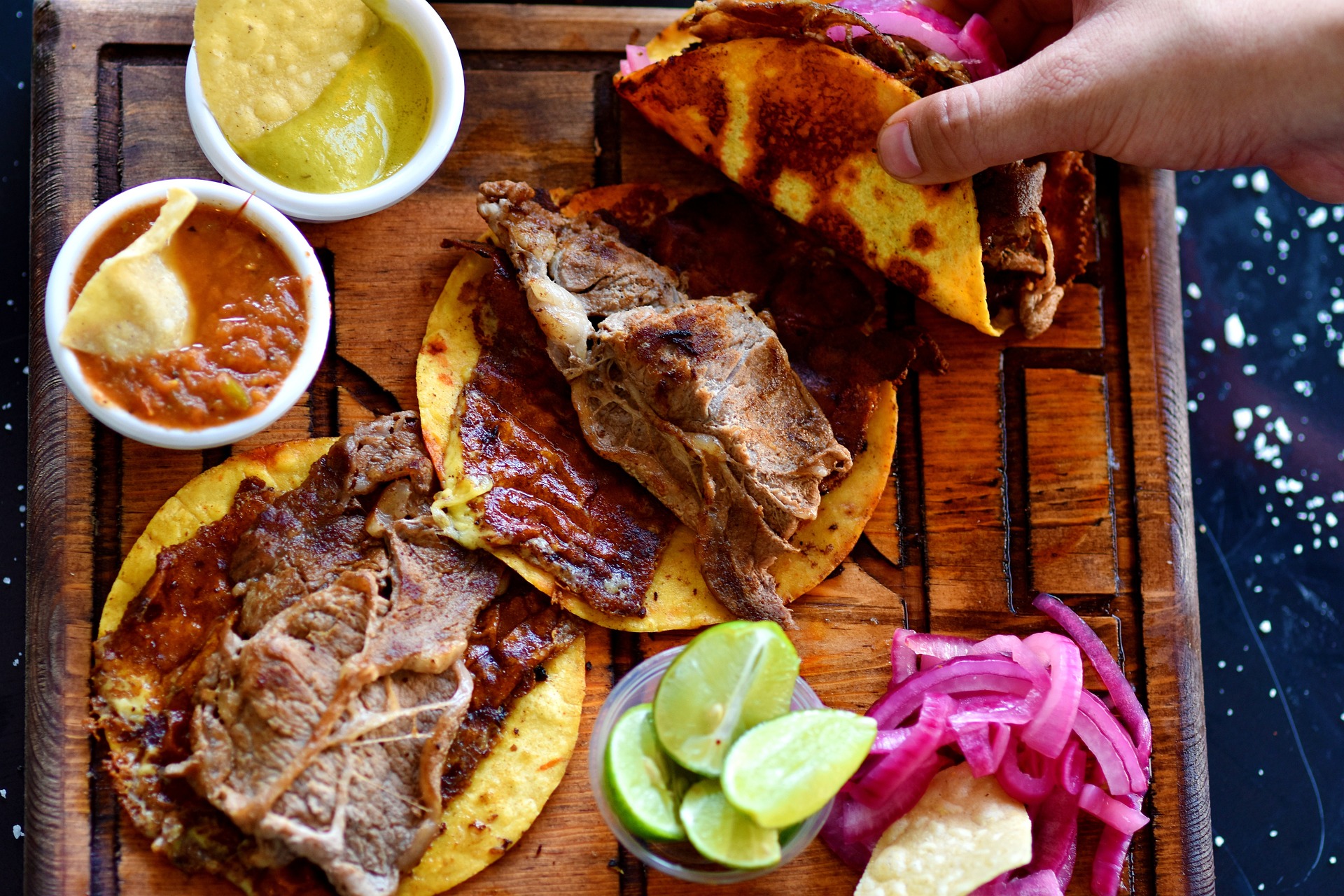
Mexico City’s taco culture is specific and proud. The tacos here are smaller than what much of the world calls a taco, built on handmade corn tortillas, and filled with a relatively small amount of meat or vegetables — the balance between tortilla and filling is more even than in the large-format tacos made for export. A proper Mexico City taco is eaten in two or three bites. You eat several.
Tacos al Pastor
Mexico City’s defining taco — pork marinated in dried chiles (guajillo, ancho), achiote, and spices, stacked on a vertical spit (trompo) alongside a whole pineapple, and shaved to order with a long knife. The shaving technique, which brings the outer crust and some pineapple down together onto the tortilla, is a performance as much as a technique. The result — crispy-edged pork with the caramelized sweetness of pineapple, on a warm corn tortilla with onion, cilantro, and salsa — is one of the great street foods of the world.
Good tacos al pastor require a busy trompo: the spit needs constant customers to ensure the meat is always being shaved from a freshly cooked outer layer. A slow trompo produces dry, overcooked meat. The best tacos al pastor in Mexico City are found at the busiest taquerías — particularly in the Roma, Condesa, and Centro Histórico neighborhoods — where the trompo is running from lunch through late night and the shaver never stops moving.
El Huequito on Calle Ayuntamiento in Centro is widely cited as one of the original tacos al pastor spots in Mexico City and still one of the best.
Tacos de Canasta
Basket tacos — simple, soft tacos made in advance, stacked in a basket and kept warm by their own steam. The fillings are humble: potato with chorizo, bean and chile, chicharrón (fried pork skin) in salsa verde. They are inexpensive, filling, and eaten primarily as breakfast or midmorning snacks. The best canasta vendors operate from baskets on bicycle carts, moving through neighborhoods in the early morning. Finding one is a matter of walking and paying attention.
Tacos de Guisado
Stew tacos — a style where tortillas are filled with small portions of cooked preparations (guisados) from large pots displayed at the front of the stall. The options might include rajas con crema (roasted poblano strips in cream), papas con chorizo, nopales (cactus), tinga de pollo (shredded chicken in chipotle-tomato sauce), or any number of other preparations. You point to what you want, it goes in your tortilla, you pay perhaps 15–20 pesos per taco.
Tacos de guisado are the everyday working lunch of Mexico City. The best spots are in markets and on side streets away from tourist areas, operating from around 8am to 2pm when the guisados run out. Mercado de Medellín in Roma Norte and Mercado Jamaica are both excellent for guisado-style eating.
Tacos de Barbacoa
Slow-cooked lamb (or sometimes goat) wrapped in maguey leaves and cooked in a pit underground for 8–12 hours. The result is extraordinarily tender, deeply flavored meat that is served shredded, often with consommé (the cooking liquid) on the side. Barbacoa is a weekend tradition — most serious barbacoa stands operate only on Saturday and Sunday mornings, when the meat is freshly pulled from the overnight cook.
The neighborhood of Xochimilco in the south of the city is one of the best places for weekend barbacoa. The market near the Xochimilco trajineras (the floating garden canals) has several vendors worth seeking out on Saturday morning.
Beyond Tacos: The Essential Mexico City Street Foods
Tlayudas
A large, semi-crispy corn tortilla from Oaxaca that has become a standard Mexico City street food — spread with black bean paste and lard, topped with quesillo (Oaxacan string cheese), and finished with your choice of meat or vegetables. The tlayuda is folded in half for eating and should have a slight crunch from the toasted tortilla alongside the soft interior of beans and melted cheese. It is a more substantial meal than a taco and one of the most satisfying things you can eat for under 80 pesos.
Oaxacan food — of which the tlayuda is the most visible representative — has a strong presence in Mexico City. The neighborhood of Roma and the markets of Centro Histórico both have solid tlayuda options, often from Oaxacan-run stands.
Elotes and Esquites
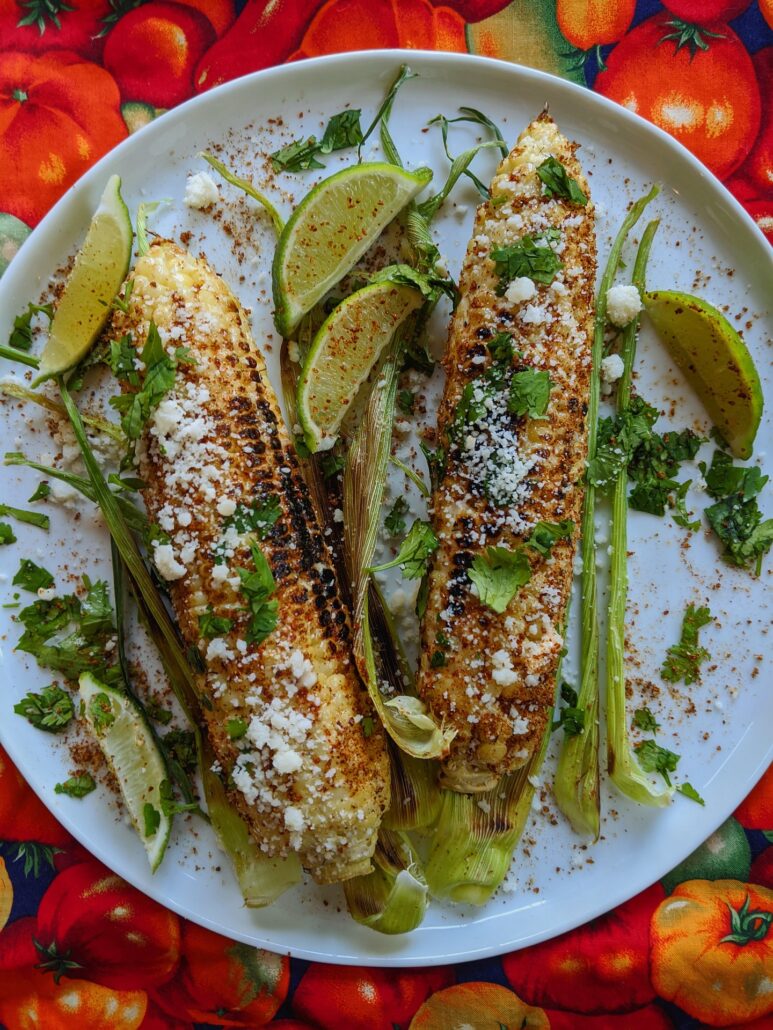
Two preparations of Mexican street corn. Elotes are whole corn on the cob, grilled or boiled, slathered with mayonnaise, cotija cheese, chili powder, and lime. Esquites are the same ingredients as a cup — the kernels cut from the cob and mixed with the toppings in a vessel. Both are eaten as a snack at any time of day and are available from carts throughout the city, particularly in parks and markets.
The combination of sweet corn, salty cotija, acidic lime, fat from the mayonnaise, and heat from the chile is one of those flavor combinations that seems obvious in retrospect. It is also essentially impossible to stop eating.
Tamales
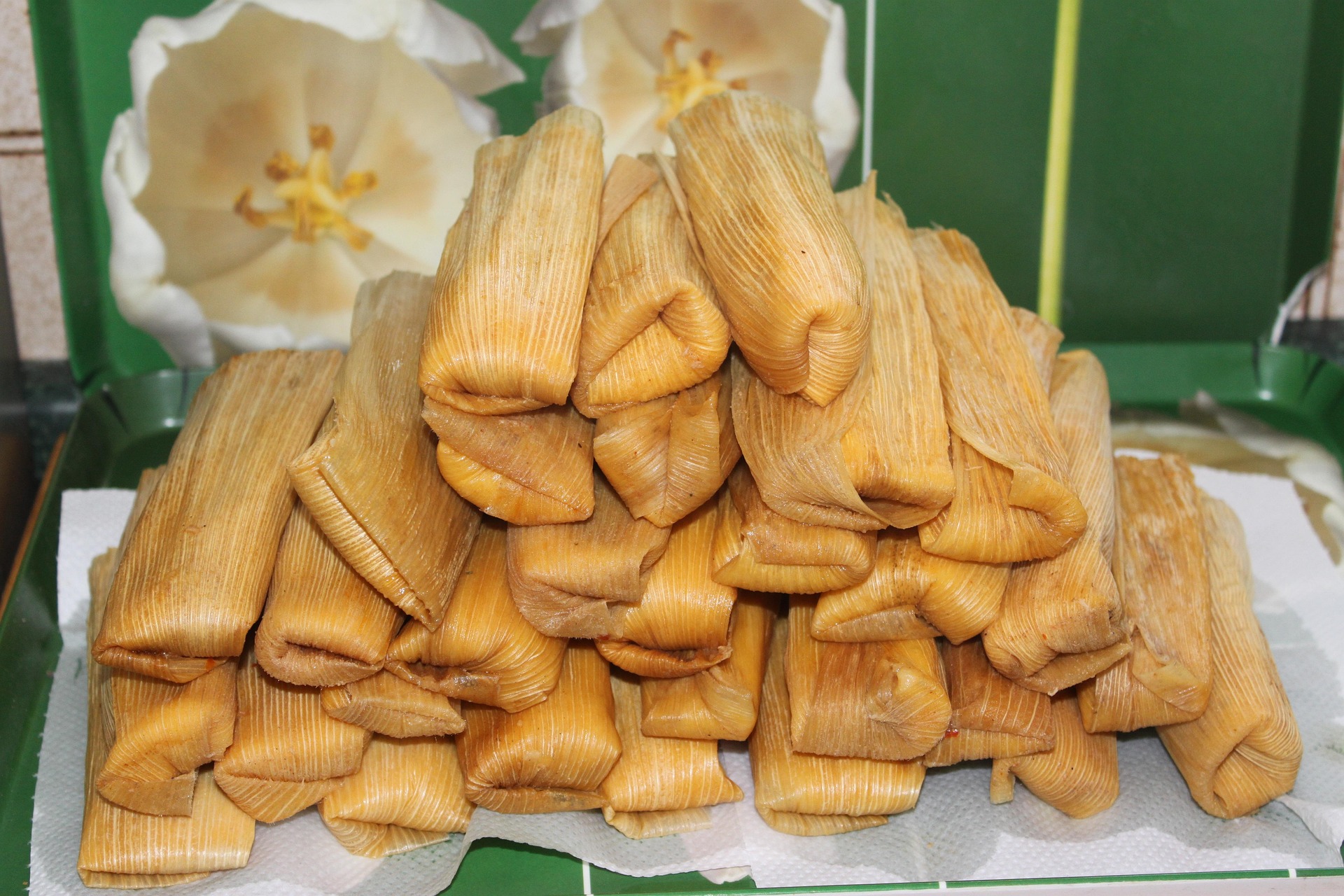
Masa (corn dough) filled with any of dozens of preparations — pork in red mole, chicken in salsa verde, rajas with cheese, sweet fillings with raisins — wrapped in corn husks or banana leaves and steamed. Tamales are eaten for breakfast throughout Mexico and are sold from large pots by vendors on street corners, particularly in the early morning before other food options are available.
The classic Mexico City tamale breakfast: a tamale stuffed into a bolillo roll (a torta de tamal), eaten with atole (a thick, warm corn-based drink flavored with cinnamon or chocolate) or café de olla (coffee brewed in a clay pot with cinnamon and piloncillo). This combination is served from street carts around Metro stations throughout the city from about 6am.
Quesadillas
In Mexico City, a quesadilla debate exists: the city’s corn masa quesadillas — made fresh on a comal (flat griddle) from masa rather than pre-made flour tortillas — do not necessarily contain cheese unless you specifically request it. This surprises visitors from outside Mexico. The fillings are the point: huitlacoche (corn fungus, earthy and complex), flor de calabaza (squash blossom), chicharrón, mushrooms, potato with chorizo. These are the things worth ordering.
Fresh masa quesadillas from market stalls or street carts are fundamentally different from restaurant quesadillas — the masa is hand-pressed for each order, cooked to order on the comal, and served immediately. They are one of the most satisfying quick bites in the city and cost very little.
Tortas
Mexican sandwiches built on bolillo or telera rolls — crusty outside, soft inside — with fillings that span the full range of Mexican cooked meats and preparations. The torta de milanesa (breaded, fried beef or pork cutlet) is one of the most popular formats. The torta ahogada (drowned sandwich) from Guadalajara has made its way to Mexico City — a birria-filled torta submerged in a spiced tomato broth. Torterías (sandwich shops) are a lunch institution, operating from late morning and often selling out by early afternoon.
Pozole
A hearty soup of hominy (nixtamalized corn kernels) in a broth made from dried chiles and pork or chicken, served with a range of garnishes: shredded cabbage, radishes, dried oregano, lime, tostadas, chipotle. Pozole rojo (red) uses guajillo chiles for a deep red broth; pozole verde uses tomatillos and jalapeños for a brighter, more acidic version. A filling, deeply warming soup that is particularly good in the cooler months and available at specialized pozole restaurants (pozlerías) throughout the city.
Mexico City’s Best Food Markets
Mercado de la Merced
The largest market in Mexico City and one of the largest in Latin America — a vast complex of produce vendors, spice stalls, prepared food stands, and specialist suppliers covering several city blocks. La Merced is a working supply market, not a tourist attraction, and its scale and intensity can be overwhelming on a first visit. The prepared food section, particularly around the comedor stalls where set lunches are served, offers some of the most authentic and affordable eating in the city. Go with an appetite and a willingness to point and ask.
Mercado de Medellín
A neighborhood market in Roma Norte that serves as a useful introduction to Mexico City market culture without the overwhelming scale of La Merced. The food section is excellent — fresh produce, good meat and fish counters, and a comedor area with several stalls serving guisados, soups, and set lunches. The market also has a notable Caribbean and Latin American section with ingredients imported from Colombia, Cuba, and Central America. A manageable first market visit for first-timers.
Mercado de Jamaica
A wholesale flower market that also has an excellent food section, operating early in the morning. The food stalls serve breakfast and early lunch — barbacoa on weekends, tacos de guisado through the week, fresh juices, and tamales. The combination of cut flowers and market food makes for one of the more sensory market experiences in the city.
Mercado de Coyoacán
Located in the southern neighborhood of Coyoacán (near the Frida Kahlo Museum), this market is more tourist-accessible than La Merced or Jamaica while still serving a local clientele. The food stalls are good — particularly the tostadas section, where large tostadas are topped with ceviche, tinga, octopus, and other preparations. Coyoacán itself is a beautiful neighborhood with a strong food culture beyond the market; allow a half-day for the area. More information on the neighborhood at the Visit Mexico official tourism site.
Mexico City’s Food Neighborhoods
Roma and Condesa
The two most internationally known food neighborhoods in Mexico City — tree-lined streets with art nouveau architecture, a dense concentration of restaurants, cafés, and taquerías, and a clientele that mixes local professionals with visitors. The food culture here runs from the best tacos al pastor in the city to internationally recognized restaurants serving contemporary Mexican cuisine. This is where most first-time visitors to Mexico City base themselves, and it earns its reputation.
Centro Histórico
The historic center has some of the oldest food traditions in the city — many of the tortillerías, fondas (basic lunch restaurants), and street food vendors here have been operating for generations. It is also the area most associated with Mexico City’s political and social history, which gives eating here a different context than the more residential Roma and Condesa. The Zócalo and the streets around it have both tourist-facing restaurants (avoid) and excellent market food a few blocks in any direction (seek out).
Polanco
Mexico City’s most affluent neighborhood and home to several of Latin America’s most acclaimed restaurants. Pujol — consistently ranked in the World’s 50 Best Restaurants — is here. So is Quintonil, Dulce Patria, and a number of other serious destination restaurants. This is not street food territory, but if a sit-down meal at a world-class restaurant is on your list for the trip, Polanco is where to look. Reservations at Pujol through their official website require advance planning — book several weeks ahead.
What to Drink
Agua fresca — Fresh fruit water, served from large glass jars at market stalls and street carts throughout the city. Jamaica (hibiscus), horchata (rice milk with cinnamon), tamarind, and seasonal fruit are the most common. Cold, slightly sweet, and one of the best things to drink in a warm city. Costs almost nothing.
Mezcal — Oaxacan smoked agave spirit that has become the sophisticated alternative to tequila throughout Mexico City’s bar and restaurant scene. The range of producers, agave varieties, and production methods creates enormous diversity in flavor. If you drink spirits, mezcal in Mexico City is worth exploring at any of the mezcalerías concentrated in Roma, Condesa, and Centro. Mezcal Reviews is a useful reference for understanding the production landscape before you visit.
Pulque — The fermented sap of the maguey agave — a slightly viscous, mildly alcoholic drink with a sour, earthy flavor that is an acquired taste and specifically associated with Mexican popular culture. Served at traditional pulquerías, of which a small number still operate in Mexico City. Worth trying once for cultural context, regardless of whether you end up liking it.
Practical Notes for Eating in Mexico City
Food safety — The “don’t eat street food” advice that circulates about Mexico City is outdated and overstated. High-turnover stalls with visible preparation, fresh ingredients, and a local clientele are reliably safe. The practical precautions: ensure meat is hot (not warm), avoid pre-cut fruit that has been sitting in the heat, and drink bottled or filtered water. Most stomach issues in Mexico City result from dietary change (very rich food, different microbiome) rather than genuine contamination.
Meal timing — Mexico City eats late. Lunch (comida) is the main meal of the day, eaten between 2pm and 4pm. Dinner is typically not until 9pm or later. The most serious restaurants operate on this schedule. Street food runs on a broader timeline — tacos and market stalls operate from early morning through late night, with some taquerías open 24 hours.
Price — Street food in Mexico City is extremely affordable by any international standard. A filling taco al pastor costs 20–25 pesos (approximately €1). A full market comida of soup, main, and drink might be 80–120 pesos. Budgeting €15–20 per person per day for street food and market eating is generous.
Salsa protocol — Every taco stand has multiple salsas. Try each one. The heat level varies considerably and is not always obvious from appearance — the green salsa is not necessarily milder than the red. Ask the vendor which is picante (spicy) if you’re concerned, but expect the answer to be delivered with a reassurance that should be taken with some skepticism.
For deeper research on Mexico City’s food scene, Chilango — Mexico City’s primary urban culture and food publication — covers current restaurant openings, market features, and food culture in depth. The English-language Time Out Mexico City section is a useful supplementary resource for visitors.