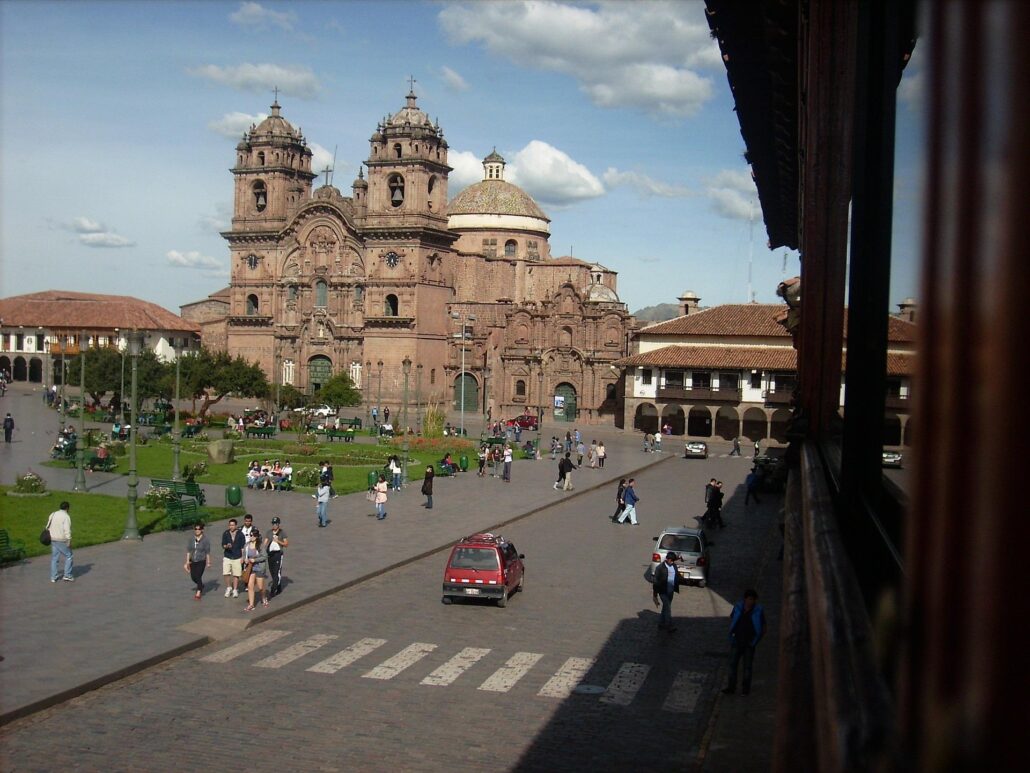
One of us felt it. Not dramatically — no hospital visits, no evacuation, no moment of genuine alarm — but noticeably enough that the first day in Cusco required a specific kind of management that neither of us had ever needed at home. A dull, persistent headache that arrived within an hour of landing. A heaviness in the chest when climbing the stairs to our room. A general sense of the body recalibrating to conditions it had never encountered before. Cusco sits at 3,400 meters — 11,154 feet — and the air at that altitude contains roughly 30% less oxygen than at sea level. Your body, however well-prepared you feel, notices.
We are telling you this upfront because the most common version of this conversation goes one of two ways: either altitude sickness is dramatically overstated (“we were totally fine, don’t worry about it”) or it’s treated as a potential medical catastrophe that might ruin your trip. Neither framing is helpful. The honest version is that Cusco’s altitude is a real physical challenge for most visitors arriving from sea level, that it is entirely manageable with the right preparation and the right attitude, and that on the other side of it is one of the most extraordinary travel experiences of our lives. We went to Machu Picchu. We stood inside an Inca city in the cloud forest. We would do every uncomfortable hour of the altitude adjustment again without hesitation.
This article is everything we know about handling altitude in Cusco — what worked for us, what we saw work for others, what the science actually says, and what we’d do differently if we went back.
Why Cusco’s Altitude Hits Differently
The human body is remarkably adaptable to altitude — but that adaptation takes time, and the speed of modern air travel means you can be at sea level in the morning and at 3,400 meters by afternoon. Your body has not had the gradual exposure that would allow it to begin producing the additional red blood cells it needs to carry oxygen efficiently at altitude. The result is acute mountain sickness (AMS), known in Peru as soroche — a syndrome that ranges from mild (headache, fatigue, mild nausea) to moderate (significant headache, vomiting, difficulty sleeping) to severe (pulmonary or cerebral edema, which are genuine medical emergencies requiring immediate descent).
The vast majority of visitors to Cusco experience the mild to moderate range. Severe altitude sickness is uncommon at 3,400 meters — it becomes significantly more likely above 4,000 meters, which is why Cusco itself (3,400m) is less dangerous than trekking the Inca Trail’s highest pass (4,215m) or visiting certain Sacred Valley sites. For the purposes of a standard Cusco visit, the concern is the mild to moderate symptoms: the headache, the fatigue, the disrupted sleep, the breathlessness on stairs, and the way alcohol hits you approximately twice as hard as it would at sea level.
That last point is worth dwelling on. We had a couple of beers on our first evening in Cusco. We are not recommending this as an acclimatization strategy — the advice on alcohol at altitude is to avoid it for the first 24–48 hours, and we’re aware that we were somewhat ignoring this. But we’re also being honest: two beers felt like four, we slept reasonably well, and we were functional the next morning. Your experience may differ. The reason alcohol hits harder at altitude is that dehydration — already a risk at altitude, where the dry air and increased breathing rate accelerate fluid loss — compounds alcohol’s effects significantly. If you drink on your first Cusco night, drink a lot of water alongside it.
The Lima-First Strategy — The Most Important Preparation

The single most effective thing you can do to reduce altitude sickness in Cusco costs nothing extra and requires only sequencing your itinerary correctly: arrive in Lima first and spend at least two days there before flying to Cusco.
Lima is at sea level. Two days in Lima before ascending to Cusco gives your body two additional days at normal oxygen levels before the challenge begins. It won’t fully acclimatize you — true acclimatization to 3,400 meters takes days to weeks — but it means you arrive in Cusco as a well-rested, well-fed person at normal sea-level function rather than as a long-haul flight-depleted traveler whose body is simultaneously adjusting to jet lag and oxygen deprivation.
We did this — two days in Lima, eating extraordinarily well (the ceviche at La Mar, the Larco Museum, a genuine first impression of one of the great food cities in the Americas), then flew to Cusco. The Lima days were not wasted time waiting to get to the “real” part of the trip. They were some of the best days of the entire journey. And they meant we arrived in Cusco with full energy reserves rather than arriving depleted.
If your itinerary puts Cusco first, or if you’re flying directly from the US to Cusco without a Lima stop, give yourself an extra day of cushion in Cusco before attempting serious sightseeing. The Sacred Valley (at 2,700–2,900 meters, lower than Cusco) is a gentler introduction to Andean altitude than the city itself — some travelers choose to base in the Sacred Valley for the first night and ascend to Cusco the following day, which gives a natural altitude progression.
Arrival Day — What We Actually Did
We flew from Lima to Cusco on a mid-morning flight, arriving around 11am. The altitude hit within the first hour — not the dramatic collapse that online horror stories sometimes describe, but a clear and unmistakable change in how one of us felt. Headache settling in behind the eyes. Slightly labored breathing climbing the airport stairs. A general sense of heaviness.
Our tour operator, Best Peru Tours, had prepared us well for this. The protocol they recommended — and that we followed — was straightforward:
Check into the hotel immediately. Don’t attempt sightseeing on arrival day. Accept the coca tea the hotel will bring you and drink it. Eat a light lunch. Rest in the afternoon — genuinely rest, not “we’ll just walk around the Plaza de Armas for a bit.” Drink water consistently throughout the day. Eat a light dinner. Be in bed early.
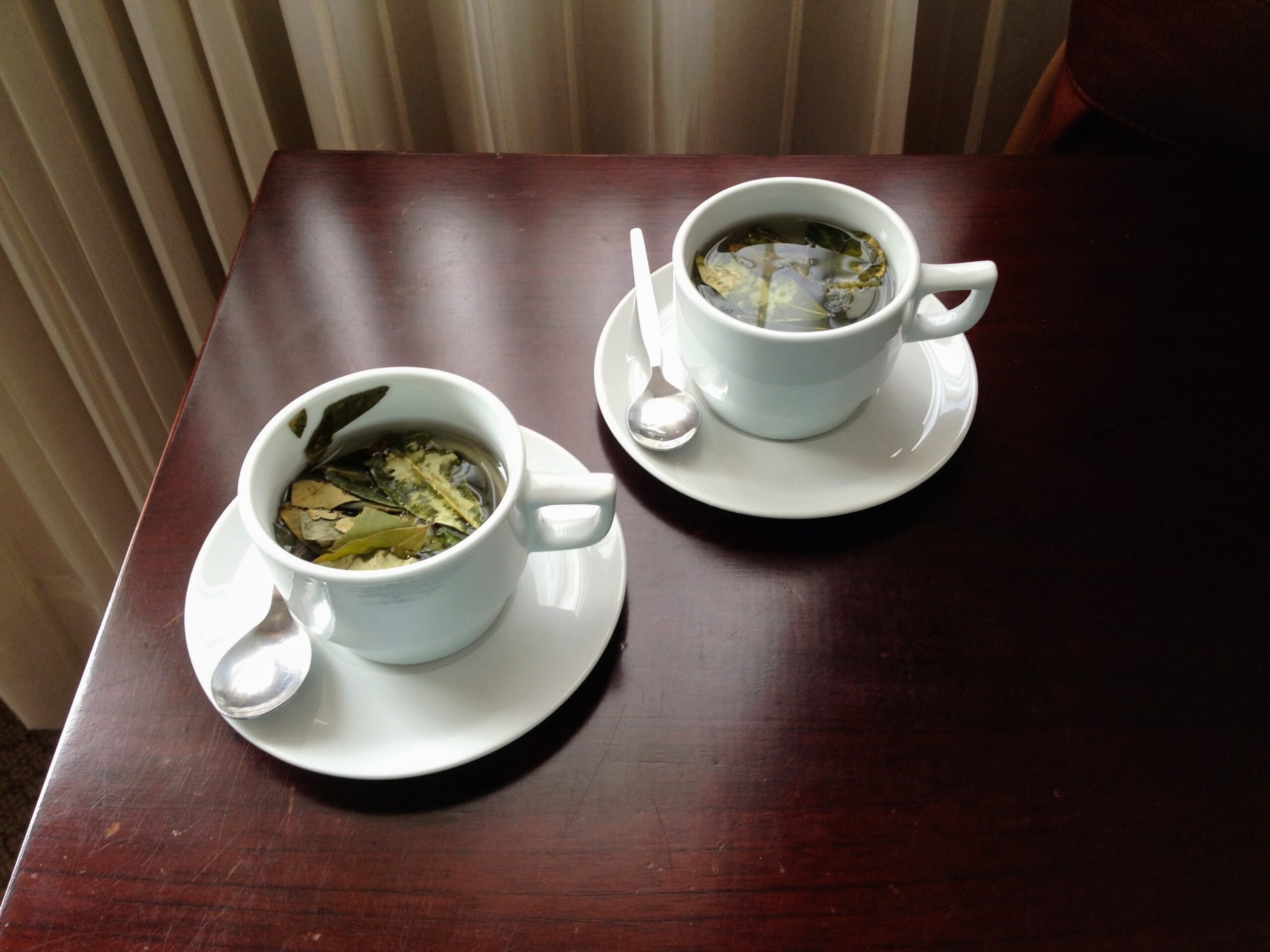
We followed this protocol. The coca tea arrived within twenty minutes of check-in — a pale yellow-green infusion served hot, with a mild herbal flavor that is nothing like the coca-leaf preparations you might associate with other contexts. We drank several cups through the afternoon. Whether it was the tea, the rest, the hydration, or simply the body beginning its adjustment, the headache was manageable by evening and largely gone by the following morning.
Coca Tea — Does It Actually Work?
The short answer is: yes, in our experience, and yes according to the available evidence — though with some important nuance.
Coca leaves (the plant from which cocaine is derived, but in an entirely different preparation) have been used in the Andes for altitude symptoms for thousands of years. The alkaloids in the leaf — including cocaine in very small concentrations — have mild stimulant and vasodilatory effects that genuinely help with soroche symptoms. The tea is legal throughout Peru, available at every hotel and restaurant in Cusco, and entirely safe at normal consumption levels. It will not produce a positive drug test from tea consumption alone; the alkaloid concentrations are too low.
Every good Cusco hotel will offer coca tea on arrival. Accept it. Drink as much as you want throughout your first day. It genuinely helped one of us manage a noticeable headache to a level that was uncomfortable but entirely functional. We are not saying it cured altitude sickness — it didn’t — but it reduced the worst of the symptoms enough to make the adjustment period manageable.
Coca candy and coca leaves for chewing are also available throughout Cusco. The chewed leaves are more potent than the tea; some visitors find them more effective, others find the texture off-putting. Both are worth trying if the tea alone isn’t providing enough relief.
What Else Helps — The Full Protocol
Hydration
Drink more water than you think you need. At altitude, the dry Andean air and the increased breathing rate (your body’s automatic response to lower oxygen) accelerate fluid loss significantly. Dehydration worsens every altitude symptom. We carried water bottles everywhere in Cusco and refilled them constantly. The rule of thumb: if you’re not making frequent trips to the bathroom, you’re not drinking enough.
Ibuprofen
Ibuprofen (400–600mg) is one of the best-evidenced treatments for altitude headache — multiple studies show it reduces AMS symptoms as effectively as acetazolamide for mild to moderate cases, without the side effects. Pack it in your carry-on, not your checked luggage. If the headache arrives, take ibuprofen with a full glass of water. Don’t wait until the headache is severe; earlier intervention works better.
Light Eating
Heavy, rich meals on the first day at altitude can worsen nausea and general malaise. The Andean kitchen is actually well-suited to arrival day — quinoa soup (sopa de quinoa), light broths, and the smaller portions of traditional Cusqueño food are gentler on a body that is already working hard to adjust. Save the full parillada for day three when you’re acclimatized.
No Strenuous Activity on Day One
Climbing to Sacsayhuamán (the Inca fortress above the city, a steep 20-minute ascent) on arrival day is one of the most reliably reported ways to turn mild altitude symptoms into a serious problem. The exertion demand of climbing at 3,400 meters before acclimatization is significant. Save the uphill walks for day two or three. Walking on flat ground in the city center is fine; climbing hills is not, on day one.
Diamox (Acetazolamide) — Should You Take It?
Acetazolamide (brand name Diamox) is a prescription medication that works by stimulating increased breathing, which helps the body take in more oxygen. It is genuinely effective at preventing and treating AMS and is commonly prescribed to travelers heading to altitude. We did not take it — we relied on the coca tea and rest protocol — but it is a legitimate option worth discussing with your doctor before the trip.
The side effects are worth knowing: increased urination (significant, as the drug is a diuretic), tingling in the hands and feet (common), and a metallic taste in carbonated drinks. It also needs to be started 1–2 days before ascending to altitude to be effective. If you’re going to use it, get the prescription before leaving home — it’s not always available in Cusco pharmacies and is not something to be sourcing on arrival day.
Our honest take: for most healthy adults doing a standard Cusco and Machu Picchu itinerary (not high-altitude trekking above 4,000 meters), the coca tea, hydration, and rest protocol is sufficient. Diamox is most useful for people with a history of severe altitude sickness, those ascending very quickly, or those doing high-altitude trekking beyond the standard tourist circuit.
The Symptoms to Take Seriously
Everything above applies to mild to moderate altitude sickness. There are symptoms that require a different response entirely:
- Difficulty walking in a straight line or loss of coordination — a sign of high altitude cerebral edema (HACE), a serious condition requiring immediate descent
- Severe breathlessness at rest — not the mild breathlessness of climbing stairs, but genuine difficulty breathing while sitting still. A sign of possible high altitude pulmonary edema (HAPE)
- Persistent vomiting that prevents keeping fluids down — dehydration at altitude can escalate quickly
- Extreme confusion or altered consciousness
None of these are common at Cusco’s altitude. We mention them not to alarm but to be complete: if any of these occur, the answer is descent to lower altitude and medical attention, not more coca tea and rest. Cusco has hospitals and medical clinics experienced with altitude illness; your hotel staff will know where to direct you.
Machu Picchu Is Lower Than Cusco — This Is Good News
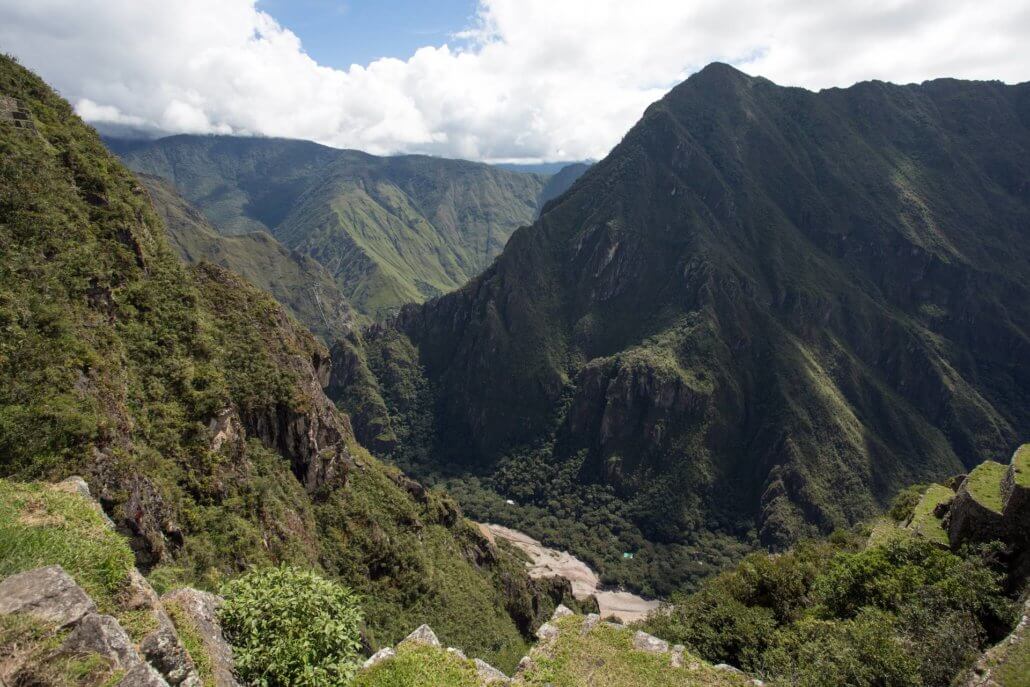
One of the counterintuitive facts about the Peru altitude experience is that Machu Picchu (2,430 meters) is actually lower than Cusco (3,400 meters). If you acclimatize in Cusco for two days before visiting the ruins, you will be descending almost 1,000 meters to reach Machu Picchu — which means you’ll feel better at the ruins than you did in the city. This is exactly how our experience went: by the time we reached Machu Picchu, we felt completely normal. The altitude adjustment work done in Cusco paid forward.
Aguas Calientes, the town at the base of the ruins where most visitors stay the night before, is at 2,040 meters — lower still. The night in Aguas Calientes before the ruins visit is genuinely comfortable from an altitude perspective for anyone who has spent two days in Cusco first.
The Honest Bottom Line
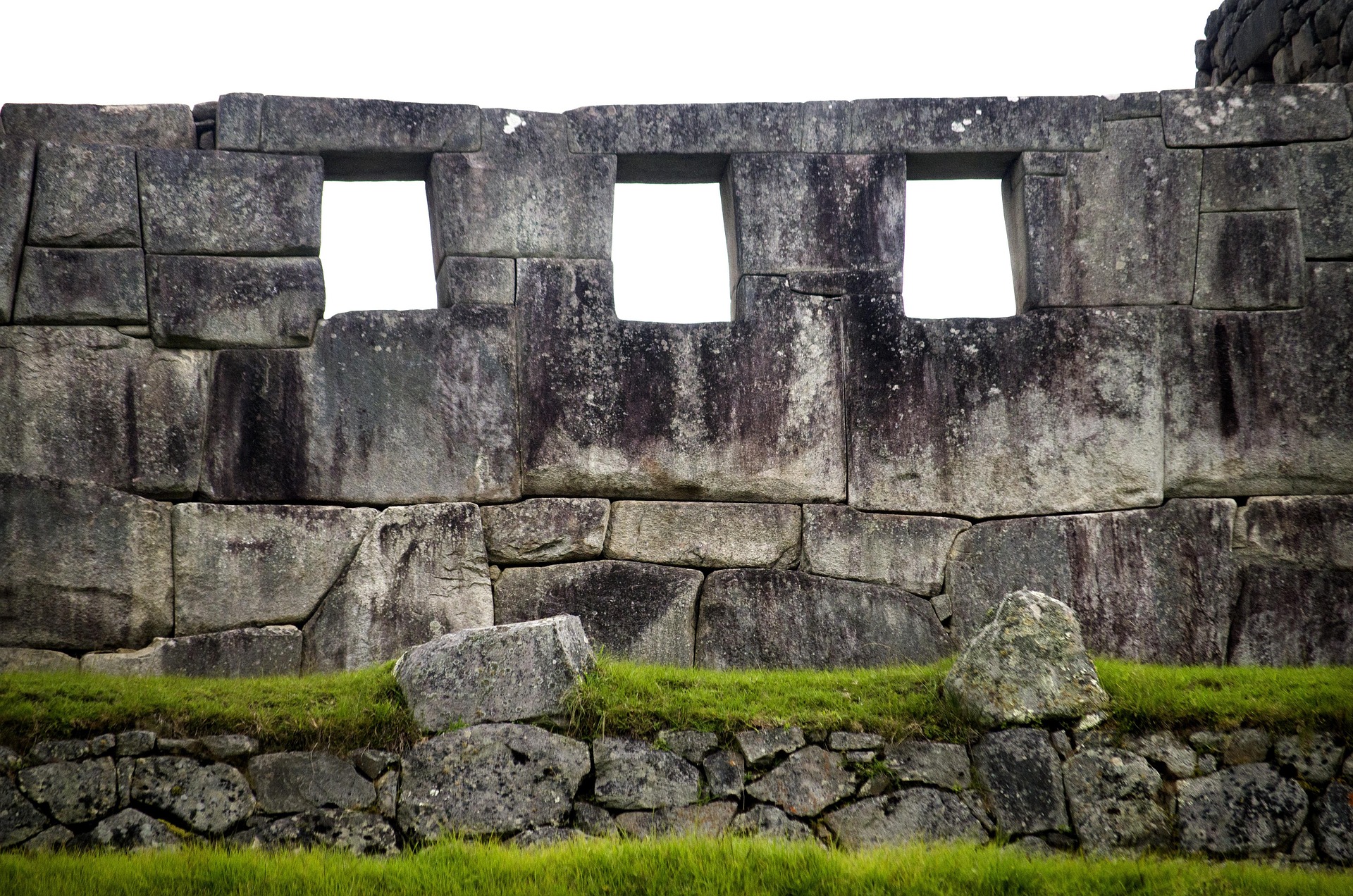
One of us felt altitude sickness noticeably in Cusco. We drank coca tea, rested on the first day, stayed hydrated, pushed through the discomfort with the knowledge that it would pass, and had a couple of beers on the first evening that in retrospect hit harder than expected. By day two we were functional. By day three we were exploring Sacsayhuamán and the Inca wall streets of the historic center with full energy. And the experience that the altitude adjustment was protecting — Cusco itself, the Sacred Valley, and ultimately Machu Picchu — was worth every uncomfortable hour without the smallest reservation.
Don’t let the altitude conversation talk you out of Peru. Let it talk you into preparing properly. Arrive in Lima first. Rest on arrival day in Cusco. Drink the coca tea. Stay hydrated. Give your body the 24 hours it needs. Everything after that is one of the greatest travel experiences in the world.
For everything you need to plan the Peru trip, see our guides to Cusco, Lima, and Machu Picchu, and our complete Machu Picchu booking guide.