London is one of the world’s most visited cities, yet it rarely feels overwhelmed in the same way as smaller, more compact destinations. That said, crowding in London is highly location- and time-dependent, and travelers who don’t understand how the city functions can easily spend their days stuck in lines, traffic, or congested areas.
This guide explains how crowds actually work in London, how to time your days, and how to experience the city calmly despite its size and popularity.
For broader planning context:
How Crowds Actually Work in London
Unlike walled or compact cities, London spreads visitors across dozens of neighborhoods. Crowds concentrate not because the city is small, but because travelers cluster around a limited set of landmarks.
In general:
-
Major attractions draw predictable congestion
-
Transit hubs experience rush-hour pressure
-
Residential neighborhoods remain calm year-round
Crowding in London is more about where and when than overall visitor volume.
The Most Crowded Areas in London
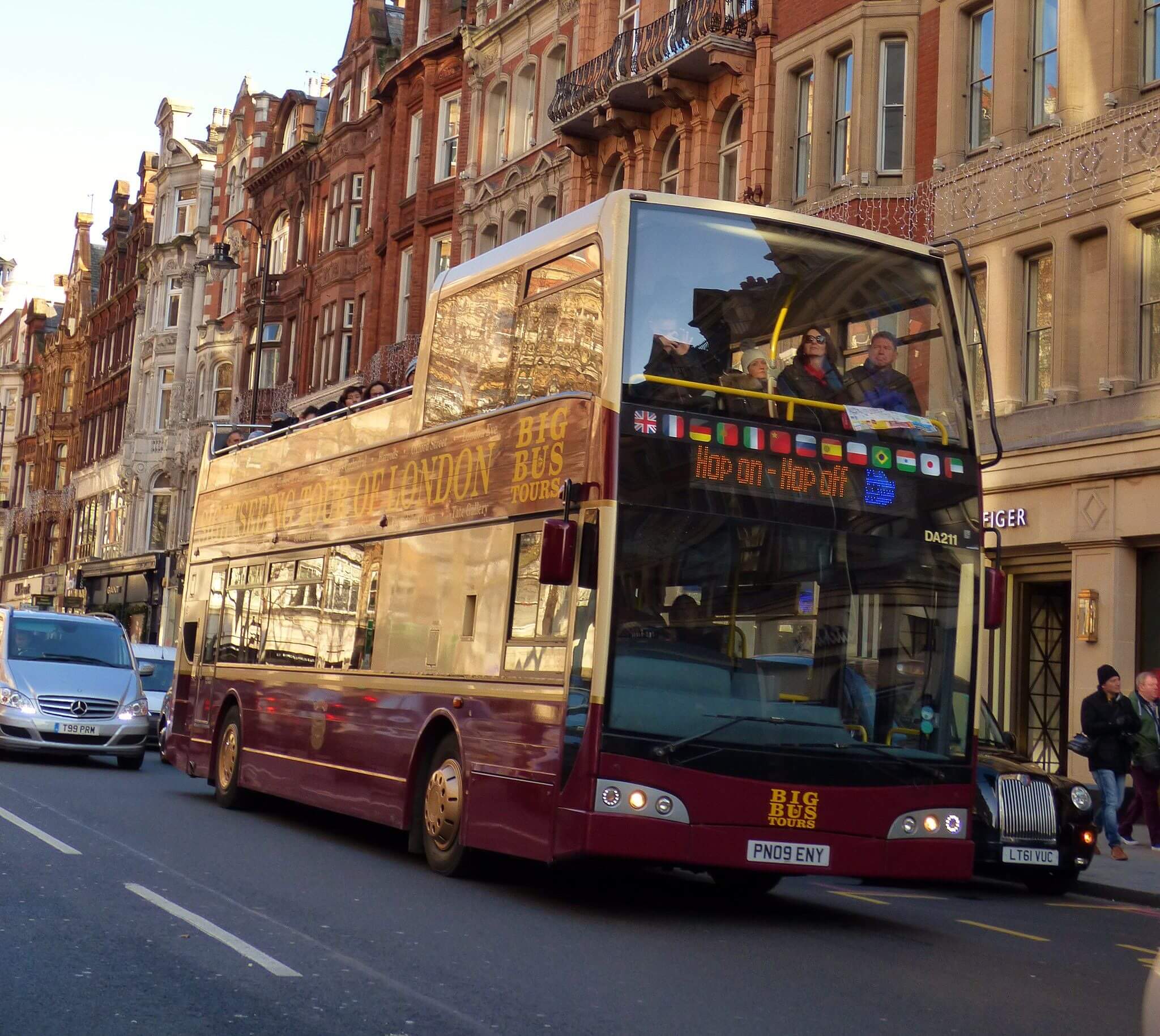
Certain areas consistently attract the highest foot traffic.
These include:
-
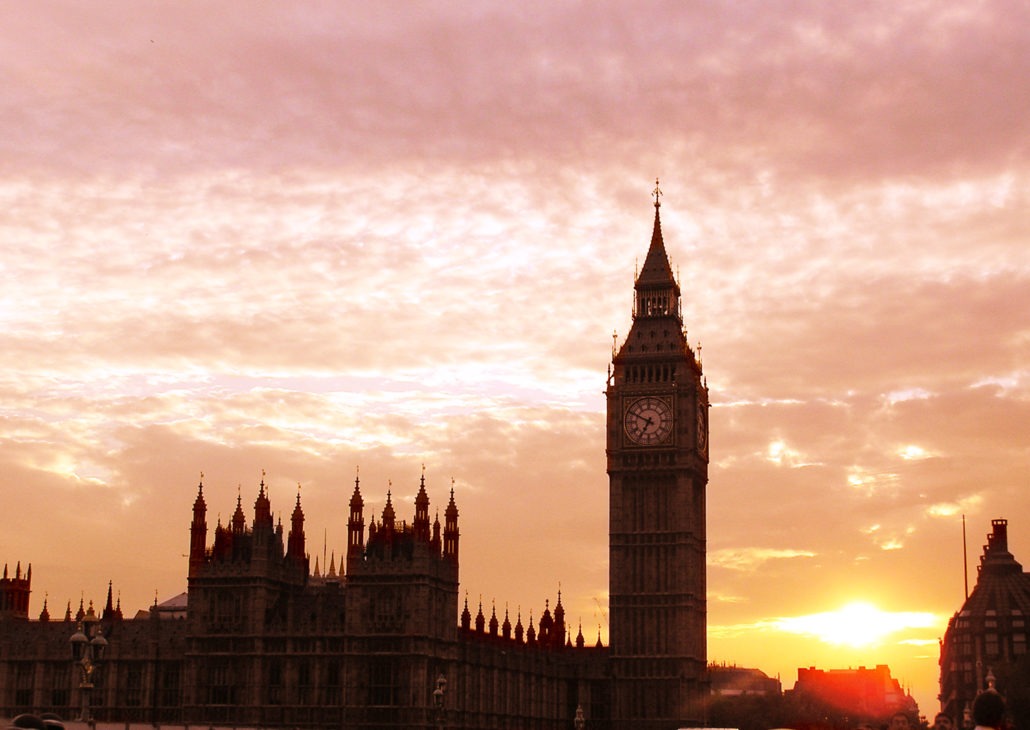
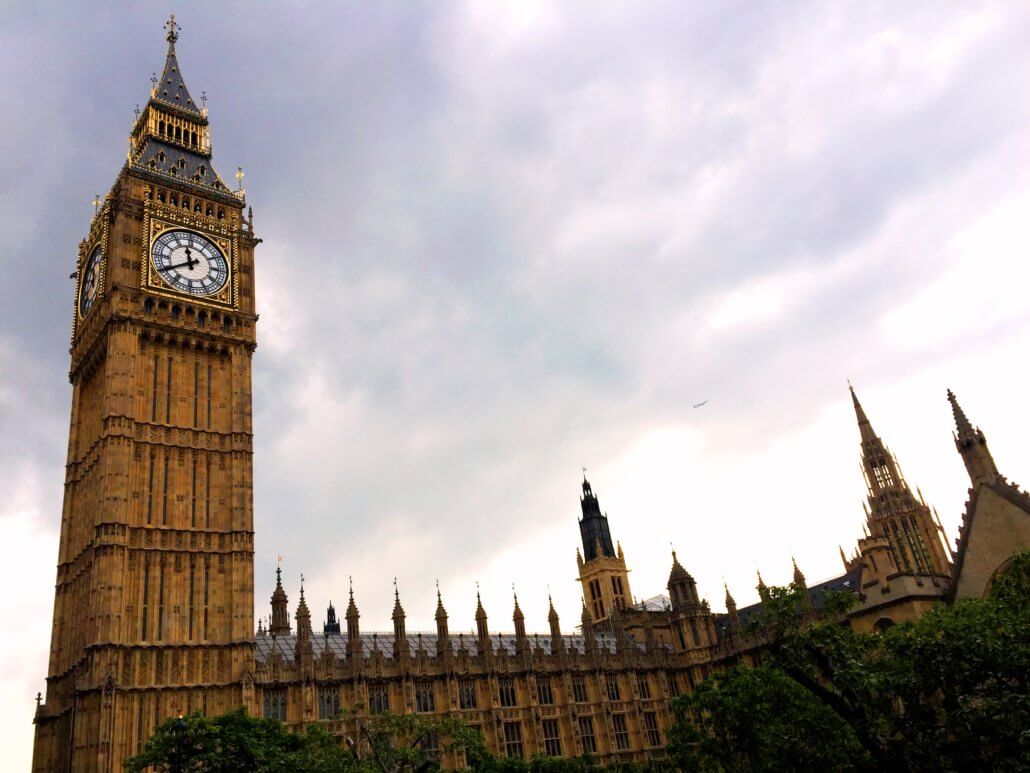
Westminster (Big Ben, Parliament, Westminster Abbey)
-
Covent Garden
-
Leicester Square
-
Oxford Circus
-
Camden Market (especially weekends)
These areas are easy to identify — and easy to time strategically.
Best Times of Day to Explore London
Timing makes a noticeable difference in London.
Early mornings, roughly before 9:00 AM, are ideal for walking central areas, visiting parks, and enjoying landmarks without congestion. This is when London feels most relaxed.
Midday, particularly between 11:00 AM and 4:00 PM, brings peak foot traffic around major attractions and shopping streets.
Evenings spread crowds outward. Theatergoers, diners, and locals dilute tourist density, especially outside the West End core.
How Rush Hour Affects Your Experience

London’s rush hour is driven by commuters, not tourists.
In general:
-
Weekdays from 7:30–9:30 AM and 4:30–6:30 PM are busiest on transit
-
Roads slow significantly during these windows
-
Walking remains efficient even when trains are crowded
Planning sightseeing outside rush hour makes transit smoother and less stressful.
Best Months to Visit London for Fewer Crowds
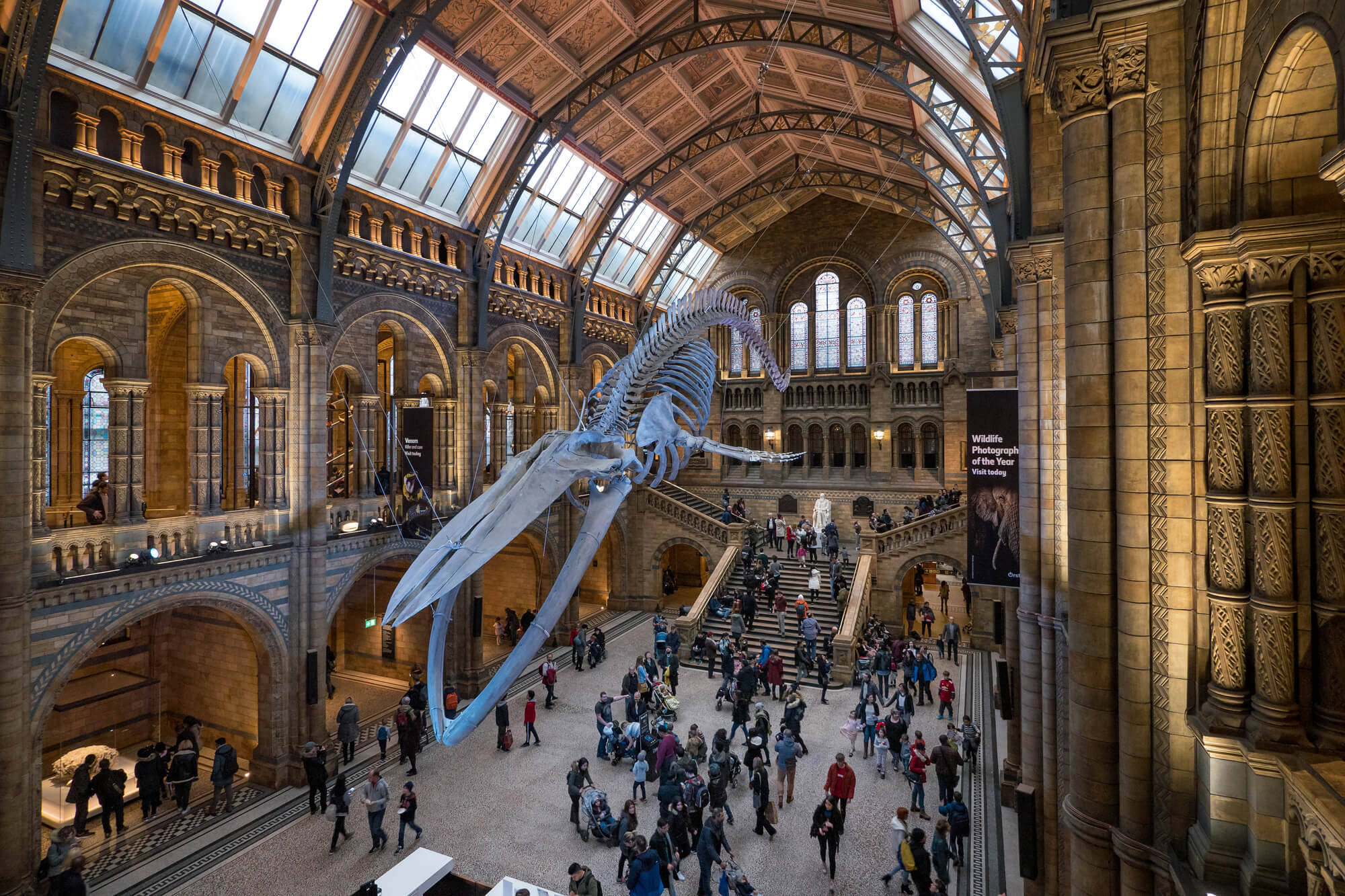
London is less seasonal than many European cities, but timing still matters.
Late winter (January and February) is the quietest period, with fewer visitors and shorter lines. Spring and fall offer balanced conditions with manageable crowds.
Summer brings higher visitor numbers but also disperses people into parks, outdoor markets, and neighborhoods, which prevents extreme congestion.
December is busy in shopping districts but calmer around traditional sightseeing areas outside holiday weeks.
Why Where You Stay Matters in London
Because London is so large, lodging location directly affects how much time you spend in crowded transit corridors.
Staying near a well-connected Underground line allows you to bypass major transfer stations and reach quieter neighborhoods easily. Staying slightly outside the most tourist-heavy zones often results in calmer mornings and evenings.
For neighborhood guidance and lodging recommendations:
-
Where to Stay in London
https://www.acouplefortheroad.com/where-to-stay/london/
How to Structure a Crowd-Smart Day in London
London rewards flexible planning.
Morning works best for:
-
Popular landmarks
-
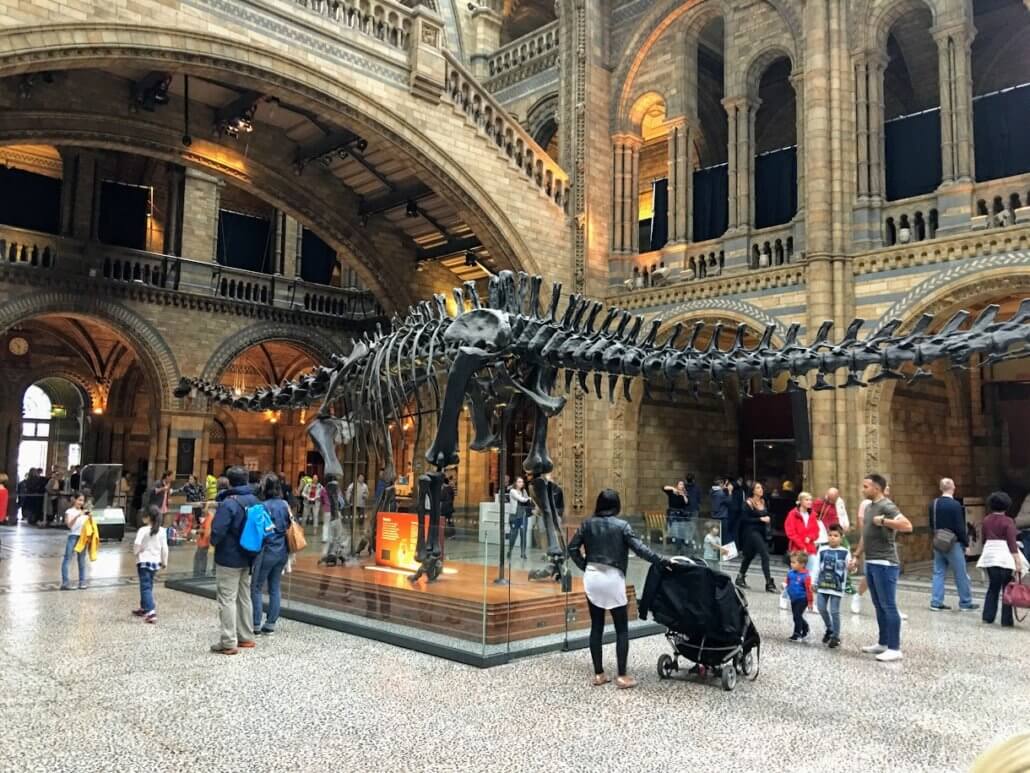
Museums at opening time
-
Park walks
Midday is ideal for:
-
Neighborhood exploration
-
Markets
-
Long lunches away from major attractions
Evenings are best for:
-
Dining
-
Theater
-
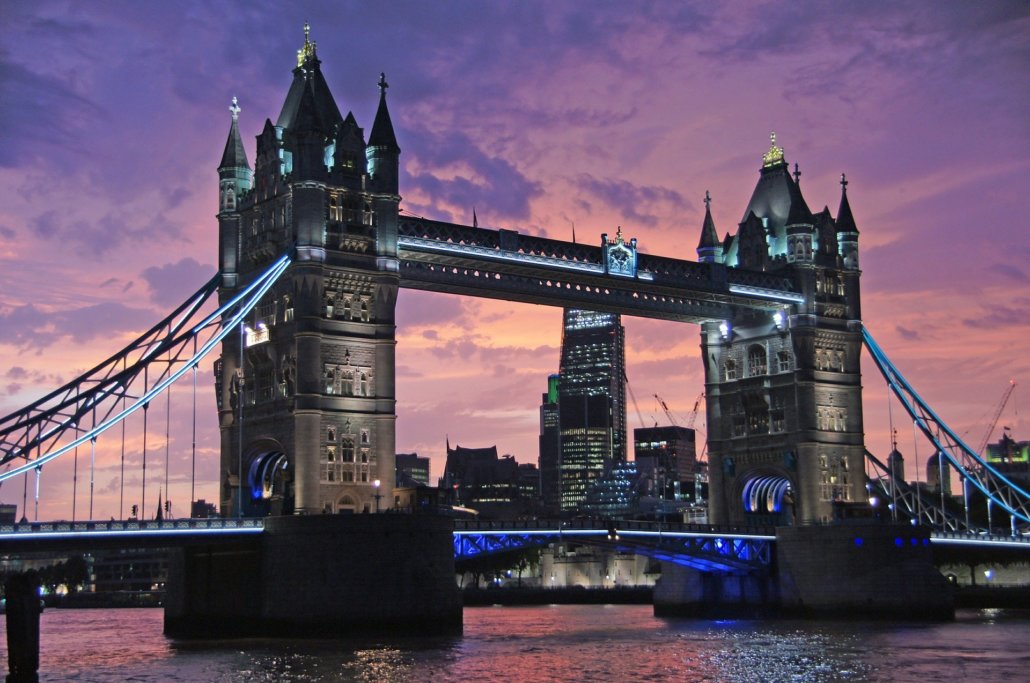
River walks
Spacing major sights across different parts of the city reduces backtracking and congestion.
Common Mistakes First-Time Visitors Make
Many visitors overschedule London, underestimating travel time between areas. Others try to visit multiple major attractions in the same part of the city at peak hours.
Another common mistake is staying too far out without understanding transit complexity, which can increase stress rather than reduce it.
Finally, focusing only on headline landmarks often leads to crowd fatigue, while quieter neighborhoods are overlooked.
Who London Is — and Isn’t — Right For
London is ideal for travelers who enjoy walking, neighborhood exploration, and cultural variety. Its size allows visitors to tailor experiences and avoid crowds more easily than in compact cities.
It may feel overwhelming for travelers who prefer small, contained destinations or dislike public transit entirely.
Planning London the Right Way
London does not require avoiding crowds — it requires understanding flow. By timing visits well, choosing the right base, and spreading activities across neighborhoods, the city becomes approachable, calm, and deeply rewarding.
For complete planning support, use this guide alongside:
-
London City Guide
https://www.acouplefortheroad.com/city-guides/london/ -
What to Eat in London
https://www.acouplefortheroad.com/what-to-eat/london/ -
Where to Stay in London
https://www.acouplefortheroad.com/where-to-stay/london/