Warsaw is a city that reveals itself in layers. At first glance, it may feel more modern than other Polish destinations, but beneath that surface is a deeply historic and dynamic capital shaped by resilience, culture, and constant reinvention. From meticulously rebuilt Old Town streets to wide boulevards and contemporary neighborhoods, Warsaw offers a different experience from cities like Kraków — and one that rewards a structured approach.
Two days is enough time to understand how Warsaw works, see its key areas, and experience both its historic and modern sides without feeling rushed.
This itinerary is designed to help you navigate Warsaw efficiently, combining neighborhoods, food, and major sights in a way that reflects how the city is actually laid out.
If you’re planning your trip in more detail, start with the 👉 Warsaw City Guide, and use 👉 What to Eat in Warsaw and 👉 Where to Stay in Warsaw to refine your experience.
Table of Contents
ToggleHow to Use This Warsaw Itinerary
Warsaw is more spread out than Kraków, so structuring your days properly makes a noticeable difference.
In general:
- Day 1 focuses on Old Town and historic Warsaw
- Day 2 explores modern areas, parks, and broader city life
Walking works well within specific districts, but you’ll likely combine walking with short tram, metro, or taxi rides to move efficiently between areas.
Day 1: Old Town, Royal Route & Historic Warsaw
Your first day in Warsaw should focus on the city’s historic core — even though much of it has been reconstructed, it remains the cultural and symbolic heart of the capital.
Morning: Old Town (Stare Miasto)
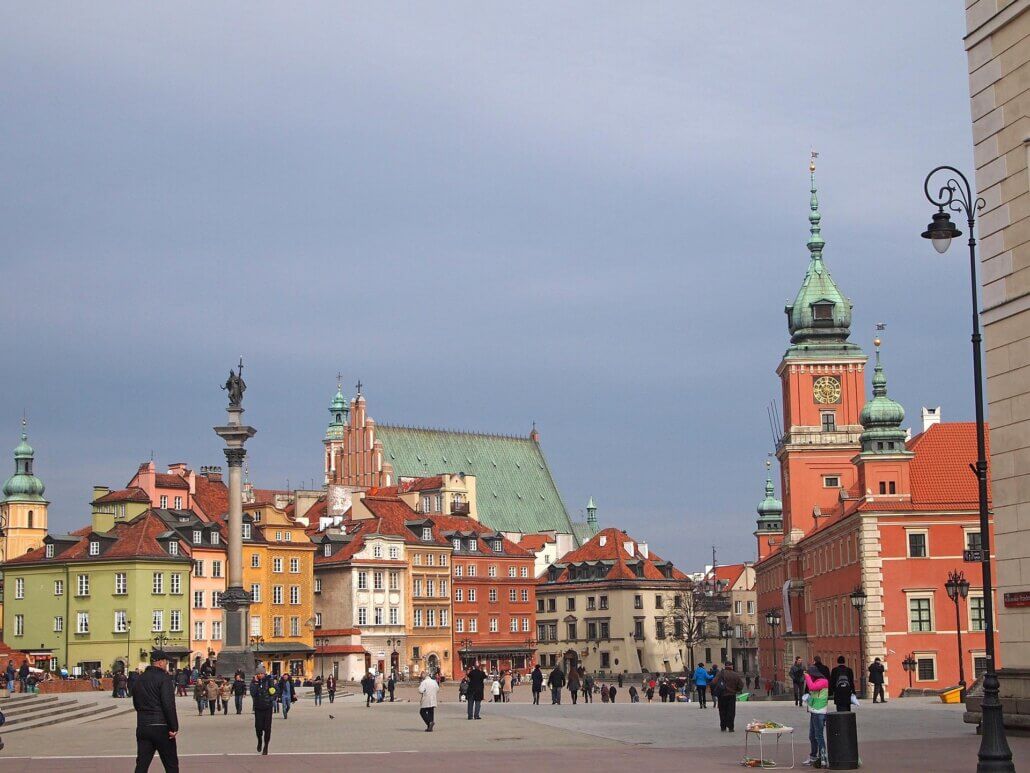
Start your day in Old Town, a UNESCO-listed area rebuilt after World War II. While it may look centuries old, much of what you see today is the result of careful reconstruction — which is part of what makes it so significant.
Begin in the Old Town Market Square, surrounded by colorful buildings and restaurants. From there, walk through the surrounding streets, taking in the architecture and atmosphere.
Continue toward:
- Royal Castle
- Sigismund’s Column
- The city walls and viewpoints
This area is compact and easy to explore on foot, making it a perfect starting point.
Midday: The Royal Route
From Old Town, follow the Royal Route, one of Warsaw’s most important historic corridors. This path connects Old Town with other major landmarks and offers a natural progression through the city.
Walking this route gives you a broader sense of Warsaw’s scale and layout.
Along the way, you’ll pass:
- Krakowskie Przedmieście street
- Historic churches and buildings
- University areas
- Government buildings
This is a good time to slow down, stop for coffee, and observe how the city transitions from historic to more modern spaces.
Lunch: Traditional Polish Cuisine
By midday, it’s time to sit down for your first proper meal.
Day 1 is ideal for trying traditional Polish dishes such as:
- Pierogi
- Żurek (sour rye soup)
- Schnitzel-style dishes
- Hearty meat-based meals
For specific recommendations, refer to 👉 What to Eat in Warsaw, which helps you find better options and avoid overly tourist-focused spots.
Afternoon: Culture & Museums
Warsaw offers a strong museum scene, and Day 1 is the best time to include one or two cultural experiences.
Options include:
- POLIN Museum of the History of Polish Jews
- Warsaw Uprising Museum
- Royal Castle interiors
You don’t need to visit all of them — choose one based on your interest and allow enough time to experience it properly.
Alternatively, you can continue exploring on foot, moving beyond Old Town into surrounding areas.
Late Afternoon: Saxon Garden or City Walk
If you prefer a more relaxed pace, spend time in Saxon Garden, one of Warsaw’s central green spaces. It’s a good place to take a break and step away from the busier areas.
You can also use this time to wander without a strict plan — Warsaw rewards exploration, especially as you move between neighborhoods.
Evening: Dinner Near the Center
For your first evening, stay relatively central.
Choose a restaurant either:
- Near Old Town
- Along the Royal Route
- In nearby central districts
This is a good night to keep things simple — enjoy a relaxed dinner and begin to get a feel for Warsaw’s dining culture.
For curated options, refer again to 👉 What to Eat in Warsaw
Day 2: Modern Warsaw, Parks & Local Life
Day 2 shifts away from the historic core and shows you a more modern, lived-in side of Warsaw.
Morning: Łazienki Park
Start your day at Łazienki Park, one of Warsaw’s most beautiful and expansive green spaces.
This area is ideal for:
- Walking
- Relaxing
- Seeing a quieter side of the city
Within the park, you’ll find:
- The Palace on the Isle
- Gardens and open spaces
- Monuments and cultural sites
It’s a completely different atmosphere from Old Town and offers a more balanced view of Warsaw.
Late Morning: Śródmieście & Modern Center
From the park, head toward Śródmieście, the central district and the modern heart of Warsaw.
This is where you’ll see:
- Contemporary architecture
- Business districts
- Shopping areas
- A more fast-paced urban environment
A key landmark here is the Palace of Culture and Science, one of the most recognizable buildings in the city.
This part of Warsaw highlights how much the city has evolved beyond its historic core.
Lunch: Modern Dining
Day 2 is a great time to explore Warsaw’s more modern food scene.
Look for:
- Updated takes on Polish cuisine
- International restaurants
- Casual cafés and lunch spots
Warsaw has a strong dining scene, and this is where it becomes more apparent.
Use 👉 What to Eat in Warsaw to match dishes with the right places.
Afternoon: Praga (Optional but Recommended)
If you want a deeper and more local experience, head across the river to Praga.
Praga offers:
- A more raw, less polished feel
- Street art and creative spaces
- A look at a different side of Warsaw
It’s less touristy and provides contrast to both Old Town and the modern center.
Alternatively, if you prefer a more relaxed day, you can stay within Śródmieście and explore at your own pace.
Late Afternoon: Coffee & Slow Exploration
Use the late afternoon to slow things down.
This could mean:
- Visiting a café
- Walking through quieter streets
- Revisiting areas you enjoyed
Warsaw is a city that benefits from this kind of unstructured time.
Evening: Final Dinner & Night Experience
For your final evening, choose a more intentional dining experience.
Options include:
- A refined Polish restaurant
- A modern dining spot
- A return to a neighborhood you enjoyed
Warsaw’s nightlife is also worth experiencing, whether that means:
- Bars
- Wine spots
- Late-night cafés
Śródmieście and surrounding areas are especially active in the evening.
Where to Stay for This Itinerary
Where you stay in Warsaw can affect how easily this itinerary flows.
For most travelers:
- Śródmieście is best for central access
- Old Town works well for historic atmosphere
- Praga offers a more local, alternative experience
For detailed breakdowns and hotel recommendations, see 👉 Where to Stay in Warsaw
What to Eat Along the Way
Food plays an important role in understanding Warsaw.
Across two days, aim to try:
- Pierogi
- Żurek or other traditional soups
- Polish meat dishes
- Modern Polish cuisine
- Café culture and pastries
Rather than choosing randomly, use 👉 What to Eat in Warsaw (www.acouplefortheroad.com/what-to-eat/warsaw) to guide your meals.
Getting Around Warsaw
Warsaw is larger than Kraków, but still easy to navigate with the right approach.
In general:
- Walking works within neighborhoods
- Trams and metro connect major areas
- Taxis and rideshares are affordable
Combining walking with short transit rides is the most efficient strategy.
When to Visit Warsaw
This itinerary works year-round, but your experience will vary depending on the season.
In general:
- Spring and fall offer the best balance of weather and crowds
- Summer is lively but busier
- Winter is quieter and more atmospheric
Final Thoughts: Planning the Perfect 2 Days in Warsaw
Warsaw is a city that blends past and present in a way that becomes clearer the more time you spend there. By structuring your visit across two days — one focused on history and one on modern life — you gain a more complete understanding of the city.
This itinerary works because it:
- Groups areas logically
- Balances sightseeing with local experience
- Allows flexibility without losing structure
For the best overall experience, use this itinerary alongside:
👉 Warsaw City Guide
👉 What to Eat in Warsaw
👉 Where to Stay in Warsaw
Together, these pages give you a complete framework for planning your trip — from where to stay to what to eat and how to experience Warsaw in a way that fits your travel style.