
March 17th is one of the most widely celebrated days in the global calendar — a holiday that has traveled further from its origins than perhaps any other, transforming from a solemn Catholic feast day on a small Atlantic island into a worldwide celebration of Irish identity, heritage, and the universal human desire for a reason to gather, drink, and be together. Whether you are Irish by birth, Irish by ancestry, Irish by marriage, or simply Irish for the day in the way that everyone is permitted to be on March 17th, St. Patrick’s Day is a celebration that belongs to everyone who has ever felt the pull of the Irish spirit.
But who was St. Patrick? What do the shamrock, the color green, and the parades actually mean? And why, in a country as proudly Catholic as Ireland once was, were the pubs closed on St. Patrick’s Day for most of the 20th century? The history of St. Patrick and the holiday that bears his name is considerably stranger, richer, and more surprising than the green beer and leprechaun hats suggest.
Saint Patrick’s Day — officially the Feast of Saint Patrick — is a cultural and religious celebration held on the traditional date of Saint Patrick’s death in 461 AD. It was made an official feast day by the Catholic Church in the early 17th century and honors the 5th-century Romano-British Christian missionary and bishop who is credited with bringing Christianity to Ireland. The man himself was, by any measure, one of the most remarkable figures of the early Christian world — a slave, an escapee, a missionary, and ultimately the patron saint of a nation that would carry his legacy to every corner of the globe.
If you’re planning a trip to Ireland to experience St. Patrick’s Day at its source, see our Ireland travel guide and our Dublin city guide for everything you need to plan your trip.
👉 Ireland Travel Guide: Dublin, the Wild Atlantic Way & everything you need to plan your Ireland trip →
👉 Dublin City Guide: Trinity College, Temple Bar, the Guinness Storehouse & Dublin’s best experiences →
Who Was Saint Patrick?
Before the seven surprising facts, it is worth understanding the man himself — because the real Saint Patrick is considerably more interesting than the mythologized version. He was not Irish. He was not born in Ireland, did not grow up in Ireland, and initially had no particular interest in Ireland. He was Romano-British — born in what is now England or Wales, probably in the late 4th century, to a family of some social standing. His father was a deacon and his grandfather a priest, making him the third generation of a Christian family in a recently Christianized Roman Britain.
At the age of approximately sixteen, Patrick was kidnapped by Irish raiders and taken to Ireland as a slave. He spent six years tending livestock — almost certainly in the west of Ireland, possibly in County Mayo or County Antrim — during which time, by his own account in his autobiographical Confessio, his Christian faith deepened from a nominal inheritance into a genuine and sustaining conviction. He prayed constantly, he wrote; the isolation and hardship of slavery became, in his telling, a spiritual formation.
After six years he escaped — guided, he believed, by a divine voice — and made his way to a port where he boarded a ship back to Britain. He eventually reunited with his family, trained for the priesthood, and then, in a decision that must have seemed extraordinary to those who knew him, returned voluntarily to Ireland as a missionary bishop. The man who had been enslaved in Ireland chose to spend the rest of his life there. He died on March 17th, 461 AD, having spent decades traveling the island, baptizing thousands, ordaining priests, and establishing the foundations of Irish Christianity.
1. The Shamrock and the Holy Trinity
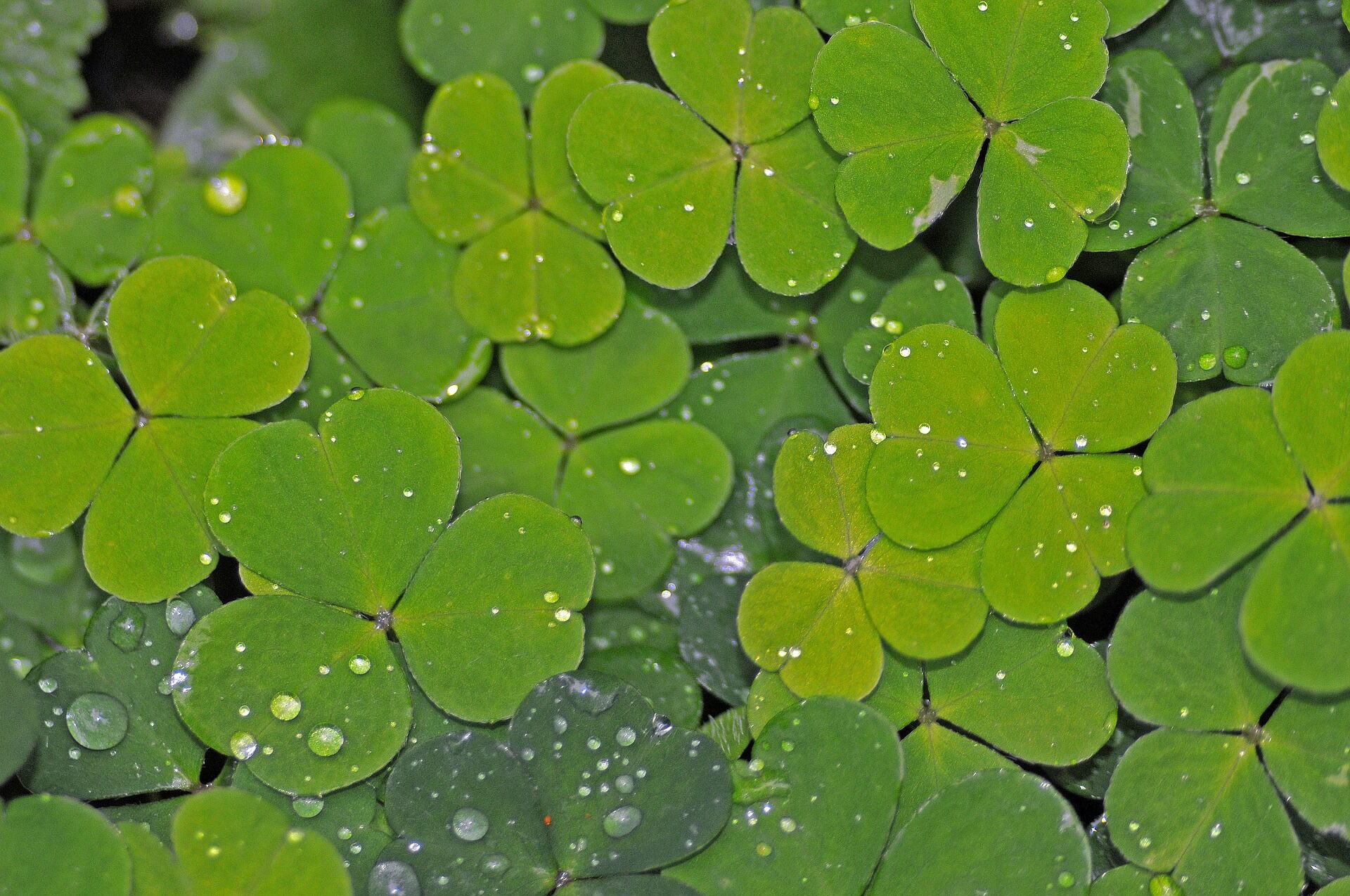
The shamrock — the three-leafed clover that has become the most universally recognized symbol of Ireland and of St. Patrick’s Day — is said to have been used by Patrick himself as a teaching aid. According to historical legend, Patrick used the shamrock to explain the Christian doctrine of the Holy Trinity to the pagan Irish: three leaves on a single stem, three persons — Father, Son, and Holy Spirit — in a single God. The story is simple, elegant, and perfectly suited to a missionary explaining an abstract theological concept to a people with no prior Christian framework.
The first written record of this story appears in 1726, though the tradition is likely older. What makes the shamrock particularly interesting as a symbol is that it may carry a deeper resonance with the pre-Christian Irish than the Christian explanation alone suggests. Celtic religious tradition was rich with the symbolism of the number three — many Celtic deities appeared in triads, and the cyclical structure of existence (birth, death, and rebirth or afterlife) was a fundamental concept in Celtic spirituality. Patrick, by all accounts a sophisticated and culturally attentive missionary, may have chosen the shamrock precisely because it spoke to both traditions simultaneously.
Today the shamrock is not merely a religious symbol but the primary emblem of Irish national identity — worn on lapels by Irish presidents, carried by Irish sports teams, and reproduced on everything from pub signs to passport covers. The transformation of a missionary’s teaching tool into a national symbol is one of the more remarkable journeys in the history of symbolism.
2. Driving the Snakes from Ireland
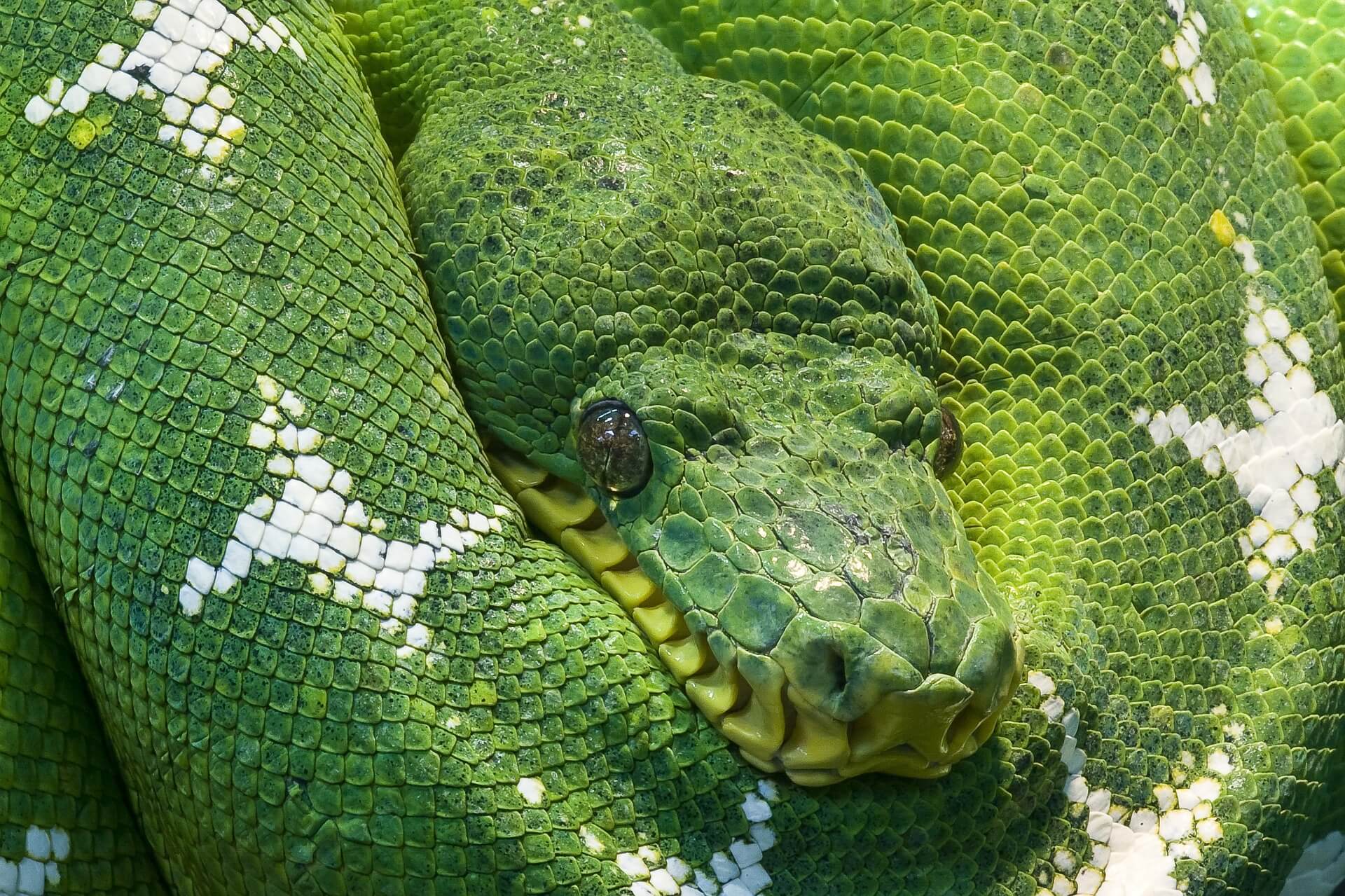
One of the most persistent legends associated with Saint Patrick is that he drove all the snakes from Ireland — that after a 40-day fast on a hilltop (almost certainly Croagh Patrick in County Mayo, still a site of annual pilgrimage), he was attacked by snakes and banished them entirely from the island. The legend is vivid, dramatic, and geographically impossible.
Ireland has never had native snakes. The island was separated from Britain and Europe by rising sea levels after the last Ice Age before snakes could colonize it naturally, and the fossil record contains no evidence of snakes ever having lived in Ireland. Patrick did not drive out snakes because there were no snakes to drive out.
The symbolic interpretation is considerably more interesting. In early Christian iconography and in the biblical tradition that Patrick would have known, snakes represented evil, paganism, and the devil — drawing on the Genesis narrative of the serpent in Eden. The “snakes” that Patrick drove from Ireland are almost universally understood by scholars to represent the pagan beliefs and practices that his missionary work displaced. The legend is a metaphor for the Christianization of Ireland, expressed in the vivid symbolic language of a culture that understood religious transformation as a battle between light and darkness.
Croagh Patrick — the mountain in County Mayo where the fasting and the snake legend are set — remains one of the most important pilgrimage sites in Ireland. On Reek Sunday (the last Sunday in July), tens of thousands of pilgrims climb the mountain, many barefoot, in one of the most striking acts of public religious devotion in contemporary Europe. If you are traveling in Ireland in late July, the pilgrimage is extraordinary to witness.
3. The Blarney Stone — Eloquence, Flattery, and a Precarious Castle Parapet
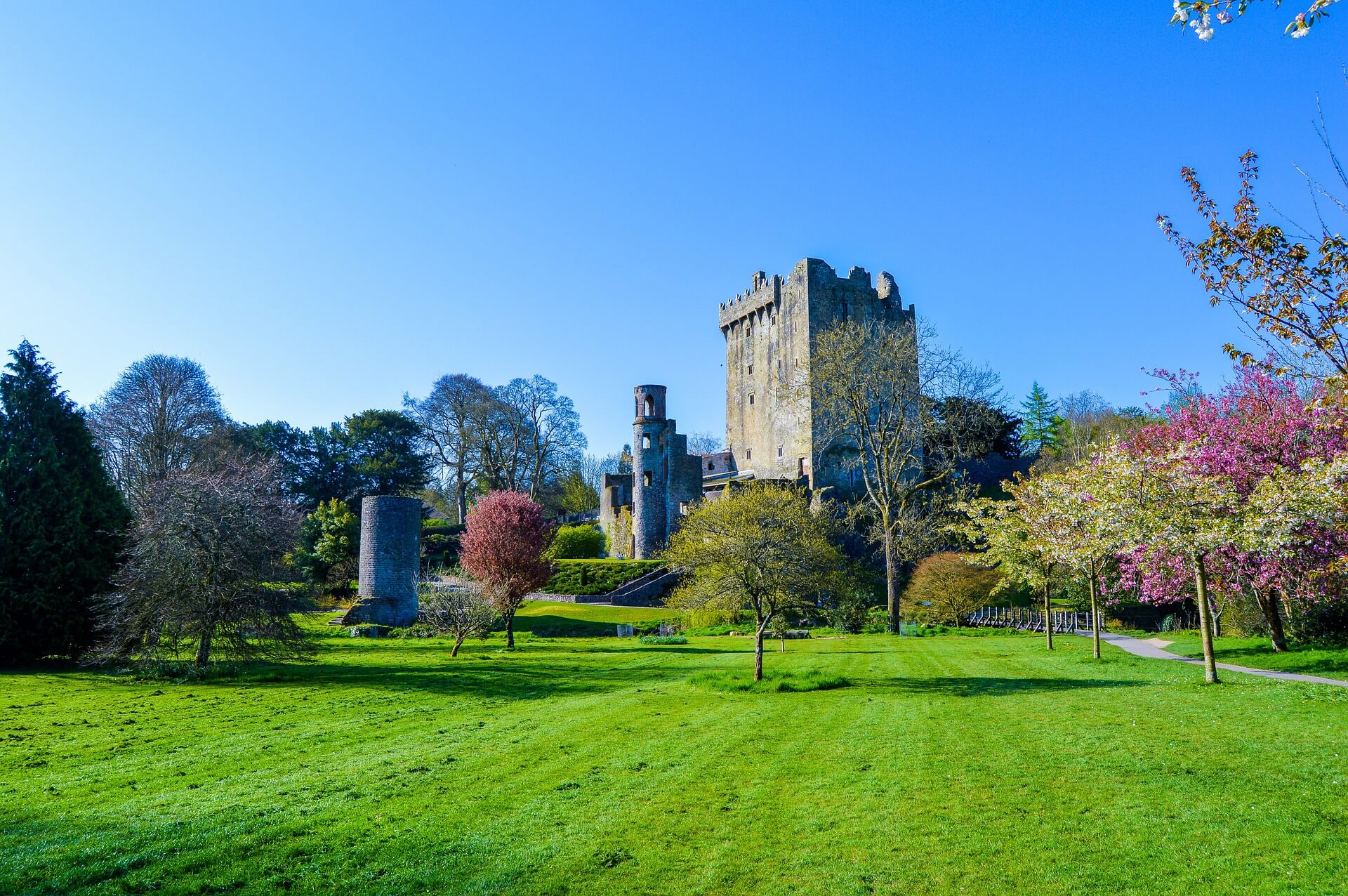
The Blarney Stone is one of Ireland’s most visited tourist attractions and one of its most genuinely ancient legends. Built into the battlements of Blarney Castle near Cork — a 15th-century tower castle in excellent preservation — the stone is said to confer upon anyone who kisses it the gift of eloquence: the ability to speak persuasively, convincingly, and with a certain creative relationship to the literal truth.
The most widely told origin story involves Cormac Laidir MacCarthy, the builder of the current Blarney Castle, and the goddess Clíodhna — a figure from Irish mythology associated with beauty and the otherworld. MacCarthy, facing a lawsuit he feared losing, appealed to Clíodhna for help. She instructed him to kiss the first stone he found on his way to court. He did so, argued his case with extraordinary eloquence, and won. The stone was subsequently incorporated into the castle’s construction, and the tradition of kissing it for the gift of persuasive speech has continued ever since.
The word blarney has passed into the English language as a result — meaning flattering or coaxing speech, eloquence deployed in the service of a not-entirely-truthful argument. It is used in English wherever Irish-influenced English is spoken, a linguistic legacy of the legend.
The physical act of kissing the Blarney Stone is more demanding than most tourists anticipate. The stone is set into the outer face of the castle’s battlements near the top of the tower; to kiss it, visitors must lie on their back, grip iron railings, and lean backwards over the edge of the parapet while being supported by a castle attendant. It is safe, it is managed, and it is done by hundreds of thousands of people every year — but it is genuinely vertiginous and worth preparing for mentally.
4. The Original Color Was Blue, Not Green
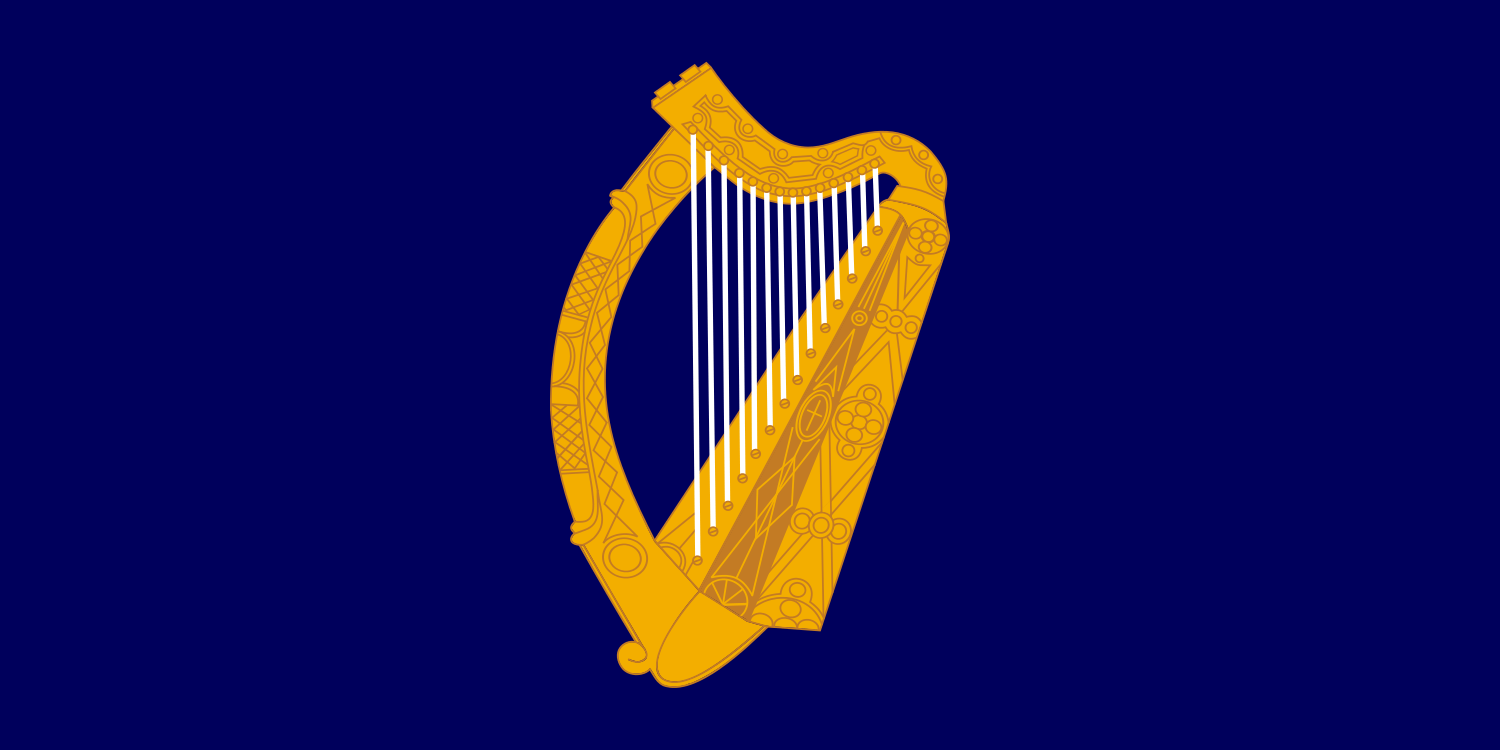
The identification of St. Patrick’s Day with the color green is so total and so universal that the existence of an earlier, different color feels almost impossible. Yet the historical record is clear: the color originally associated with Saint Patrick was blue — a particular shade known as “St. Patrick’s Blue,” a light sky blue that appears in early depictions of the saint and on the oldest heraldic representations of Ireland.
The Presidential Standard of Ireland — the flag of the Irish President, distinct from the national tricolor — still uses this original St. Patrick’s Blue as its background, with the golden harp of Ireland at its center. It is one of the few surviving official uses of the original color and a direct visual link to the pre-green tradition.
The shift to green happened gradually and for political as much as religious reasons. The shamrock became a symbol of Irish nationalist sentiment in the late 18th century, particularly in the context of the 1798 United Irish Rebellion — a period when wearing green was an act of political defiance against British rule. The association of green with Irish identity deepened through the 19th century as the Irish diaspora in America adopted it as a marker of ethnic identity. By the time St. Patrick’s Day parades were becoming major events in American cities, green had entirely displaced blue as the color of the day.
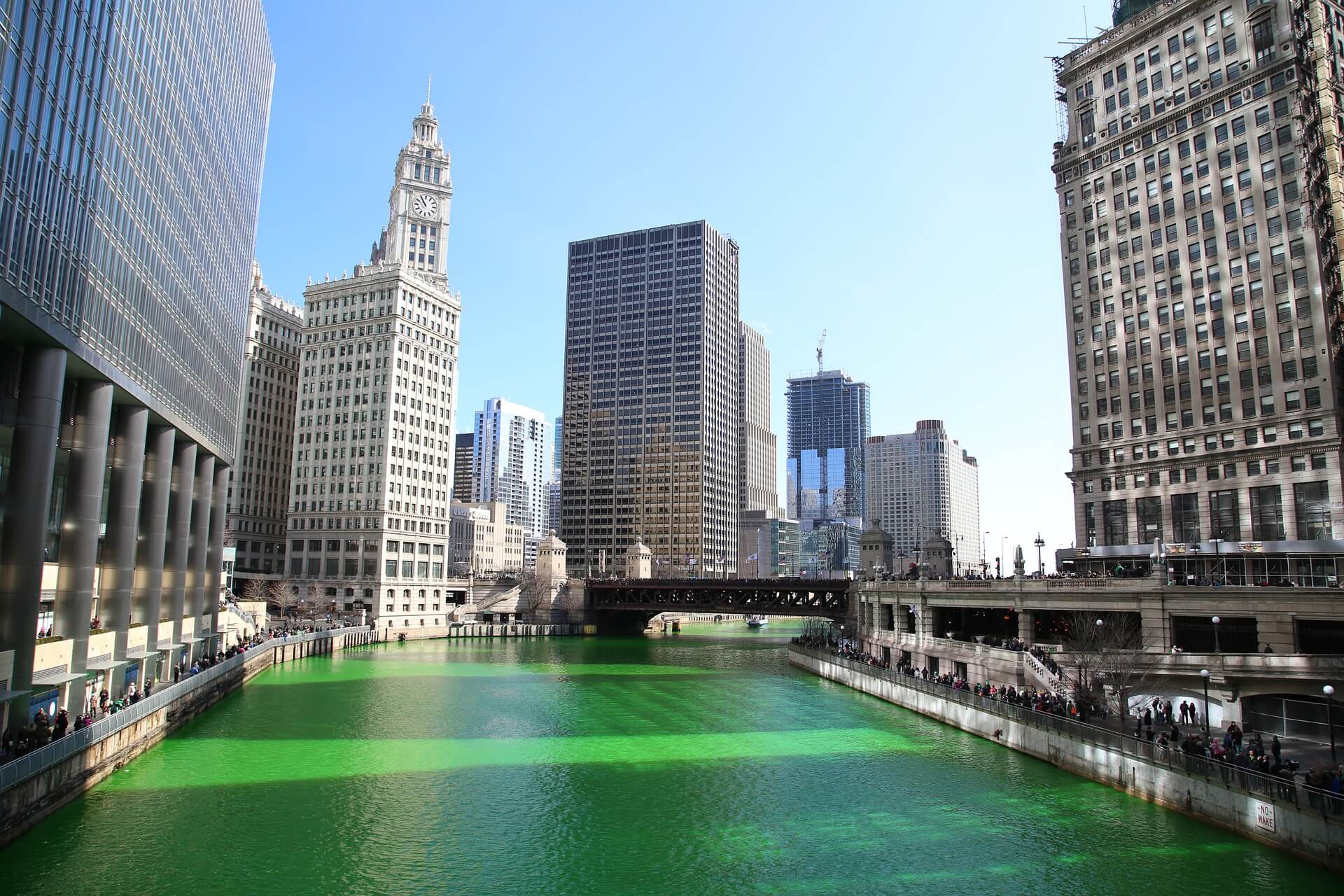
The Chicago River, dyed green every year since 1962 — a tradition begun by a plumber’s union business manager who noticed that dye used to trace illegal sewage dumping turned the river green — has become one of the most visually spectacular expressions of the color’s dominance. Forty pounds of orange powder dye turns the river a vivid emerald green for several hours each March 17th.
5. St. Patrick’s Day Celebrates His Death
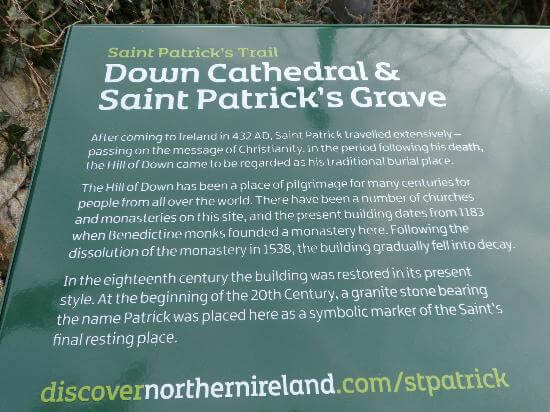
March 17th is not Saint Patrick’s birthday. It is the traditional date of his death — 461 AD — and the feast day celebrates his passing into eternal life in the Catholic tradition rather than his entry into this one. In the liturgical calendar of the Catholic Church, a saint’s feast day is almost always the date of their death — the day of their birth into heaven — rather than their earthly birthday. Patrick is therefore being honored on the anniversary of his death, a fact that strikes most people encountering it for the first time as a somewhat counterintuitive basis for a global party.
The theological logic is consistent: in Catholic tradition, death for a person of faith is not an ending but a beginning — the transition to eternal life. Celebrating a saint’s feast day on the date of their death is celebrating their entry into the fullness of the life they devoted themselves to. The irony that this particular death-day has become one of the most life-affirming, least solemn celebrations in the global calendar is entirely in keeping with the Irish character.
Patrick’s grave is traditionally held to be at Down Cathedral in Downpatrick, County Down in Northern Ireland — a site shared, according to tradition, with the graves of Saint Brigid and Saint Columba, making it one of the most significant early Christian sites in Ireland. A large granite slab marks the reputed burial site. The cathedral itself, parts of which date to the 12th century, is well worth visiting for anyone traveling in Northern Ireland.
6. The Bars Were Closed on St. Patrick’s Day in Ireland
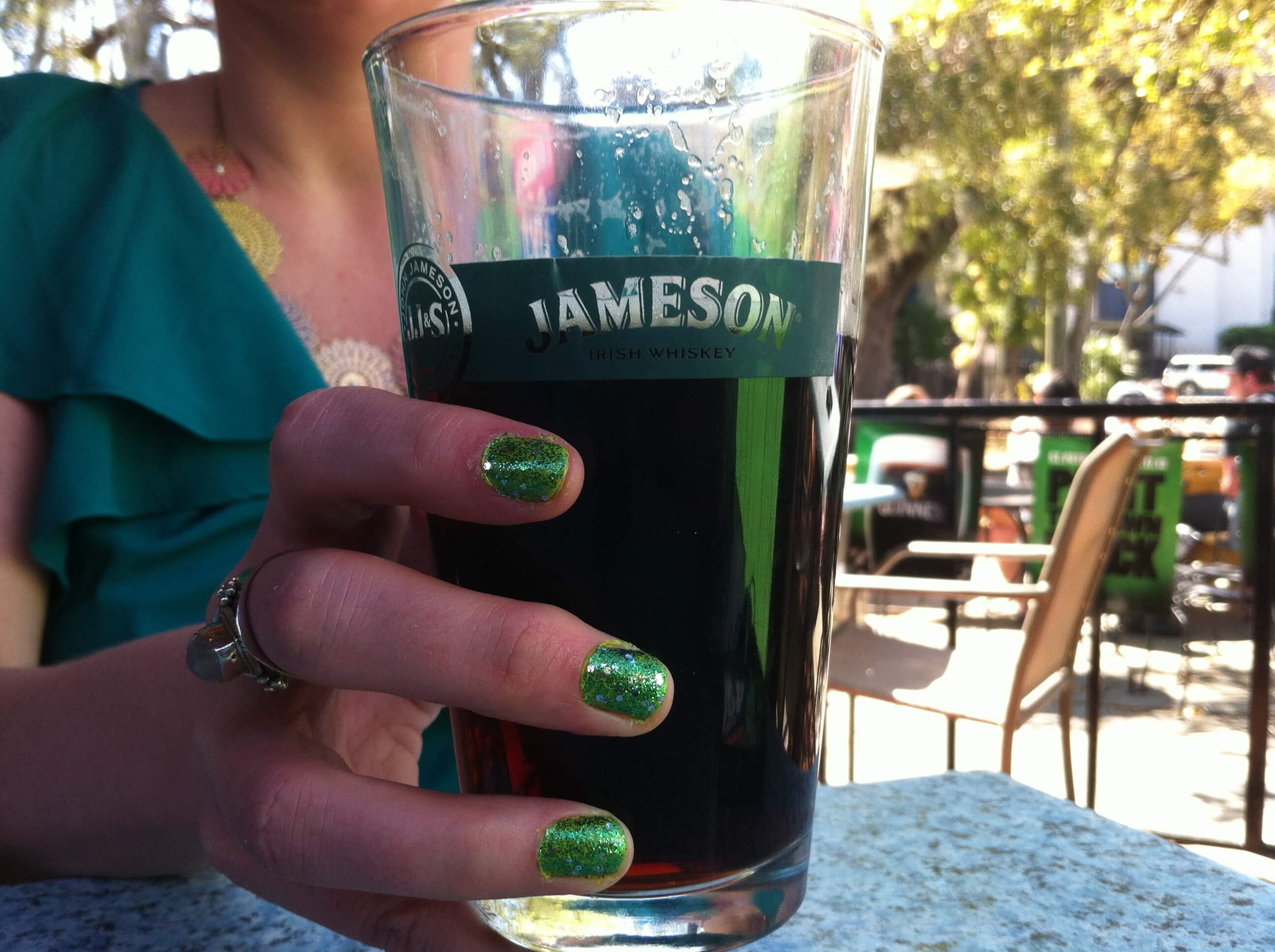
This is the fact that produces the most disbelief among people who associate St. Patrick’s Day primarily with drinking: for most of the 20th century, the pubs of Ireland were legally closed on March 17th. Not open with restrictions. Closed. By law.
The reason was the holiday’s position within the Catholic liturgical calendar. St. Patrick’s Day falls during Lent — the 40-day period of fasting and abstinence before Easter — and in a country where the Catholic Church’s influence over civil life was pervasive, the combination of a religious feast day and the Lenten prohibition on indulgence meant that public drinking was considered deeply inappropriate. The Irish Intoxicating Liquor Act of 1927 explicitly prohibited the opening of pubs on St. Patrick’s Day, codifying what had previously been a social norm into law.
The only exception for many decades was the Royal Dublin Society’s annual dog show, which was held on St. Patrick’s Day and whose rules permitted alcohol service — a loophole that made the dog show, briefly, the most alcohol-focused event in the Irish calendar.
It was not until 1961 that the Irish government repealed the St. Patrick’s Day pub closure law, finally aligning the legal reality of the holiday in Ireland with what had long been the practice among the Irish diaspora in America, where March 17th had been a drinking occasion for over a century. The breweries, unsurprisingly, greeted the change with enthusiasm.
7. The Parade Is an American Invention
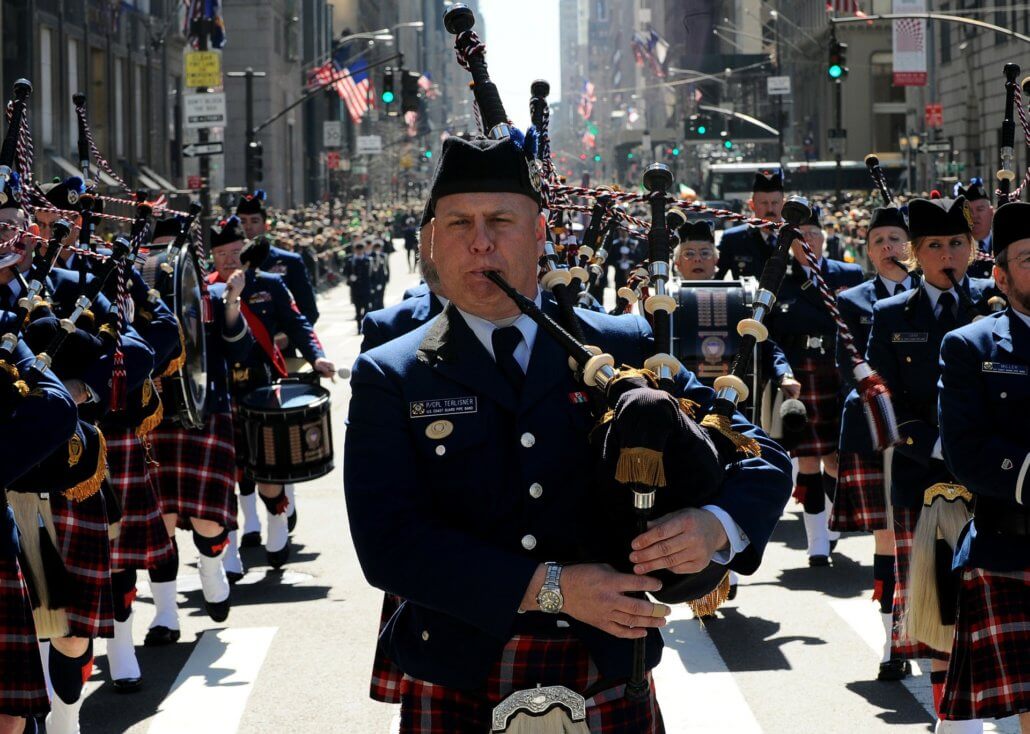
The St. Patrick’s Day parade — now held in cities across the world and in Ireland itself as a major national celebration — did not originate in Ireland. The first recorded St. Patrick’s Day parade took place in New York City in 1762, when Irish soldiers serving in the British Army marched through the streets of lower Manhattan to the sound of Irish music. Ireland itself did not hold a formal St. Patrick’s Day parade until 1903, and the large-scale national celebration centered on Dublin did not develop until the latter half of the 20th century.
The American parade tradition grew from the experience of the Irish diaspora — millions of Irish emigrants and their descendants who used March 17th as an occasion to assert their identity, demonstrate their numbers, and celebrate a heritage that the hardships of emigration had made more precious rather than less. The New York parade, now one of the largest in the world with approximately 150,000 marchers and two million spectators, has been held every year since 1762 without interruption — including during the American Civil War and both World Wars.
Boston, Chicago, Savannah, and Philadelphia all have major parade traditions of their own. Chicago’s river-dyeing ceremony, begun in 1962 and now watched by hundreds of thousands of people along the riverbanks, has become one of the most visually spectacular St. Patrick’s Day traditions anywhere in the world. The American invention of the modern St. Patrick’s Day parade was then re-exported to Ireland, where the Dublin parade now draws hundreds of thousands of participants and spectators and is broadcast internationally.
Celebrating St. Patrick’s Day in Ireland
There is no better place to experience St. Patrick’s Day than in Ireland itself — and specifically in Dublin, where the national celebration has grown into a multi-day festival of music, culture, and parade that transforms the city entirely for the days surrounding March 17th.
The Dublin St. Patrick’s Festival runs for several days around the 17th and includes the main parade through the city center, outdoor concerts, cultural events, and the general transformation of the city’s pub and restaurant scene into something even more animated than usual. The parade route runs through the heart of the city; arriving early to secure a viewing spot on O’Connell Street or Dame Street is strongly recommended.
Beyond Dublin, smaller towns and villages throughout Ireland hold their own parades and celebrations with a local character and intimacy that the large city events cannot replicate. The parade in a small Irish town — a brass band, the local GAA team, the community groups, the schoolchildren, and the entire population of the surrounding area lining the main street — is one of the most genuinely Irish experiences available.
For everything you need to plan a St. Patrick’s Day trip to Ireland, see our full guides below.
👉 Ireland Travel Guide: Dublin, the Wild Atlantic Way, Cork & everything you need for Ireland →
👉 Dublin City Guide: Trinity College, the Guinness Storehouse, Temple Bar & Dublin’s best experiences →
👉 What to Eat in Dublin: Irish stew, soda bread, the pub lunch & Dublin’s food scene →
👉 Where to Stay in Dublin: The best Dublin neighborhoods and hotels for St. Patrick’s Day and beyond →
Thanks for the informative article! Coming from Singapore, where St Patrick’s Day generates some buzz but is not celebrated by the general public, I’m finally getting some context on what the day is about. It’ll definitely mean something different to me when it comes again next year 🙂
Glad you enjoyed it, Aaron! Thanks!
I actually did some reading on the holiday and a lot of it is made up of stories and myths. St. Patrick was actually born in Britain and was of Italian decent. Much of the Roman Catholic church at one point was made up of Italians. It is funny because not many people know this and the ones who do thing it should be celebrated by and for the Italians, not the Irish. Either way, I enjoyed the article! I actually learned a bit on history.
Thanks Britanica!
I know a little things about St. Patrick’s Day, upon reading the caption I was curious to read through to prove you wrong that I know a few things out of the seven.. But you know what? I didn’t know anything about the 7 things mentioned here. Lol. Indeed an informative and educative piece. Thanks so much for sharing, I’ve learnt some new things about St. Patrick’s Day. It’s great!
Thanks Francesa!