Copenhagen is often described as compact and easy to navigate — and that description is accurate as far as it goes. The city is physically manageable, the public transport is excellent, and the historic center can be walked end to end in an afternoon. But compactness is not the same as simplicity, and the travelers who leave Copenhagen most satisfied are almost always the ones who gave the city more time than they thought it needed.
Copenhagen is a city of daily rhythm rather than headline attractions. Its appeal is not primarily in monuments or museums — though it has both — but in the quality of an ordinary Copenhagen day: the morning pastry from a neighborhood bakery, the canal-side lunch in Nyhavn, the afternoon cycling through Frederiksberg, the evening in a natural wine bar in Vesterbro. These pleasures are real and they are specifically Copenhagen, but they reveal themselves through time rather than through a checklist. Trying to compress them into too short a visit produces a visit that feels visually satisfying but experientially shallow.
This guide explains how long you actually need in Copenhagen, what changes at different time lengths, and how to choose the right stay based on how you travel.
For full Copenhagen planning, see our Copenhagen City Guide, our Copenhagen food guide, and our Copenhagen accommodation guide. For broader Denmark planning, see our Denmark travel guide.
👉 Copenhagen City Guide: Neighborhoods, museums, Nyhavn & everything to do in Copenhagen →
👉 Denmark Travel Guide: Copenhagen, Aarhus & everything you need to plan your Denmark trip →
Why Copenhagen Is Easy to Misjudge
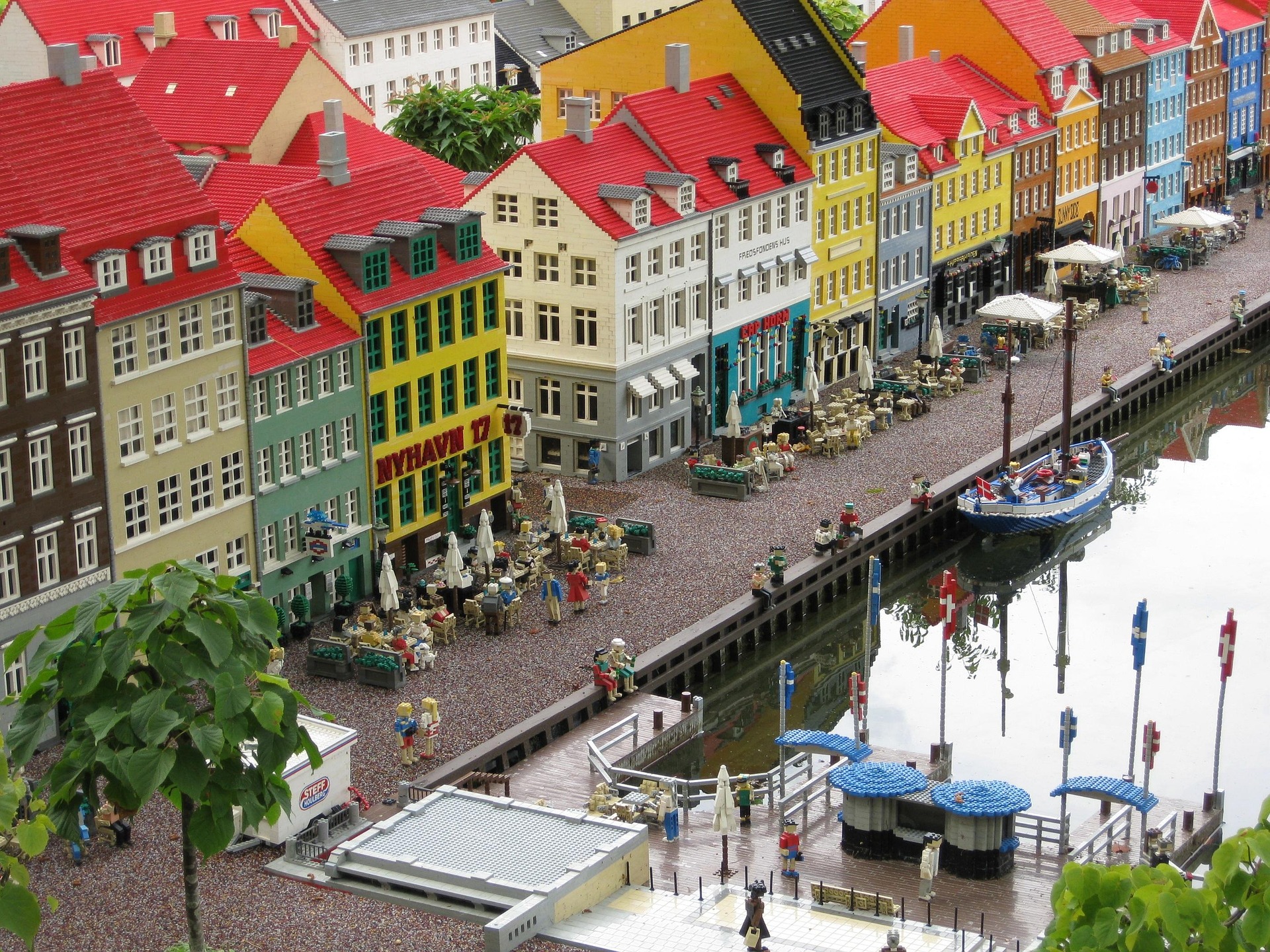
Copenhagen does not overwhelm at first glance. There is no Eiffel Tower moment, no single monument that announces the city’s greatness. What Copenhagen offers instead is a sustained quality of life — in its architecture, its food, its public spaces, and its people — that accumulates over days rather than announcing itself in hours.
The city’s neighborhoods are the key to understanding why time matters. Indre By (the historic center), Nyhavn (the famous canal), Vesterbro (the creative south), Nørrebro (the multicultural north), Frederiksberg (the elegant west), and the Meatpacking District each have a distinct character, a distinct food scene, and a distinct reason to spend time there. Visitors who spend their entire stay in Indre By and Nyhavn see the most photographed version of Copenhagen but miss the city that Copenhageners actually inhabit.
The food culture is the other factor that rewards time. Copenhagen is one of the finest food cities in Europe — the city that gave the world New Nordic cuisine, that has more Michelin stars per capita than almost any other, and that produces the finest pastries (the cardamom bun, the kouign-amann, the rye bread open sandwich) on the continent. But eating well in Copenhagen is not something that happens automatically — it requires planning, spacing, and the willingness to make meals a central part of the day rather than a fuel stop between sights.
One Day in Copenhagen: Possible, But Limited
A one-day visit to Copenhagen is workable for long layovers, cruise stops, or travelers already deeply familiar with Scandinavia — but it is best understood as an introduction rather than an experience. With one day, you can walk through Indre By, see the colored facades of Nyhavn, visit one museum (the National Museum or the SMK National Gallery are the best single-day choices), and have one genuinely good meal. That is a reasonable afternoon and evening, and it gives you a clear sense of the city’s physical beauty and atmosphere.
What one day cannot give you is any sense of Copenhagen’s depth. You will not have time to cross into Vesterbro or Nørrebro. You will not experience the morning bakery ritual — the queue at Juno the Bakery or Hart Bageri for a cardamom bun with a flat white — that is one of the most specifically Copenhagen experiences available. You will not have the leisure to sit at a canal-side table and let the city come to you, which is ultimately how Copenhagen is best understood.
A one-day visit often leaves travelers wanting more — which is either a reason to return or a reason to have stayed longer in the first place.
Two Days in Copenhagen: A Functional Visit
Two days allows Copenhagen to open up slightly and begins to feel like a genuine visit rather than a transit stop. With two days, you can split sightseeing across two mornings, space your meals more comfortably, and reach at least one neighborhood outside the historic center.
A well-structured two-day Copenhagen visit looks something like this: Day one covers the historic center — Indre By, the Rosenborg Castle and its extraordinary collection of Danish Crown Jewels, the Latin Quarter, and the waterfront around Nyhavn for an evening drink. Day two crosses into a different neighborhood — Vesterbro and the Meatpacking District for lunch and the city’s most creative restaurant scene, or Nørrebro for the Assistens Cemetery (where Hans Christian Andersen and Søren Kierkegaard are buried, and where Copenhageners sunbathe and picnic on warm afternoons) and the independent cafés of Jægersborggade.
Two days is the minimum timeframe where Copenhagen starts to feel intentional rather than rushed. It works well for travelers on tight European itineraries or those pairing Copenhagen with another Scandinavian city. Even at two days, resist the temptation to overpack each day — Copenhagen’s pleasures are best experienced at a pace that allows for spontaneity and lingering.
👉 Copenhagen City Guide: Everything to see and do across Copenhagen’s neighborhoods →
👉 What to Eat in Copenhagen: Smørrebrød, pastries, New Nordic & the best Copenhagen restaurants →
Three Days in Copenhagen: The Sweet Spot for Most Travelers
For most visitors, three days is the ideal length of stay in Copenhagen. It is the timeframe at which the city transitions from something you are seeing to something you are experiencing — when the bakery you went to on the first morning becomes a routine on the third, when the neighborhood you explored yesterday feels familiar today, when evenings slow naturally rather than being managed against a list.
Three days allows a logical geographic progression through the city. Day one covers the historic center and the royal Copenhagen — Rosenborg Castle, the Amalienborg Palace square, the Frederiksstaden neighborhood, and Nyhavn in the evening. Day two goes south and west — the Tivoli Gardens (one of the oldest amusement parks in the world and genuinely beautiful even for non-theme-park visitors), the Meatpacking District, Vesterbro’s café scene, and the outstanding Louisiana Museum of Modern Art if you’re willing to make the 35-minute train journey north along the coast (strongly worth it). Day three goes north — Nørrebro’s multicultural street life, the lakes that separate the inner city from the outer neighborhoods, Frederiksberg Park, and the afternoon winding down in the kind of unhurried café session that Copenhagen was made for.
Three days also gives you enough time to eat properly. Copenhagen’s food culture rewards spacing — a bakery breakfast, a smørrebrød (open-faced sandwich) lunch at one of the traditional lunch restaurants, an afternoon pastry, and a dinner at one of the city’s outstanding restaurants in the evening. Trying to compress all of this into one or two days is possible but exhausting; three days lets the food become part of the rhythm rather than a logistical challenge.
Four to Five Days in Copenhagen: For Deeper Exploration
Staying four or five days in Copenhagen works exceptionally well for certain travel styles and opens up the city in ways that shorter stays cannot. The key additional experiences that become possible with more time are the day trips, the deeper neighborhood exploration, and the food experiences that require advance planning and spacing.
The Louisiana Museum of Modern Art — 35 minutes north of Copenhagen by train, in a spectacular building on the coast of the Øresund strait — is one of the finest modern art museums in Europe and is best experienced as a half-day excursion rather than a rushed stop. The collection (Giacometti, Warhol, Francis Bacon, Asger Jorn) is extraordinary; the setting, with sculpture gardens descending to the water and views across to Sweden, is magnificent. A longer stay makes this an obvious addition rather than an anxious decision.
Kronborg Castle in Helsingør — the castle immortalized as Elsinore in Shakespeare’s Hamlet, 45 minutes north by train — is another excellent half-day trip that rewards having time to spare in Copenhagen. The castle itself is one of the finest Renaissance fortresses in northern Europe, and the small town of Helsingør has a good food scene of its own.
Within the city, four to five days allows genuine immersion in Nørrebro and Østerbro — the two neighborhoods that feel most authentically Copenhagener and least tourist-facing. Nørrebro’s Jægersborggade, with its concentration of independent roasters, natural wine bars, and small restaurants, is the street that most clearly represents how Copenhagen actually eats and drinks. Østerbro’s residential calm, its harbor baths (outdoor swimming pools in the harbor, open in summer and used year-round by the hardiest Copenhageners), and the Fælledparken park give it a quiet, lived-in quality that rewards slow exploration.
For food-focused travelers specifically, four days is the ideal minimum. The city’s best restaurants require advance reservations — sometimes weeks ahead — and spacing multiple serious dinners across a four-day visit allows each one to be savored rather than rushed. Kadeau, Geranium (three Michelin stars), Relæ, and the counter at Bæst (wood-fired pizza and charcuterie from a chef with a Noma background) are all worth planning around.
👉 Where to Stay in Copenhagen: The best Copenhagen neighborhoods and hotels for every budget →
👉 Denmark Travel Guide: Planning a broader Denmark trip? Everything you need is here →
How Travel Style Changes the Ideal Length
Food-Focused Travelers
Copenhagen is one of the great food cities of Europe — the birthplace of New Nordic cuisine, a city of extraordinary bakeries, and a restaurant scene operating at the highest international level. Food culture here unfolds best over time: the morning bakery ritual, the lunch smørrebrød tradition, the evening restaurant scene each deserve their own attention. Rushing meals or leaving them unplanned is the single biggest mistake food-focused travelers make in Copenhagen.
Ideal stay: 3–4 days minimum
Museum and Culture Travelers
Copenhagen’s museum offering is strong without being overwhelming. The National Museum (Danish history from the Stone Age to the present, free entry), the SMK National Gallery (Danish and international art, free for permanent collection), the Louisiana Museum of Modern Art (day trip), and the Design Museum Denmark are the core. Three days covers these comfortably without museum fatigue.
Ideal stay: 3 days
Walk-and-Café Travelers
If your travel style centers on walking, coffee, pastries, and the texture of daily life in a beautiful city, Copenhagen is close to perfect. The city is made for this kind of travel — flat enough to cycle everywhere, dense enough in neighborhood interest to reward aimless wandering, and possessed of a café culture of extraordinary quality. This style of travel extracts the most from Copenhagen and benefits most from additional time.
Ideal stay: 4–5 days
Fast-Paced Sightseers
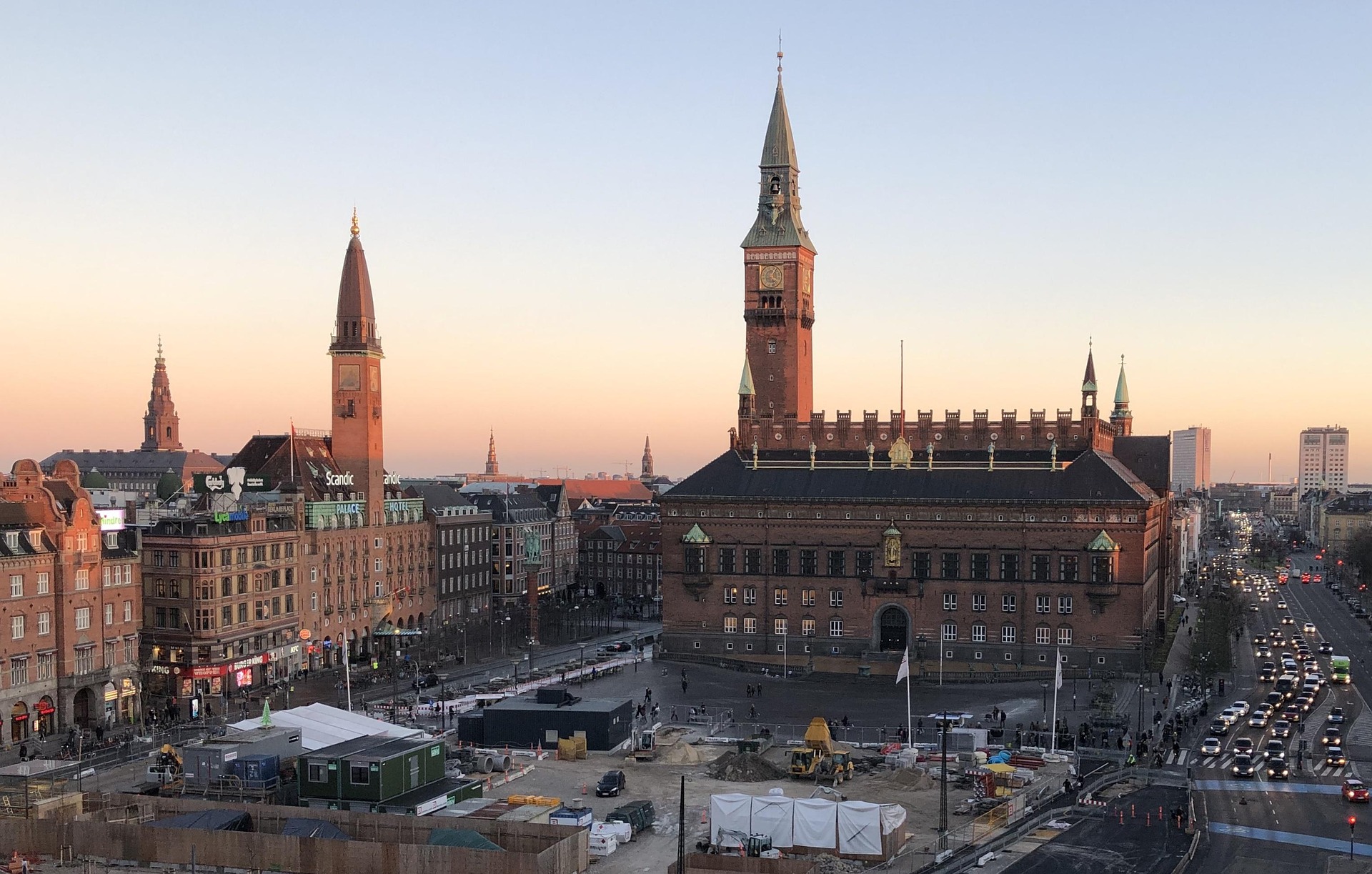
If you prefer moving efficiently between major attractions, Copenhagen is better suited to a shorter stay. The city’s headline sights — Nyhavn, Rosenborg Castle, Tivoli, the Little Mermaid statue — can be covered in two focused days. Note that the Little Mermaid, while iconic, is a small bronze statue on a rock and consistently disappoints visitors who have built it up as a major attraction; Rosenborg Castle and the Louisiana Museum are significantly more rewarding uses of limited time.
Ideal stay: 2–3 days
Common Mistakes When Estimating Time in Copenhagen
Treating Copenhagen Like a Checklist City
Copenhagen does not reward the approach of moving efficiently between attractions and ticking them off. The city’s appeal is cumulative and experiential — it builds over days. Visitors who spend their Copenhagen time rushing between Nyhavn, the Little Mermaid, Tivoli, and Rosenborg in a single day typically leave feeling they have seen Copenhagen without having experienced it.
Ignoring Neighborhood Spread
While the city is compact, meaningful experiences are distributed across neighborhoods that each require time to reach and absorb. Indre By and Nyhavn are the most visited and the least representative of how Copenhageners actually live. Vesterbro, Nørrebro, and Frederiksberg are where the city’s real character lives, and reaching them requires at least a half-day each.
Underestimating Food Planning
Copenhagen’s best restaurants require advance reservations, sometimes weeks ahead. Arriving without restaurant plans and expecting to walk into a good dinner is increasingly difficult, particularly in summer. Build meal planning into your Copenhagen preparation — it makes a significant difference to the quality of the experience.
Rushing to Add Another City
Some travelers assume they need to leave Copenhagen after two days for variety. In practice, the variety comes from neighborhoods rather than distance. Moving to Aarhus after two Copenhagen days when you haven’t yet seen Nørrebro or Vesterbro is a common itinerary mistake that sacrifices depth for the appearance of breadth.
Should You Stay Longer or Add Another Danish City?
This is one of the most important decisions when planning a Denmark trip. The answer depends almost entirely on how much total time you have and what kind of traveler you are.
Stay longer in Copenhagen if: you enjoy slower travel, food is a central priority, you dislike frequent packing and transit, or you have not yet explored the outer neighborhoods of the city. With five or more days in Copenhagen, you will not run out of things to do — you will simply discover different and less obvious things.
Add another city if: you have more than five total days in Denmark, you want contrast in pace and scale, or you are specifically interested in Aarhus (Denmark’s excellent second city, with a strong food scene and the outstanding ARoS art museum) or the Danish countryside. Aarhus is 3 hours by train from Copenhagen and works well as a two-night addition to a longer Denmark trip.
In most cases, two cities maximum works best for a Denmark trip of under two weeks. Copenhagen paired with Aarhus, or Copenhagen with a day trip to Helsingør and Kronborg, covers the full range of what Denmark offers without the fatigue of constant movement.
Our Recommendation
For most travelers visiting Copenhagen for the first time: three full days is the right answer. It covers the essential sights without rushing, allows time for the food culture to unfold properly, and gives you enough time in at least two or three distinct neighborhoods to understand what makes Copenhagen one of the finest cities in Europe.
If you have flexibility: extend to four days. The Louisiana Museum alone justifies an extra day, and the additional time in Nørrebro and Vesterbro will produce the memories that three-day visitors wish they had made.
If you are truly short on time: two well-planned days in Copenhagen is a genuinely good experience. Prioritize Rosenborg Castle over the Little Mermaid, eat at least one proper smørrebrød lunch, and spend an evening in Vesterbro rather than Nyhavn. You will leave wanting to come back — which is perhaps the best thing any city can make you feel.
👉 Copenhagen City Guide: The complete guide to Copenhagen’s neighborhoods, museums & experiences →
👉 What to Eat in Copenhagen: Smørrebrød, cardamom buns, New Nordic & the best Copenhagen restaurants →
👉 Where to Stay in Copenhagen: The best Copenhagen neighborhoods and hotels for every budget →
For our full Denmark coverage, see our Denmark travel guide.