Lisbon is one of Europe’s most rewarding cities for a short trip, but it’s also easy to approach incorrectly. Many first-time visitors underestimate how much the city’s layout, hills, and neighborhood structure affect how you experience it. Trying to rush between too many areas or failing to plan around geography can turn what should be an enjoyable trip into something unnecessarily tiring.
With three days in Lisbon, you have just enough time to experience the city properly — not by trying to see everything, but by understanding how the neighborhoods connect and building your days around that flow. This itinerary is designed to help you move efficiently, eat well, and experience Lisbon in a way that feels natural rather than rushed.
For deeper planning, you can reference:
Lisbon City Guide
What to Eat in Lisbon
Where to Stay in Lisbon
These will help you go deeper into specific areas, food, and accommodation choices.
How to Structure 3 Days in Lisbon
Lisbon is a city of neighborhoods rather than a single central core. The key to planning your time is grouping areas logically so you’re not constantly moving up and down hills or crossing the city unnecessarily.
This itinerary is structured as:
- Day 1: Baixa, Chiado, and Bairro Alto (orientation and core areas)
- Day 2: Alfama and historic Lisbon
- Day 3: Belém and a broader cultural perspective
This approach minimizes backtracking and allows you to experience the city progressively.
Day 1: Baixa, Chiado, and Bairro Alto
Your first day should focus on getting oriented and understanding Lisbon’s central layout. These neighborhoods are close together and relatively easier to navigate, making them ideal for your arrival day.
Start in Baixa, Lisbon’s downtown area. Unlike the rest of the city, Baixa is flat and organized in a grid pattern, which makes it the easiest place to begin. Walk through Praça do Comércio, one of Lisbon’s most recognizable squares, and spend time along the waterfront.
From there, move into Chiado. This area feels more refined, with a mix of shops, cafés, and historic buildings. It’s a good place to slow down, have coffee, and start adjusting to the pace of the city.
As the afternoon progresses, make your way toward Bairro Alto. During the day, this area is relatively quiet, but it becomes one of Lisbon’s main nightlife hubs in the evening.
Take your time moving between these neighborhoods. Lisbon is not a city where you want to rush. The experience comes from walking, stopping, and taking in the atmosphere.
For your first dinner, stay central. This reduces travel time and allows you to ease into the city. Focus on traditional dishes rather than trying to cover too much variety in one meal.
👉 Stay in central Lisbon (Baixa or Chiado) for the easiest access to everything www.booking.com
Choosing the right location on your first night makes the rest of your trip significantly smoother.
Day 2: Alfama and Historic Lisbon
Your second day should focus on Alfama, Lisbon’s oldest and most distinctive neighborhood.
Start early. Alfama is best experienced before it becomes too busy, and the morning light adds to the atmosphere. Unlike Baixa, this area is made up of narrow streets, steep climbs, and a layout that feels almost maze-like.
The goal here is not to follow a strict route, but to explore. Walk through the streets, take detours, and allow yourself to get slightly lost. This is how Alfama is meant to be experienced.
As you move through the neighborhood, stop at viewpoints (miradouros). These are one of Lisbon’s defining features, offering panoramic views of the city and river.
You can visit Castelo de São Jorge if you’re interested in history and views, but even without entering, the surrounding area is worth exploring.
In the afternoon, continue moving through Alfama toward Graça if you want to extend your exploration, or return toward central Lisbon for a more relaxed pace.
Food is an important part of this day. Alfama is a good place to experience more traditional Portuguese dishes in a setting that reflects the city’s history.
👉 Explore traditional Lisbon dishes here
For dinner, choose a place within Alfama or nearby neighborhoods. Staying local reduces unnecessary travel and allows you to experience the area more fully.
Day 3: Belém and Lisbon’s Cultural Side
Your third day shifts focus to Belém, which is slightly removed from central Lisbon but easy to reach by tram, taxi, or rideshare.
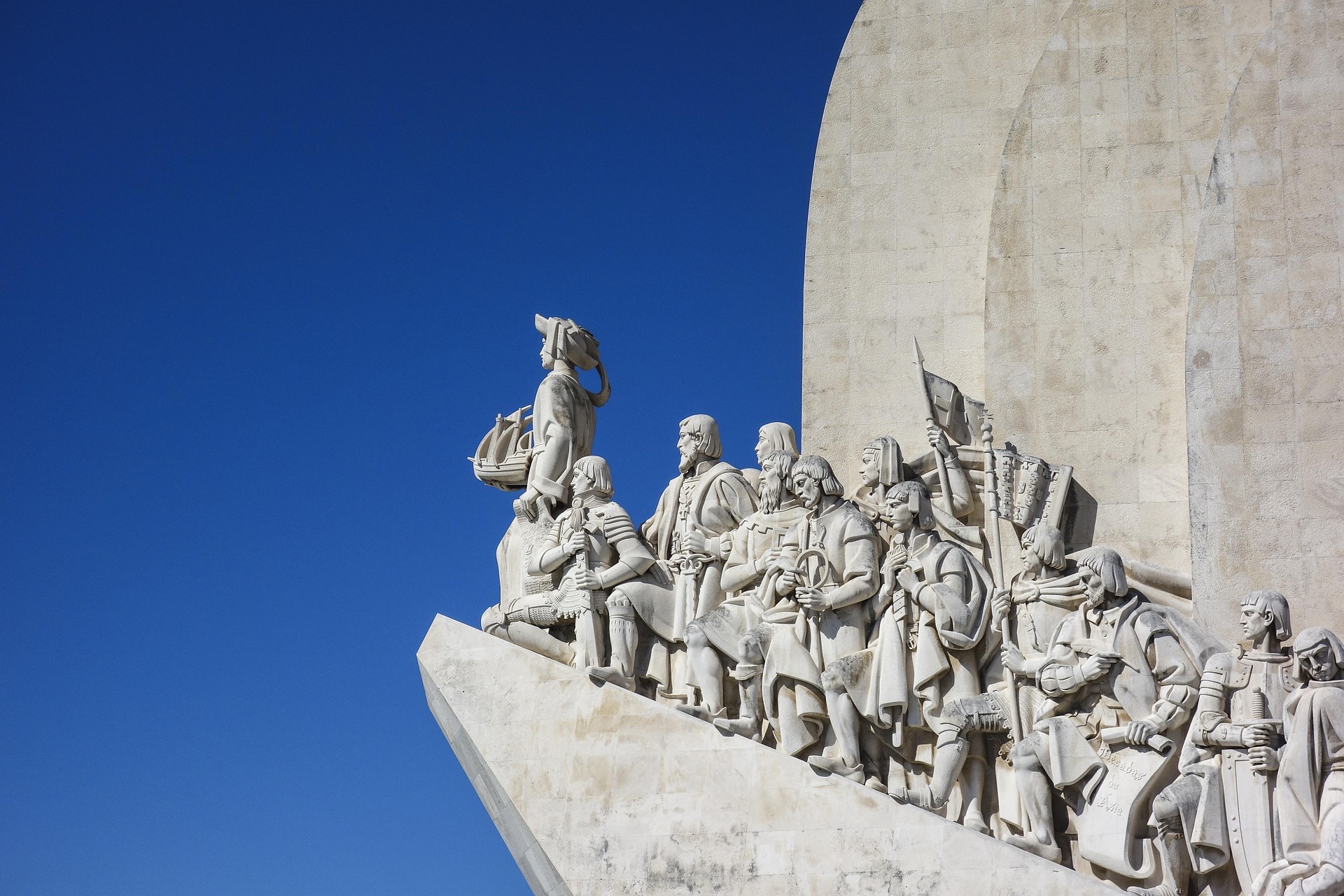
Belém represents a different side of Lisbon — one tied to Portugal’s maritime history and exploration.
Start your day by heading to Belém in the morning. This allows you to experience the area before peak crowds arrive.
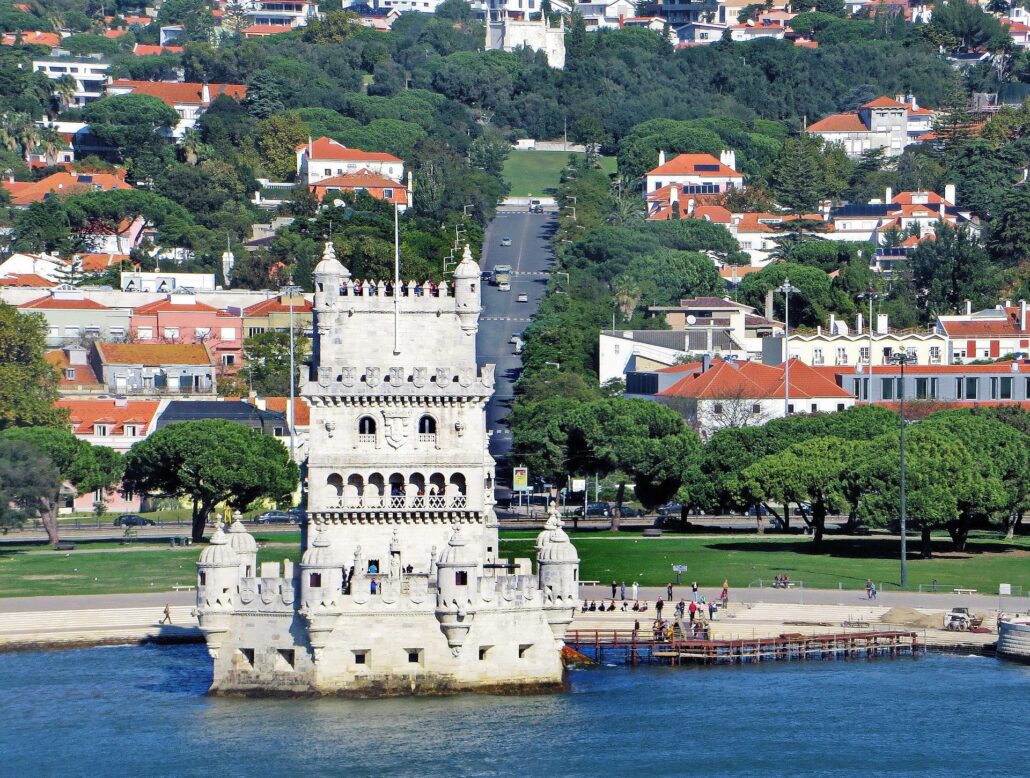
Spend time visiting Jerónimos Monastery and Belém Tower, but don’t rush between them. The value of this area comes from understanding the space and walking along the river.
One of the highlights of visiting Belém is trying pastéis de nata from Pastéis de Belém. This is one of Portugal’s most well-known food experiences and worth including in your itinerary.
👉 Try Lisbon’s most iconic foods here
After exploring Belém, return to central Lisbon in the afternoon. Use this time to revisit any areas you enjoyed or explore neighborhoods you may have missed.
This is also a good opportunity to slow down. Lisbon rewards travelers who build in time to sit at cafés, walk without a strict plan, and enjoy the city’s rhythm.
For your final evening, choose a neighborhood that felt most comfortable to you during your stay and have a relaxed dinner.
Where to Stay in Lisbon for 3 Days
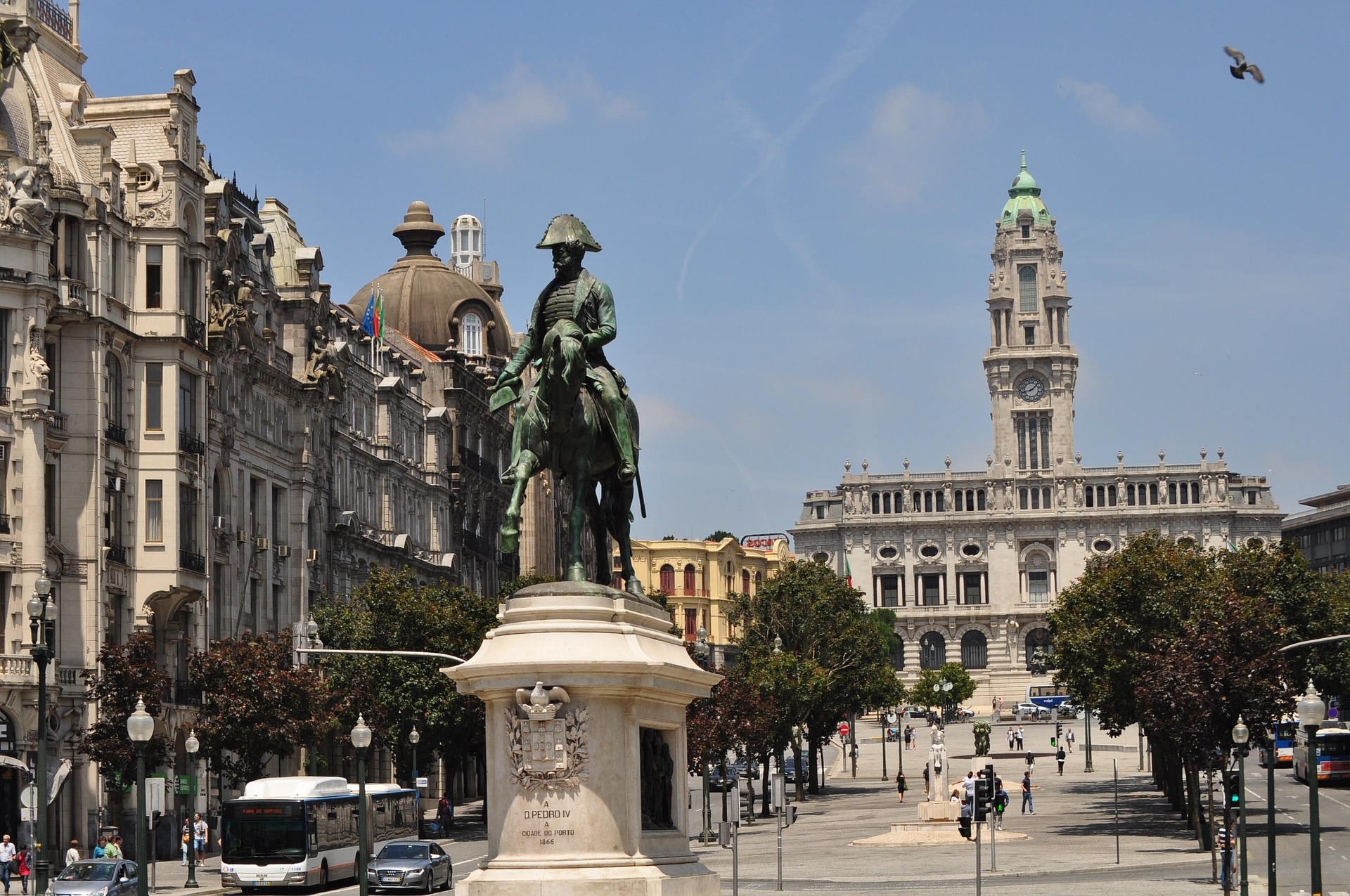
Where you stay in Lisbon has a major impact on your experience.
For most travelers, the best areas are:
- Baixa: central, flat, and well-connected
- Chiado: slightly more refined with easy access to everything
- Alfama: more atmospheric but less convenient
👉 Find the best areas to stay in Lisbon
If this is your first trip, staying in Baixa or Chiado is usually the best choice. It simplifies navigation and reduces daily travel time.
👉 Check hotel availability in Lisbon www.booking.com
Booking early is especially important during peak travel months.
Getting Around Lisbon
Lisbon’s transportation system is straightforward, but how you use it matters.
Walking works well within neighborhoods, but moving between them often requires transportation due to elevation changes.
Options include:
- Trams (iconic but often crowded)
- Metro (efficient for longer distances)
- Taxis and rideshares (affordable and convenient)
Most travelers combine walking with occasional rideshare use to move efficiently.
How Much You Can Realistically See in 3 Days
Three days in Lisbon is enough to experience the city meaningfully, but not exhaustively.
You can:
- Explore major neighborhoods
- Experience the food culture
- Visit key landmarks
- Understand how the city works
What you won’t do is see everything — and that’s not the goal.
Lisbon is best experienced by focusing on a few areas and allowing time to enjoy them properly.
Common Mistakes to Avoid
Trying to cover too many neighborhoods in one day often leads to unnecessary fatigue.
Ignoring elevation changes can make distances feel longer than expected.
Overplanning each day removes the flexibility that makes Lisbon enjoyable.
The best approach is to structure your days loosely while allowing room for spontaneity.
Planning Your Trip to Lisbon
Lisbon is a city that rewards thoughtful planning and a slower pace. By organizing your days around neighborhoods and focusing on how the city is laid out, you’ll have a much better experience than trying to check off a list of attractions.
Use this itinerary alongside:
Lisbon City Guide
What to Eat in Lisbon
Where to Stay in Lisbon
Together, these pages help you plan your trip based on how you want to travel, eat, and experience Lisbon.