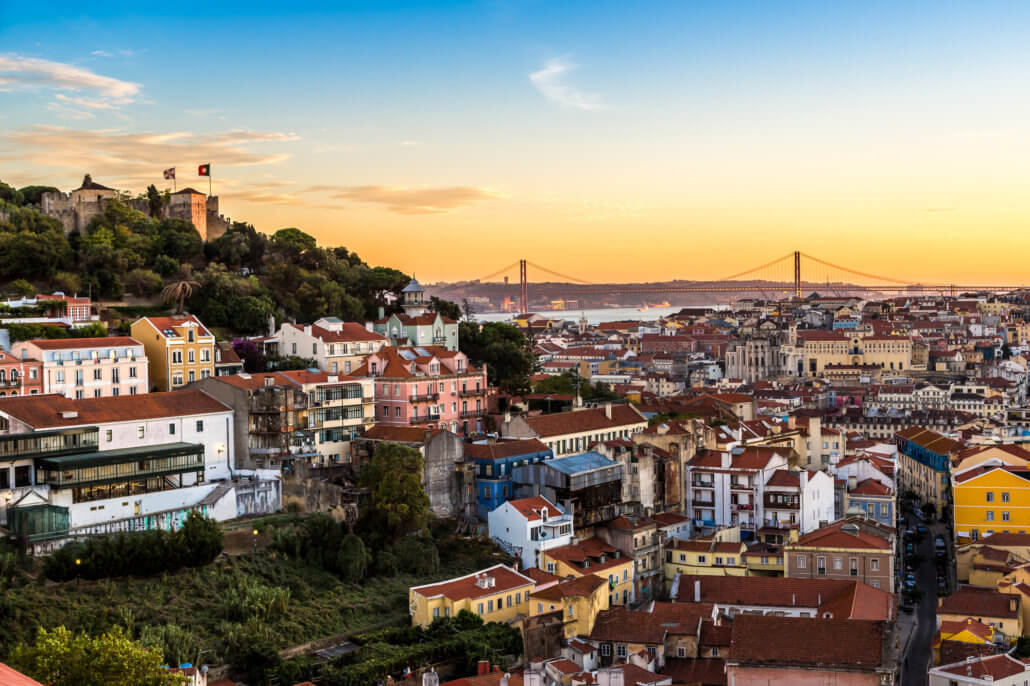
Portugal has one of the most underrated food cultures in Europe and its two major cities express that culture in genuinely different ways. Lisbon is cosmopolitan and diverse — a capital city food scene that reflects four centuries of global trade and a recent decade of international attention. Porto is specific and proud — a working city that eats in a specific way, cooks specific dishes with specific ingredients, and has less patience for the kind of international food tourism that has transformed parts of Lisbon’s food scene into something more global than Portuguese.
This guide covers what to eat in each city, where to eat it, and the specific food experiences that make each city worth visiting for food alone — beyond the monuments and the miradouros.
Lisbon: What to Eat
Pastéis de nata. The custard tart that defines Portuguese pastry and the food most worth eating immediately upon arriving in Lisbon. The original and still-definitive version is at Pastéis de Belém in the Belém neighborhood — open since 1837, using the original recipe, producing tarts that achieve a caramelization and a pastry texture that no other producer has fully replicated. Eat them warm, dusted with cinnamon and powdered sugar, with a small coffee alongside. The queue is worth it. Manteigaria in Chiado is the best city-center alternative with a glass window through which you can watch the tarts being assembled and baked.
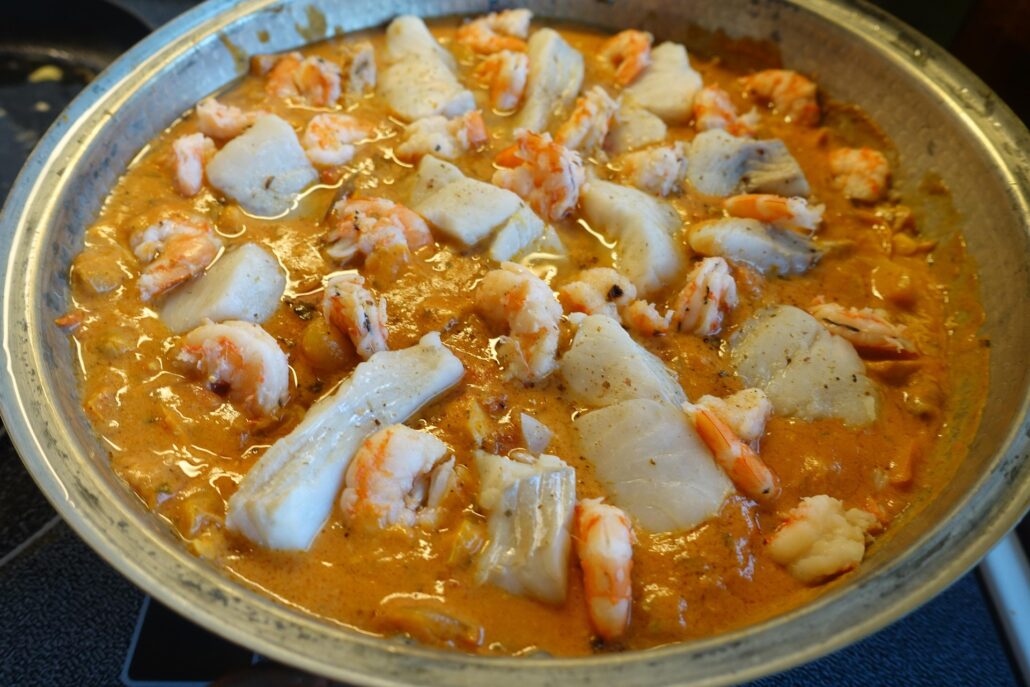
Bacalhau. Salted dried cod — Portugal’s most important ingredient and the one most central to Portuguese food identity. There are said to be 365 ways to prepare bacalhau in Portugal, one for each day of the year, and Lisbon’s traditional restaurants serve a rotating selection that includes bacalhau à brás (shredded with scrambled eggs, onion, and fried potato), bacalhau com natas (baked with cream), and bacalhau à Gomes de Sá (baked with potatoes, eggs, and olives). The Solar dos Presuntos in the Avenida area serves the most comprehensive bacalhau menu in the city at reasonable prices for the quality.
Petiscos. Portuguese small plates — the equivalent of tapas in Spain — served at the city’s best tasca restaurants. A petisco spread of amêijoas à bulhão pato (clams in white wine and garlic), pica-pau (pickled beef cubes), chouriço assado (grilled chorizo), and presunto (cured ham) with a carafe of house wine represents Lisbon dining at its most genuinely local and most affordably excellent. The Mouraria and Intendente neighborhoods have the best concentration of honest tasca restaurants serving petiscos to locals.
The Time Out Market. The Mercado da Ribeira’s conversion into Lisbon’s food hall — opened in 2014 and since replicated globally — concentrates dishes from the city’s best restaurants in a single space at market prices. It is a tourist destination that also serves genuinely excellent food from vetted vendors, and for travelers with limited time who want to eat well without researching individual restaurants, it delivers efficiently. The bifanas (pork sandwiches), the grilled fish, and the pastéis de nata are the strongest options.
Ginjinha. The cherry liqueur sold from tiny bars throughout the Lisbon old town — including the famous single-room bar at Largo de São Domingos that serves nothing else — is the drink most specifically associated with Lisbon street culture. A shot of ginjinha costs approximately one euro. Drink it standing at the bar. This is the correct way.
Lisbon: Where to Eat
Cervejaria Ramiro in the Intendente neighborhood is Lisbon’s most celebrated seafood restaurant — a beer hall serving the finest shellfish and grilled fish in the city at prices that reflect genuine quality without luxury restaurant premiums. The gambas (prawns), the percebes (barnacles), and the whole grilled fish change daily based on what the fishing boats brought in. Book ahead or arrive at opening time.
Tasca do Chico in Madragoa is the most authentic fado dining experience in Lisbon — small, reservation-only, serving traditional Portuguese food while fado singers perform from a corner of the room. The food is good, the fado is genuine, and the experience is one of the few tourist-facing things in Lisbon that is also genuinely what it claims to be.
A Cevicheria in Príncipe Real is the best contemporary Portuguese restaurant in the city — chef Kiko Martins’s ceviche-focused menu reflects Portugal’s historical connections to Latin America through the lens of modern Portuguese produce. The octopus ceviche and the tuna tostada are the dishes most worth ordering.
Porto: What to Eat
Francesinha. Porto’s most distinctive dish and one of the most unusual sandwiches in European food culture — a toasted bread sandwich of cured meats (linguiça, presunto, fresh sausage) and steak, covered in melted cheese, smothered in a spiced beer and tomato sauce, topped with a fried egg, and served with chips. It is rich, substantial, and completely unlike anything else in Portuguese cooking. Every Porto resident has a strong opinion about which restaurant makes the best version. Café Santiago on Rua Passos Manuel is the most frequently cited consensus choice and the one with the longest queue to prove it.
Tripas à moda do Porto. The tripe with white beans that gave Porto residents their enduring nickname of tripeiros — tripe eaters. The dish dates to the 15th century when Porto supplied beef to Portuguese ships setting out for the African coast and kept only the offal for itself. The result is a deeply flavored braise of honeycomb tripe, white beans, chouriço, presunto, and vegetables that is one of the most genuinely traditional dishes in Portuguese cooking. Adega e Presuntaria Transmontana in the Bonfim neighborhood serves it correctly.
Petiscos at wine bars. Porto’s wine bar petisco culture — particularly along the Rua do Almada and in the Bonfim and Cedofeita neighborhoods — represents casual eating at its best. Small plates of cheeses, charcuterie, tinned fish, and seasonal vegetables with natural wine from Portugal’s various wine regions produces an evening eating experience that is simultaneously casual, affordable, and genuinely excellent. Vinum at Graham’s Port Lodge and Prova wine bar in the Ribeira are the most celebrated examples.
Bacalhau à moda do Porto. The specifically Porto preparation of salt cod — bacalhau with potatoes, hard-boiled eggs, olives, and olive oil — differs from the Lisbon versions in its simplicity and its olive oil intensity. Porto uses more olive oil, more garlic, and less cream than the Lisbon preparations, reflecting the northern Portuguese preference for robust, direct flavors over the more refined southern Portuguese style.
Port wine. Drinking Port at source — in the wine lodges of Vila Nova de Gaia directly across the Douro from Porto’s Ribeira — is the food experience most specifically available in Porto and unavailable anywhere else at the same quality. A tasting at Graham’s, Taylor’s, or Ramos Pinto produces the full range of Port styles from young ruby through aged tawny through vintage, explained by staff who know the wines with genuine intimacy. The lodge tours are informative. The tastings are the point.
Porto: Where to Eat
Cantinho do Avillez in the Bonfim neighborhood — chef José Avillez’s casual Porto outpost — serves the best modern Portuguese cooking in the city at bistro prices. The seasonal menu reflects northern Portuguese ingredients with a technical refinement that the city’s traditional restaurants do not attempt.
Mercado do Bolhão — Porto’s covered market, restored to its original Belle Époque iron structure after years of renovation — is the best food market in the city and one of the best in Portugal. The market vendors selling fresh produce, cheese, smoked meats, and prepared food from their stalls represent the most direct access to northern Portuguese ingredients available in the city center.
Pedro Lemos in Foz do Douro — Porto’s Michelin-starred restaurant at the mouth of the Douro where the river meets the Atlantic — serves the most technically accomplished food in Porto with an emphasis on local seafood that reflects the city’s relationship with the Atlantic. Expensive by Porto standards. Worth it for a special occasion.
The Honest Comparison
For food specifically: Porto wins on authenticity and specificity, Lisbon wins on variety and international quality. A traveler who wants to eat the most distinctively Portuguese food available should go to Porto — the francesinha, the tripas, the Port wine culture, the petisco wine bars are all more rooted in local food identity than anything Lisbon’s more cosmopolitan scene produces. A traveler who wants the widest range of excellent food at every price point should go to Lisbon.
The ideal Portugal food trip visits both — four days in Lisbon for the pastéis de nata, the bacalhau preparations, the Cervejaria Ramiro shellfish, and the Time Out Market overview, followed by two days in Porto for the francesinha, the wine lodge tastings, and the petisco wine bar culture that together constitute a genuinely different and complementary food experience.
For our complete city comparison see our Porto vs Lisbon guide. For Portuguese recipes see our Bacalhau recipe and our Pastel de Nata recipe. For planning a Portugal trip see our complete Portugal itinerary.