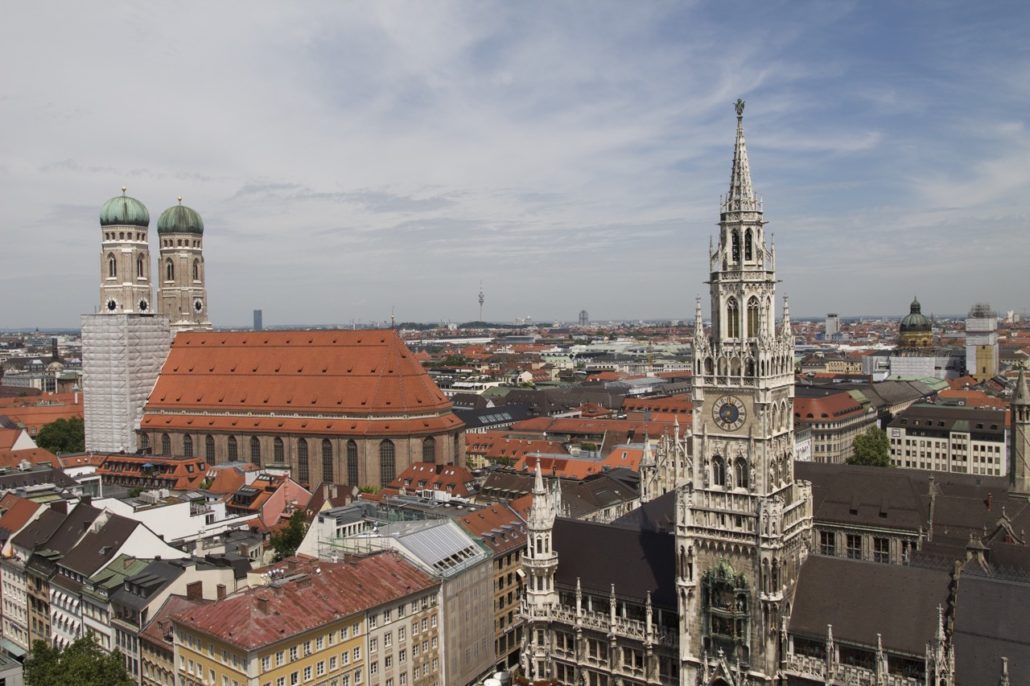
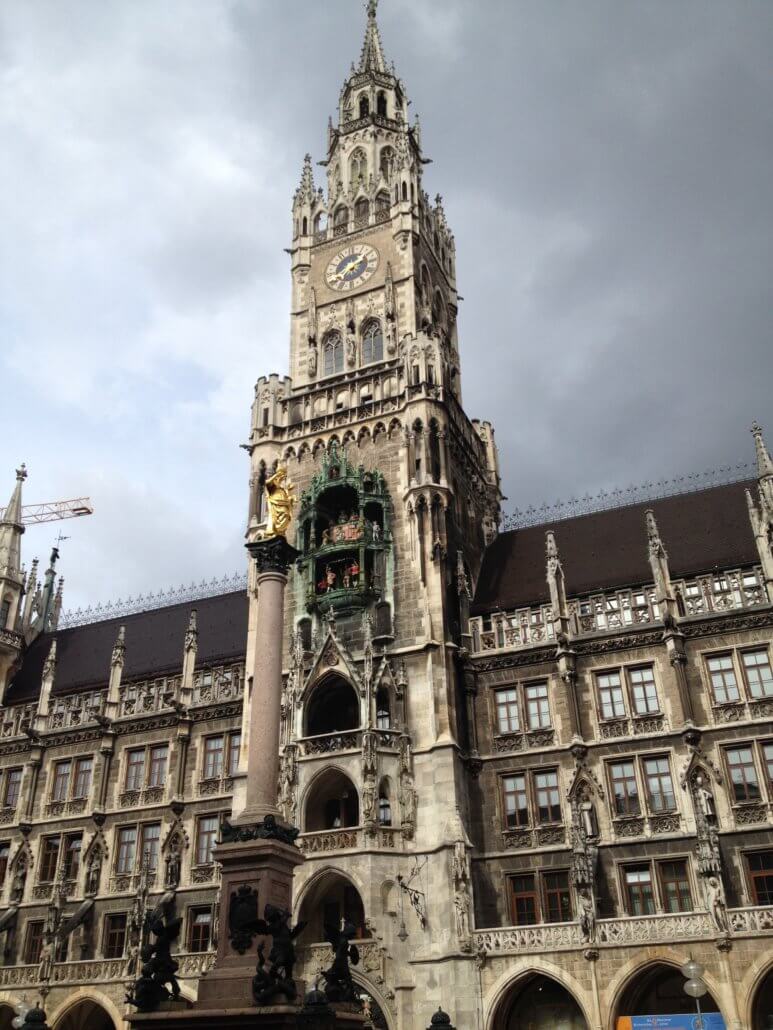
Choosing between Lisbon and Porto is one of the most common decisions travelers face when planning a trip to Portugal. Both cities offer historic architecture, strong food culture, and access to some of the country’s most iconic experiences. At the same time, they feel very different in terms of layout, pace, and overall atmosphere.
The reality is that most travelers will eventually visit both. However, if you’re limited on time or trying to decide where to prioritize your stay, understanding how Lisbon and Porto differ can help you make the right choice.
This guide breaks down the key differences between Lisbon and Porto across layout, food, atmosphere, cost, and travel style so you can decide which city fits your trip best.
For deeper planning, you can explore:
Lisbon City Guide
What to Eat in Lisbon
Where to Stay in Lisbon
Porto City Guide
What to Eat in Porto
Where to Stay in Porto
Lisbon vs Porto: Quick Overview
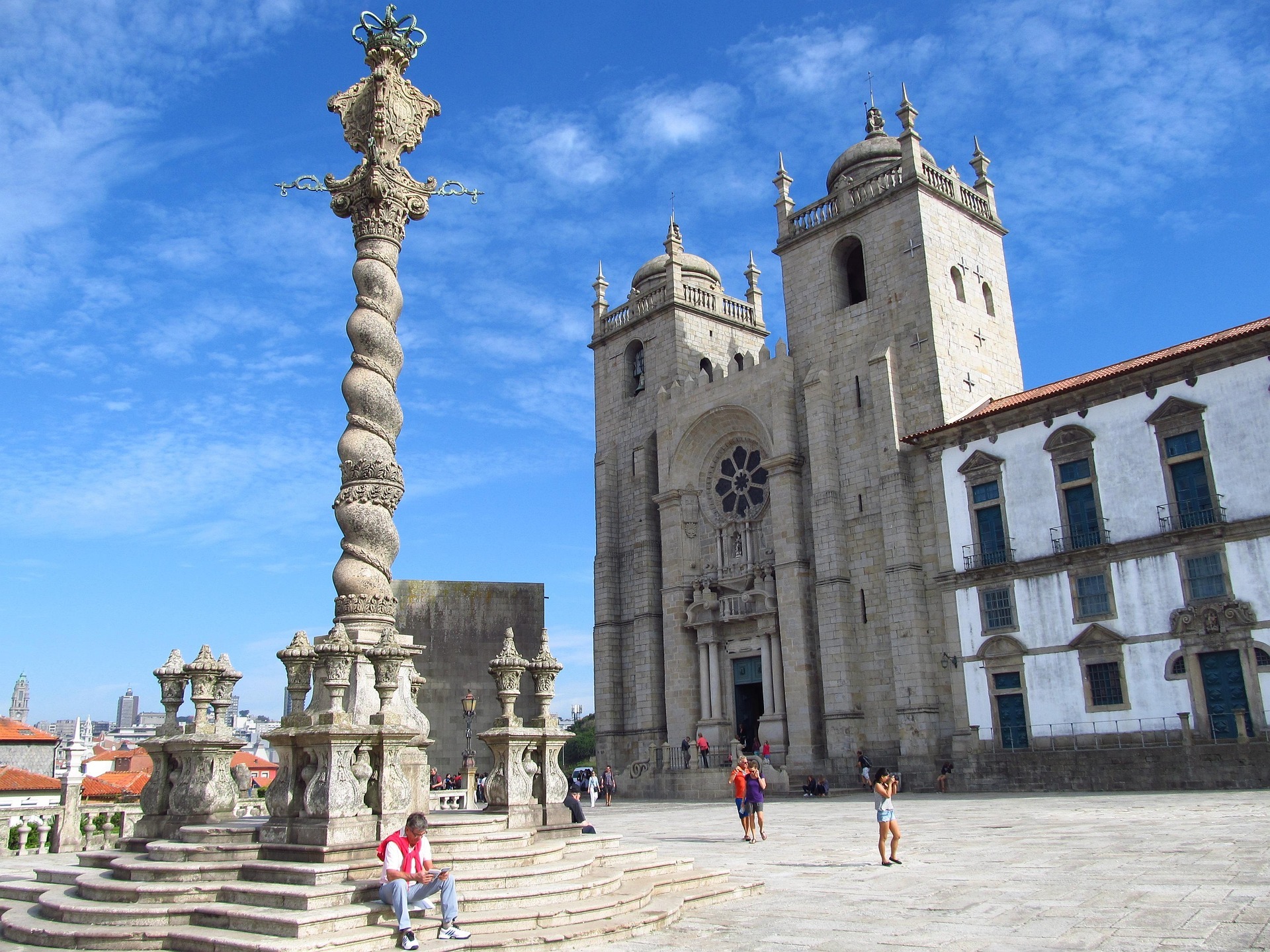
If you’re deciding quickly, here’s the simplest way to think about it:
- Choose Lisbon if you want variety, size, and a broader range of experiences
- Choose Porto if you want charm, compactness, and a more traditional feel
Lisbon is larger, more diverse, and more dynamic. Porto is smaller, more atmospheric, and easier to navigate.
Both are excellent — the decision comes down to your travel style.
City Layout and Navigation
One of the biggest differences between Lisbon and Porto is how they’re laid out.
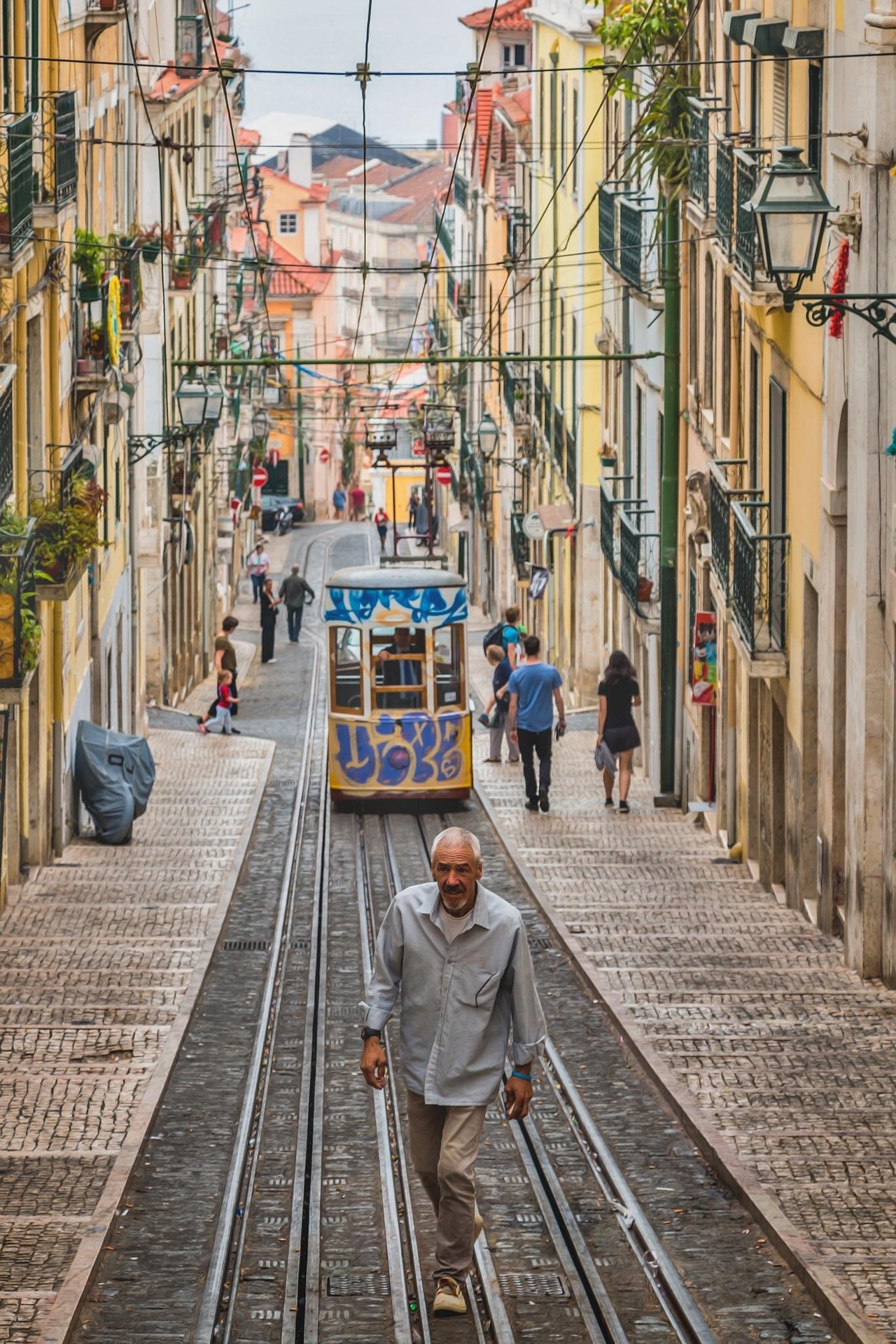
Lisbon is spread across multiple hills and neighborhoods, each with a distinct identity. While it’s walkable in sections, moving between areas often requires transportation. Elevation changes can make even short distances feel longer.
Porto, on the other hand, is more compact. While it’s also hilly, the key areas are closer together and easier to navigate within a shorter time frame.
If you prefer:
- A larger city with distinct neighborhoods → Lisbon
- A compact city where everything feels closer → Porto
Lisbon requires more planning day-to-day, while Porto feels more intuitive.
Atmosphere and Overall Feel
Lisbon and Porto feel very different once you spend time in them.
Lisbon has a more cosmopolitan and varied atmosphere. It combines historic neighborhoods with modern areas, creating a city that feels layered and constantly changing. It’s busier, more international, and more dynamic.
Porto feels more traditional and grounded. The architecture, pace, and daily life feel more consistent, giving it a strong sense of identity. It’s quieter overall, though still lively in key areas.
If you’re looking for:
- Energy, variety, and movement → Lisbon
- Charm, atmosphere, and cohesion → Porto
Neither is better — they simply offer different experiences.
Food and Dining Experience
Both cities are excellent for food, but their styles differ.
Lisbon offers a wider range of dining options, from traditional Portuguese dishes to more modern interpretations. It’s also the best place to explore pastries, casual dining, and a broader mix of cuisines.
Porto’s food is more rooted in northern Portuguese traditions. Meals tend to be heavier and more focused on specific local dishes. The dining experience feels more traditional and less varied, but often more distinctive.
In Lisbon, you’ll find:
- Seafood, pastries, and casual dining
- More variety across neighborhoods
- A mix of traditional and modern food
In Porto, you’ll find:
- Hearty local specialties
- Strong regional identity
- A more focused food experience
Both cities are strong food destinations, but Lisbon offers more variety, while Porto offers more identity.
Scenery and Visual Experience
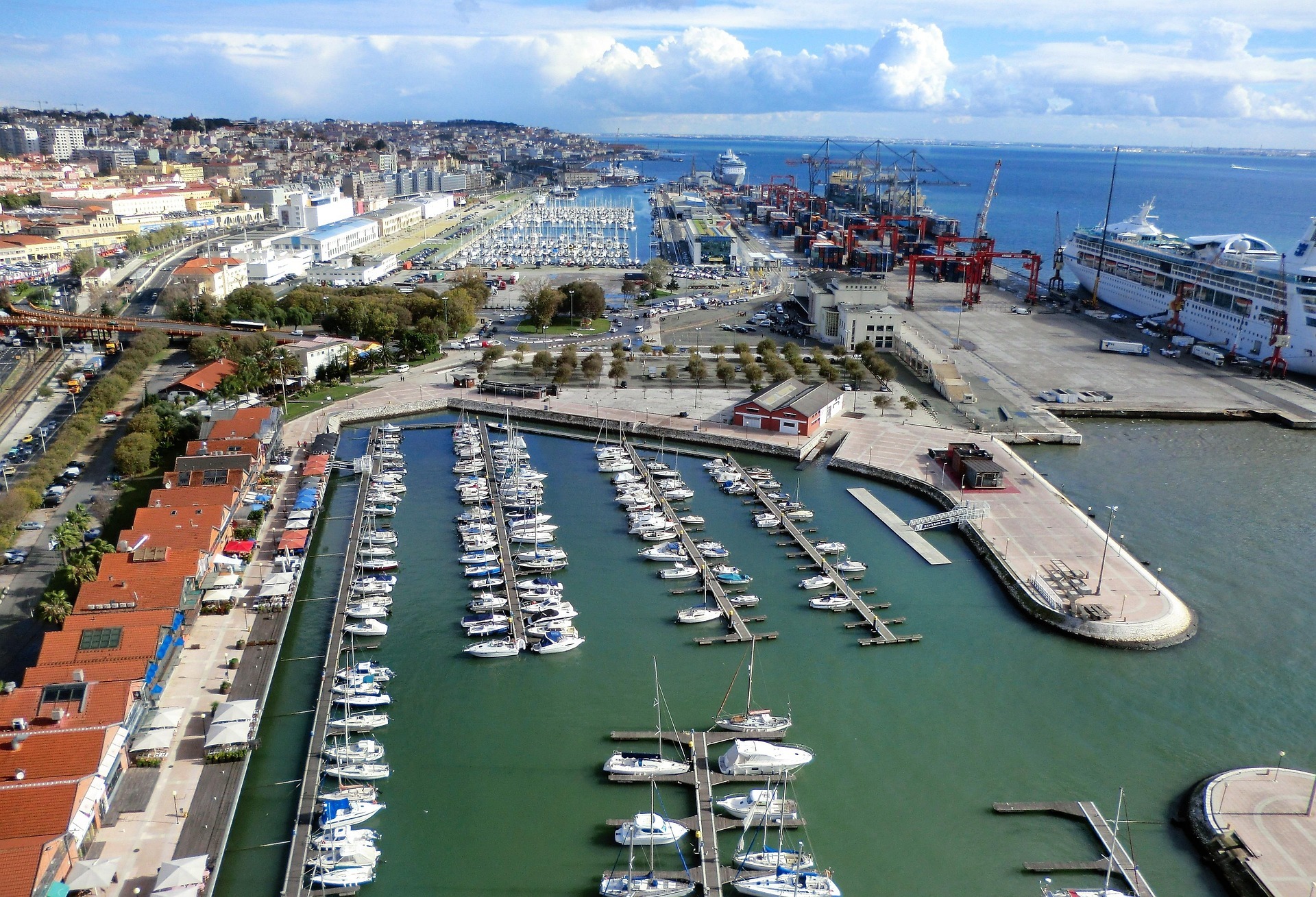
Both Lisbon and Porto are visually striking, but in different ways.
Lisbon is known for its viewpoints, hills, and light. The city’s layout creates constant opportunities for panoramic views, especially from miradouros scattered throughout the city.
Porto’s visual identity is centered around the Douro River. The combination of Ribeira’s colorful buildings and the riverfront creates one of the most iconic scenes in Portugal.
If you prefer:
- Elevated viewpoints and varied perspectives → Lisbon
- A dramatic riverfront setting → Porto
Both cities are highly photogenic, but Porto’s riverfront tends to feel more concentrated and visually cohesive.
Ease of Travel and Logistics
Lisbon is generally easier to reach internationally, with a larger airport and more flight options.
Once you’re in the city:
- Lisbon requires more transportation (trams, metro, taxis)
- Porto is easier to navigate on foot
Travel between the two cities is simple, with trains taking around 2.5 to 3 hours.
If logistics matter most:
- Lisbon is easier for arrival and departure
- Porto is easier for day-to-day navigation
This becomes especially important if you’re planning a shorter trip.
Cost Comparison
In general, Porto is slightly more affordable than Lisbon.
This applies to:
- Hotels
- Dining
- Overall daily costs
Lisbon, as the capital and more international city, tends to be more expensive, especially in central areas.
However, the difference is not extreme. Both cities are still relatively affordable compared to many Western European destinations.
If budget is a major factor:
- Porto offers slightly better value
- Lisbon offers more options across price ranges
Nightlife and Evening Atmosphere
Lisbon has a more developed nightlife scene, particularly in areas like Bairro Alto. The city stays active later, with more variety in bars, restaurants, and venues.
Porto’s nightlife is more relaxed. While there are still lively areas, the overall feel is quieter and more focused on dining and wine rather than late-night activity.
If nightlife is important:
- Lisbon is the better choice
- Porto is more subdued
Day Trips and Surrounding Areas
Both cities offer excellent day trips, but they differ in character.
From Lisbon, you can easily visit:
- Sintra (one of Portugal’s most famous destinations)
- Cascais (coastal town)
From Porto, you can explore:
- The Douro Valley (wine region)
- Braga and Guimarães (historic towns)
Lisbon’s day trips tend to be more varied, while Porto’s are more focused on wine and northern culture.
How Many Days Do You Need?
Lisbon generally requires more time to fully experience.
- Lisbon: 3 to 4 days
- Porto: 2 to 3 days
This reflects the size and complexity of Lisbon compared to Porto’s compact layout.
If you have limited time, Porto is easier to cover quickly, while Lisbon benefits from a longer stay.
Which City Is Better for First-Time Visitors?
For most first-time visitors, Lisbon is the better starting point.
It offers:
- More variety
- More landmarks
- A broader introduction to Portugal
However, Porto is often the more memorable city for some travelers due to its charm and atmosphere.
If it’s your first trip:
- Start with Lisbon
- Add Porto if time allows
When to Choose Lisbon
Choose Lisbon if:
- You want a larger, more dynamic city
- You enjoy exploring different neighborhoods
- You want more variety in food and activities
- You’re visiting Portugal for the first time
Lisbon is the more comprehensive introduction to the country.
When to Choose Porto
Choose Porto if:
- You prefer a smaller, more manageable city
- You want a strong sense of place and tradition
- You enjoy slower-paced travel
- You’re interested in wine and riverfront scenery
Porto is more focused and atmospheric.
The Best Choice: Visit Both
If you can, the best decision is not choosing between Lisbon and Porto — it’s visiting both.
They complement each other extremely well:
- Lisbon provides scale and variety
- Porto provides charm and identity
Together, they give you a more complete understanding of Portugal.
Planning Your Trip to Portugal
Choosing between Lisbon and Porto ultimately depends on how you want to travel.
If you prefer variety and energy, Lisbon is the better fit. If you prefer simplicity and atmosphere, Porto may be more appealing.
For most travelers, the ideal approach is to include both in the same trip, allowing you to experience the full range of what Portugal offers.
Use this guide alongside:
Lisbon City Guide
What to Eat in Lisbon
Where to Stay in Lisbon
Porto City Guide
What to Eat in Porto
Where to Stay in Porto
Together, these pages help you decide how to structure your trip based on your preferences, travel style, and time available.