Three nights in Santorini — four if you want a slower pace and time for a day trip — is the honest answer for most travelers on their first visit. More than four nights starts to feel like diminishing returns for the majority of people, unless you are specifically seeking extended relaxation, a honeymoon retreat, or a deliberately slow holiday with no agenda beyond the view and the wine.
Santorini is a concentrated destination. Its geography is compact. The things that make it extraordinary — the caldera views, the volcanic beaches, the sunsets, the exceptional local wine — are all accessible within a small area and do not require a week to experience properly. The island rewards presence and slowness, not itinerary-packing. The traveler who spends three unhurried nights in Santorini will almost always have a better experience than the one who spends six nights trying to fill every day with new activities.
This guide breaks down exactly what three, four, and more nights in Santorini looks like in practice, what you can realistically do and see, and what factors should push your stay longer or shorter.
What Makes Santorini Worth Visiting
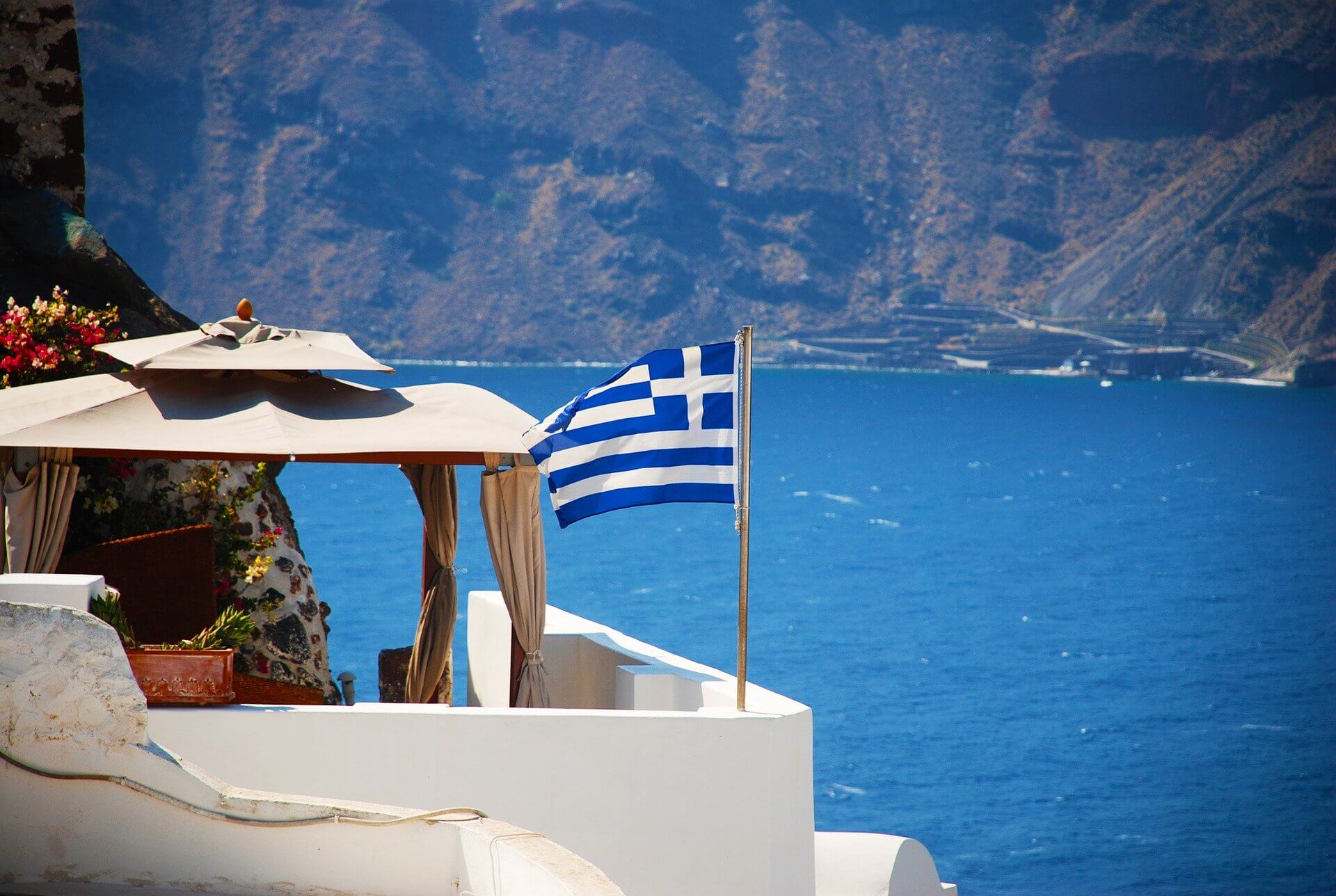
Santorini’s reputation is built on one of the most dramatic landscapes in the Mediterranean. The island is the remnant of a massive volcanic eruption that occurred approximately 3,600 years ago — one of the largest eruptions in recorded human history — which collapsed the center of the island and created the caldera: a flooded volcanic basin approximately 11 kilometers across and up to 400 meters deep, ringed by steep black and red volcanic cliffs. The famous whitewashed villages of Oia and Fira perch on the rim of these cliffs, looking down into the caldera and out across the Aegean.
That view — white architecture against blue sea, caldera cliffs plunging into still water, the small volcanic island of Nea Kameni smoking faintly in the center of the basin — is legitimately one of the most beautiful in the world. It is not a travel cliché that has been oversold. The cliché exists because the reality deserves it.
Beyond the view, Santorini has excellent volcanic beaches unlike any others in the Cyclades, a wine culture based on indigenous grape varieties (Assyrtiko above all) grown in a volcanic soil that produces wines of extraordinary minerality and character, and villages with genuine architectural character and a craft tradition in jewelry, ceramics, and textiles.
What Three Nights in Santorini Looks Like
Day 1: Arrival and Fira
Whether you arrive by ferry or by plane, your first day is best kept deliberately unscheduled. Arriving in Santorini — particularly by ferry through the caldera — takes time, and there is a strong temptation to immediately rush to Oia for the famous view. Resist it. Unpack, settle in, and let the island come to you rather than chasing it.
Spend your first afternoon in Fira, the island’s capital. Fira is the most urban settlement on the island — commercial, slightly chaotic, and the hub for transport connections. It is not Santorini’s most beautiful village, but it has the best variety of restaurants, the most accessible shopping, and a clifftop walkway with views over the caldera that are excellent without being Oia’s specifically famous sunset angle.
The Archaeological Museum of Thera, small but excellent, sits in the center of Fira and holds artifacts from prehistoric Akrotiri and the ancient city of Thera — worth an hour. The Museum of Prehistoric Thera, also in Fira, houses objects from the extraordinary Bronze Age settlement of Akrotiri that was buried by the volcanic eruption and is often called the “Aegean Pompeii.”
For dinner on your first evening, eat in Fira. The restaurants on the main caldera-edge strip are overpriced and inconsistent — walk one or two streets back from the caldera view for significantly better quality at more reasonable prices.
Day 2: Oia and the Caldera Walk
Oia is the village that appears in approximately 90% of all Santorini photographs — the perfectly composed image of white domed churches, blue doors, and caldera behind. It sits on the northernmost tip of the island, about 11 kilometers from Fira, and it is genuinely as beautiful as its reputation. It is also genuinely crowded, particularly in the afternoon and at sunset, when the numbers of visitors gathered on the castle ruins for the sunset view can make the experience feel more like a crowd event than a travel moment.
The solution is timing. Arrive in Oia in the morning, when the day-trippers from cruise ships have not yet arrived and the village has something of its actual character. The morning light on the white architecture is better for photography than the afternoon anyway. Walk the main pedestrian street, turn down the side alleys that lead toward the caldera edge, find a café with a view, and settle in. Oia in the morning is a different place from Oia at sunset.
In the afternoon, walk back toward Fira along the caldera path rather than taking the bus. The 10-kilometer walk from Oia to Fira follows the clifftop rim of the caldera for most of its length and is one of the finest walks in the Cyclades — views across the caldera the entire way, passing through the villages of Firostefani and Imerovigli. The walk takes approximately 3–4 hours at a comfortable pace and the elevation changes are moderate. Wear shoes appropriate for uneven stone paths and bring water.
If you want to see the famous Oia sunset from the castle ruins, plan to arrive at least 90 minutes before sunset to secure a position. The crowds are significant in peak season. Alternatively, the sunset from Imerovigli — the village midway along the caldera walk — is equally beautiful, far less crowded, and offers a different but equally dramatic angle on the caldera.
Day 3: Akrotiri and the Beaches
Akrotiri is Santorini’s most historically important site and one of the most remarkable archaeological excavations in the Aegean. A Bronze Age town buried by the volcanic eruption of approximately 1613 BC, it preserves multi-story buildings, storage jars, furniture imprints, and elaborate frescoes in a state of preservation comparable to Pompeii — but 1,200 years older. The fresco paintings from Akrotiri, now housed in the Museum of Prehistoric Thera in Fira and in the National Archaeological Museum in Athens, are extraordinary evidence of a sophisticated pre-classical Aegean civilization.
The excavation is covered by a protective roof and is best visited in the morning before the heat and the peak tour groups. Allow 90 minutes. The site is genuinely impressive and rewards visitors who have read even a little about the Bronze Age Aegean before arriving.
After Akrotiri, spend the afternoon at the beaches in the southern part of the island. Santorini’s beaches are volcanic and genuinely unlike anything else in Greece — black sand at Perissa and Perivolos, red sand at Red Beach near Akrotiri, and dark pebbles at Kamari on the east coast. Red Beach is dramatic (red volcanic cliffs descending directly to a small black and red pebble cove) and is a short walk from the Akrotiri excavation. The black sand beaches at Perissa are longer and better for swimming.
What a Fourth Night Adds
A fourth night in Santorini opens up a day for activities that require more time or travel — specifically a boat trip into the caldera and a visit to the winery district.
The caldera boat trip is one of the best things you can do in Santorini and is most rewarding with a dedicated half day rather than as a rushed addition to another activity. Most tours depart from Fira Skala (the old port, reached by cable car from Fira or by the switchback path with donkeys) and visit the active volcanic island of Nea Kameni, where you can walk across the volcanic crater, and the thermal springs of Palea Kameni, where you swim in warm sulphurous water discolored by mineral deposits. Some tours also stop at Thirasia, the inhabited remnant island on the western edge of the caldera. A half-day caldera tour is a legitimate Santorini experience, not a tourist gimmick.
Santorini’s wine culture deserves a dedicated afternoon. The island’s dominant grape variety, Assyrtiko, is one of the most distinctive white wines in Europe — high in acid, mineral-driven, with a saline quality that comes directly from the volcanic soil and the proximity of the vine roots to the sea. The vines are trained in a distinctive basket shape (ampelies) close to the ground, to protect them from the island’s strong winds, a visual that is as recognizable as the architecture.
The main wine villages are concentrated in the central and southern parts of the island. Santo Wines, on the caldera edge south of Fira, has the most spectacular setting for a tasting. Estate Argyros, inland near Episkopi Gonia, produces some of the island’s finest Assyrtiko. Domaine Sigalas and Hatzidakis Winery are both well-regarded. An afternoon of winery visits — two or three estates with a driver or guided tour — is one of Santorini’s most specific and rewarding experiences.
Is More Than Four Nights Worth It?
For most travelers, four nights in Santorini is sufficient to experience everything the island offers at a genuinely unhurried pace. The island is small — you will have walked the caldera path, visited Oia, seen Akrotiri, swum at the volcanic beaches, done a caldera boat trip, and visited a winery or two. What more nights add is not new experiences but a slower version of the ones you have already had.
More than four nights makes sense for specific travelers: honeymooners or couples celebrating a special occasion for whom the luxury accommodation, the private caldera-view terrace, and the absence of any agenda is the point; travelers who want to use Santorini as a base for day trips to other Cycladic islands (Ios is 45 minutes by fast ferry; Folegandros is two hours; Crete is accessible by ferry); or travelers who want to read, swim, eat well, and deliberately do nothing for several days in a beautiful setting.
For everyone else, three nights is the sweet spot and four nights is the ideal. Five or six nights risks the specific restlessness that comes from having exhausted an island’s concentrated offerings while still having time to fill.
Where to Stay: The Caldera Versus Everything Else
Where you stay in Santorini shapes your experience as much as how long you stay. The island’s most famous accommodation — the cave hotels and cliffside villas with private plunge pools overlooking the caldera — is concentrated in Oia, Imerovigli, and Firostefani on the caldera edge. These properties are expensive by almost any standard: expect €300–800 per night for a cave suite with a caldera view in peak season, and prices at the high end of that range at the best properties in Oia.
Staying on the caldera edge is worth the premium for most visitors who can afford it, for the simple reason that waking up to a private caldera view is one of the best experiences the island offers. The view from an Oia cave hotel at dawn, with the caldera turning from black to gold and the volcanic islands in the center of the basin emerging from the early morning haze, is something you will remember long after you have forgotten the specific cost.
For travelers who cannot justify or do not want to spend at those levels, Fira has mid-range hotels with good caldera views at lower prices. The east coast villages of Kamari and Perissa have the best value accommodation on the island, proximity to the black sand beaches, and significantly lower prices — but they are on the wrong side of the island for caldera views and require transport to the main attractions.
Best Time to Visit Santorini
April, May, and June are the finest months for Santorini. The weather is warm and reliable, the sea is swimmable from May onwards, the tourist crowds have not yet reached their July–August peak, and the island’s natural vegetation — bougainvillea, wild capers, prickly pear — is at its most vivid. Hotel prices are meaningfully lower than July and August.
September and October are nearly as good as May and June and are increasingly popular as the best shoulder season for the island. The sea is at its warmest in September, the summer crowds have eased, and the light has a particular quality in early autumn that is exceptional for photography.
July and August are the peak season — highest prices, most crowds, longest ferry queues, and the island at its most intense. Oia at sunset in August has visitor numbers that can make the experience feel closer to a crowd management exercise than a travel moment. If you have flexibility, the shoulder months are strictly better.
November through March is the quiet season. Many hotels, restaurants, and attractions close entirely. The ferry service reduces to minimal frequency. The island in winter is genuinely beautiful — austere, empty, Mediterranean — but requires accepting significant limitations on what is available.
👉 For getting to Santorini from Athens, see our full guide on How to Get From Athens to Santorini: Ferry vs. Flight.
👉 For how to build a broader Greece itinerary around Santorini, see our Greek Islands Explained: Which One Is Right for You?
The Bottom Line
Three nights is the minimum for Santorini done properly. Four nights is the ideal for most first-time visitors. More than four nights is worth it only for specific traveler types — those seeking a luxury retreat, a base for island-hopping, or a deliberately unhurried Mediterranean holiday.
The temptation is always to allocate more time than a concentrated island destination requires. Santorini rewards quality of presence over quantity of days. Three nights of slow mornings, a caldera walk, Oia at the right time of day, Akrotiri, the beaches, and a wine tasting will be more memorable than six nights of trying to fill the time.