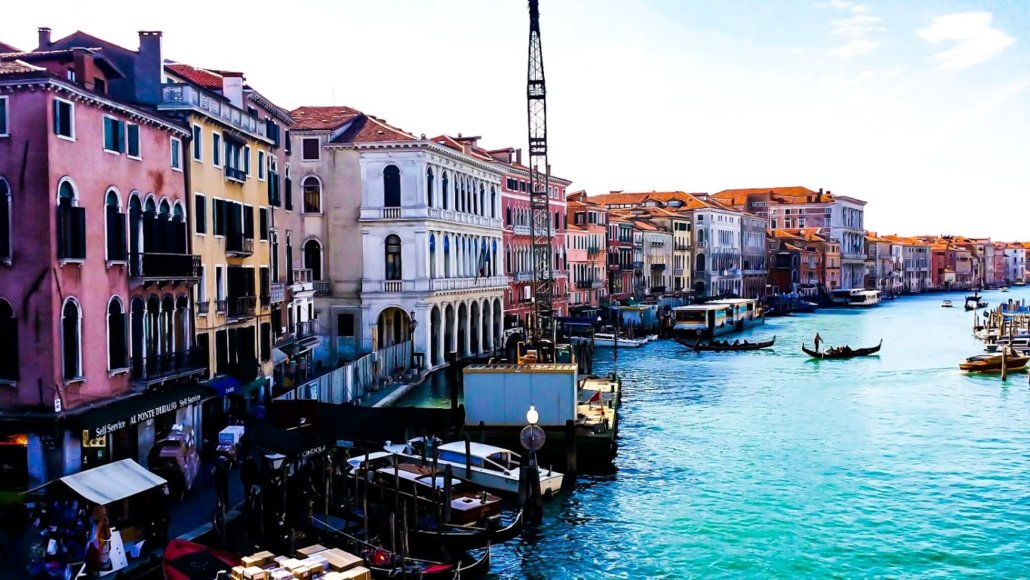
Yes. Venice is worth it — but with honest conditions attached, and the conditions matter enough that ignoring them produces one of the most disappointing travel experiences in Europe. Venice overcrowded, in peak summer heat, with a one-night itinerary built around ticking off the Piazza San Marco and taking a gondola photo, is a miserable experience. Venice in shoulder season, with two or three nights, a willingness to walk 20 minutes from the main tourist corridor, and any genuine curiosity about one of the most extraordinary urban environments ever built — is one of the best trips you can take in Europe.
The skepticism about Venice is understandable. The city has been so thoroughly marketed as a romantic cliché — gondolas, carnival masks, sunsets over the Grand Canal — that the actual Venice gets lost under the accumulated weight of expectation. It is also genuinely overcrowded on day trips, genuinely expensive, and genuinely uncomfortable in July and August when the heat and the crowds combine in a city with no cars, no air conditioning in most of its historic fabric, and narrow lanes that concentrate people and temperature simultaneously.
But none of that makes Venice not worth it. It makes Venice worth doing correctly. This guide is about that distinction.
👉 Planning your Italy trip? See our Italy travel guide, our 7 days in Italy itinerary, and our best cities to visit in Italy for the full picture.
Why People Question Whether Venice Is Worth It
The skepticism has specific roots, and they’re worth taking seriously before dismissing them.
The crowds — Venice receives approximately 20–30 million visitors per year in a city with a resident population of around 50,000. On peak summer days, the area around San Marco and the Rialto Bridge becomes so dense with people that moving freely is difficult and the experience of being in a beautiful place is overwhelmed by the experience of being in a crowd. This is real and it is not exaggerated by people who’ve experienced it.
The cost — Venice is expensive by Italian standards. Hotel rooms cost more than equivalent rooms in Rome or Florence. Restaurants near San Marco charge tourist prices for food of tourist quality. A gondola ride — the experience most visitors feel obligated to do — costs €80–100 for 30 minutes. Water taxis from the airport are expensive. The cumulative cost of a Venice trip is higher than comparable trips to other Italian cities.
The tourist infrastructure dominance — Large sections of the city near San Marco, the Rialto, and the train station have been so thoroughly converted to tourist infrastructure — mask shops, glass shops, overpriced restaurants — that the sense of a living city is diminished. Visitors who stay in these areas and don’t venture further can spend an entire Venice trip without encountering the city’s actual residential and cultural life.
The day trip problem — A significant proportion of Venice’s visitors arrive as day trippers from cruise ships or from the mainland, spend four to six hours in the San Marco and Rialto area, and leave. This concentration of day visitors in a small geographic area during peak hours produces the worst of Venice’s crowd problems while giving day trippers the least of what Venice has to offer. Day trippers and people who’ve done Venice as a day trip are responsible for a disproportionate share of the negative assessments.
Why Venice Is Still Worth It
With the legitimate criticisms acknowledged, here is the other side of the ledger — the things about Venice that cannot be found anywhere else and that justify the effort and expense of doing it right.
It Is Genuinely Unlike Anything Else
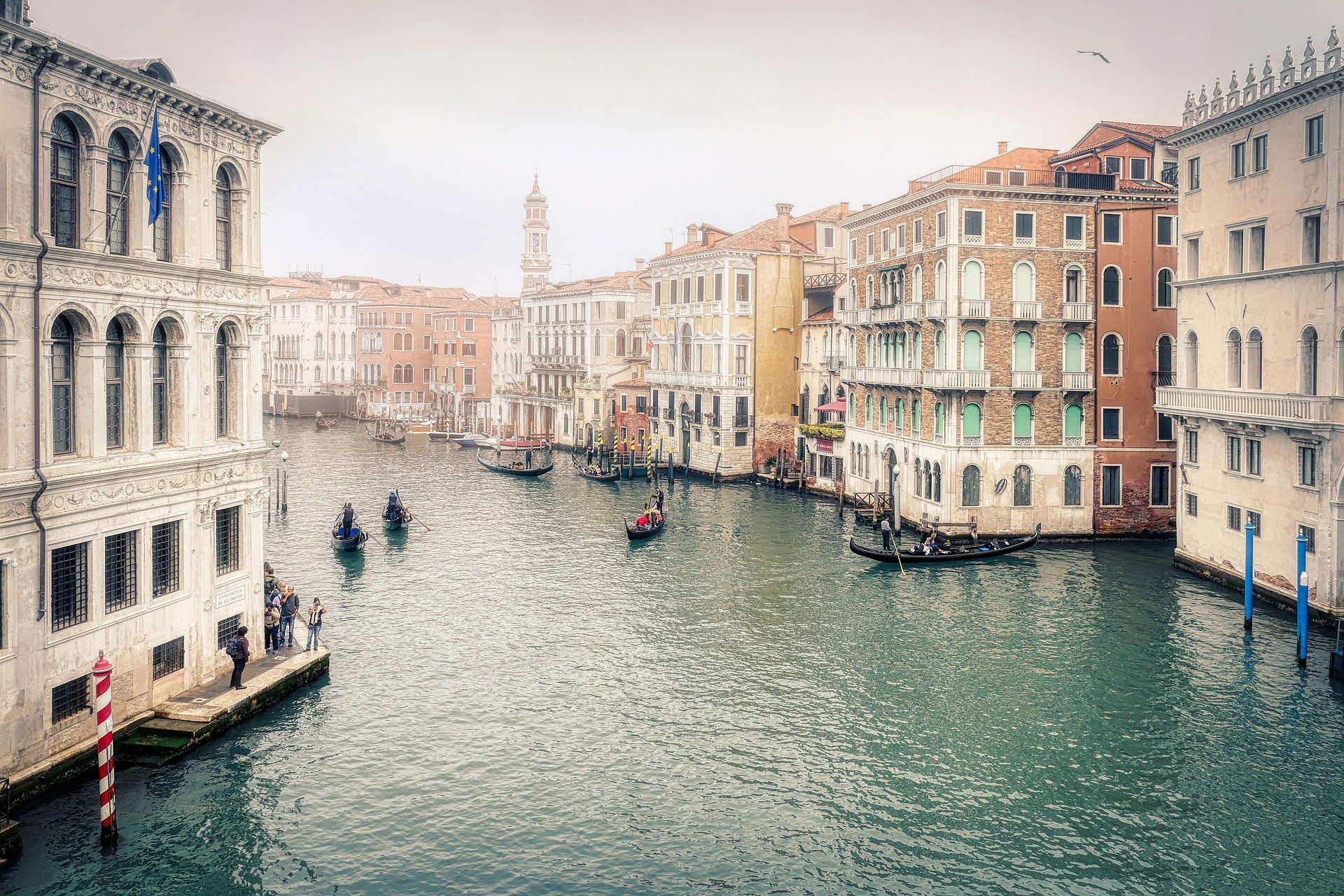
Venice was built on 118 islands in a lagoon, connected by 400 bridges over 150 canals, with no motor vehicles of any kind — not even bicycles — permitted in the historic center. The basic fact of how the city moves — by water and on foot, entirely — produces an urban experience that has no equivalent anywhere on earth. The sound of Venice at 6am, when the vaporetti are just starting their runs and the only other sounds are water and footsteps, is one of the most specific and indelible travel experiences available in Europe.
The absence of cars is not a novelty — it is structural. It means Venice’s streets have not been widened, its neighborhoods have not been divided by traffic, and the relationship between buildings, water, and pedestrian space has remained essentially intact since the medieval period. Walking Venice is walking an urban environment that resolved its relationship with its physical setting in a fundamentally different way from every other city you have ever been in.
The Architecture Is Extraordinary
Venice’s architectural heritage spans Byzantine, Gothic, Renaissance, and Baroque in a concentration that rivals any city in Europe. The Basilica di San Marco — the Byzantine masterpiece that served as the doge’s private chapel for five centuries — is unlike any other church in Italy, its interior covered in 8,000 square meters of gold mosaic that produce a light quality that photographs fail to capture. The Palazzo Ducale (Doge’s Palace) is one of the most important Gothic civic buildings in Europe. The Grand Canal is lined with palaces that trace the full arc of Venetian architectural history.
None of this requires crowds. The Basilica di San Marco at 8am, before the day’s visitors arrive, is a genuinely moving experience. The Grand Canal viewed from a vaporetto at dusk is beautiful at any time of year and costs €1.50 with the right transit pass.
The Museums Are World-Class
Venice’s museum holdings are often overshadowed by the city’s architectural spectacle, but the Gallerie dell’Accademia contains the greatest collection of Venetian Renaissance painting in existence — Bellini, Giorgione, Titian, Tintoretto, Veronese. The Peggy Guggenheim Collection is one of the best modern art museums in Europe, housed in Guggenheim’s former palazzo directly on the Grand Canal. The Palazzo Ducale’s interior — the Sala del Maggior Consiglio alone, with Tintoretto’s Paradise on its end wall, one of the largest oil paintings ever made — would justify a visit to Venice independent of everything outside.
The Neighborhoods Beyond San Marco
The Venice that produces disappointment is almost entirely concentrated in the San Marco and Rialto areas. The Venice of the Dorsoduro, Cannaregio, Castello, and Sant’Elena sestieri — the residential neighborhoods where Venetians actually live, shop, and eat — is a different city. These neighborhoods have good restaurants at reasonable prices, bacari (Venetian wine bars) where cicchetti (small Venetian snacks) and local wine are served at the bar for a few euros, churches full of extraordinary art that see a fraction of San Marco’s visitors, and an atmosphere that is genuinely residential rather than theme-park.
Getting to these neighborhoods requires walking 15–30 minutes from San Marco, or taking a vaporetto. It is the most important thing you can do in Venice to improve your experience.
When to Go: This Changes Everything
Timing is the single biggest variable in a Venice visit. Getting this right converts Venice from potentially disappointing to genuinely extraordinary.
November through February — The best time to visit Venice for anyone who is not specifically deterred by cold and the possibility of acqua alta (high water flooding in low-lying areas, primarily around San Marco). The city is genuinely quiet. Hotels are at their cheapest. The fog that settles over the lagoon in winter gives Venice its most atmospheric quality — Turner painted it, and he was right. Acqua alta is manageable with rubber boots (sold everywhere in November–January) and the flooding rarely affects most of the city. January and February are the quietest months of the year.
March and early April — Still relatively quiet before the Easter crowds. Good weather beginning to arrive. Hotel prices moderate. One of the best windows for a first Venice visit.
Late April through June — Beautiful weather, gardens in bloom, the lagoon at its most photogenic. Crowds increasing significantly from May onward. Worth it, but book well in advance and plan to be out early before the day trippers arrive.
July and August — The worst time. Heat, maximum crowds, highest prices, the smell of canal water in summer heat, cruise ship days that deposit thousands of people into San Marco simultaneously. If July or August is your only option, Venice is still worth doing — but go in with adjusted expectations and invest in an early morning routine that gets you to San Marco before 8am.
September and October — The best warm-weather months. Crowds dropping from August peak, temperatures comfortable, the light over the lagoon in October is exceptional. One of the strongest recommendations for a first Venice visit.
How Many Days Do You Need
Two nights minimum. Three is better. One night is not enough.
The day trip and single-night structure that many Italy itineraries default to is the primary driver of Venice disappointment. Venice rewards time in a way that few cities do — the longer you are there, the more the city reveals itself, the more you discover the neighborhoods beyond San Marco, and the more you understand the relationship between the water and the urban fabric that makes it unique.
Two nights gives you: a full first day for San Marco, the Doge’s Palace, and the Grand Canal; a second day for the Accademia, the Dorsoduro neighborhood, and a vaporetto trip out to the islands (Murano for glass, Burano for the color-painted houses and lace tradition, Torcello for the Byzantine basilica that predates San Marco). Three nights adds whatever you didn’t get to, more time in the bacari, and the luxury of a slow morning wandering without a checklist.
What to Do: The Non-Negotiables
Basilica di San Marco
The only Byzantine basilica of this scale and completeness in Western Europe. Five domes, 8,000 square meters of gold mosaic, the Pala d’Oro altarpiece (a Byzantine enamel masterwork), and the four bronze horses above the entrance (the originals, inside the museum, are among the finest surviving examples of ancient bronze casting). Entry to the basilica is free; the treasury, Pala d’Oro, and museum require separate tickets. Advance reservation for the free entrance is bookable through the official San Marco website and strongly recommended in peak season.
Palazzo Ducale (Doge’s Palace)
The seat of Venetian government for nearly a millennium, with interiors that represent the full ambition of the Venetian state at the height of its power. The Sala del Maggior Consiglio, the Sala dello Scrutinio, and the Sala del Senato are all frescoed with epic cycles by Tintoretto, Veronese, and Palma il Giovane. The connection to the prison via the Bridge of Sighs is also accessible. Book in advance at visitmuve.it.
The Gallerie dell’Accademia
Venice’s primary art museum — the greatest collection of Venetian painting in the world. Bellini’s altarpieces, Giorgione’s Tempest, Titian’s Presentation of the Virgin, Veronese’s monumental Feast in the House of Levi (originally painted as a Last Supper, renamed under Inquisition pressure), Tintoretto everywhere. Book ahead at gallerieaccademia.it.
Cicchetti at a Bacaro
The Venetian wine bar tradition — standing at a bar counter eating small snacks (cicchetti) with a glass of local wine — is the most authentic food experience in Venice and the best value. Cicchetti are small preparations displayed along the bar: baccalà mantecato (whipped salt cod on bread), meatballs, sardines in saor (sweet-sour onion marinade), polenta with toppings. Each piece costs €1–3. A meal’s worth of cicchetti with a couple of glasses of wine costs €12–20 per person.
The best bacari are in the Cannaregio neighborhood (around the Fondamenta della Misericordia) and the Rialto market area. The Rialto market bacari open early in the morning and serve the market workers — arriving at 9am for a glass of prosecco and cicchetti with local fishmongers is a specifically Venetian experience worth having.
Get Lost Deliberately
The single best activity in Venice has no name and costs nothing. Turn away from San Marco and walk. Venice’s streets have no grid, the signage is confusing, and dead ends that terminate at canals are frequent. Getting genuinely lost in the residential sestieri — following a narrow calle until it opens onto an unexpected campo (small square), hearing children in a school yard, finding a bakery that has been baking in the same location for a hundred years — is the most honest way to experience Venice as a city rather than as a tourist attraction.
The Gondola: Worth It or Not?
Honestly: depends on your expectations. A gondola ride at €80–100 for 30 minutes is expensive for what it is if you’re expecting a romantic private experience. During peak season, the canals used for gondola routes are busy with other gondolas and the experience is more communal than intimate. Gondoliers do not sing unless specifically hired to do so (and that costs more).
The gondola is worth it if: you want the specific experience of being at water level in a flat-bottomed boat moving through Venice’s smaller canals, which is genuinely beautiful and offers a perspective on the city’s architecture that vaporetti and walking cannot provide. The smaller canals used by gondolas go places that nothing else does, and the silence of a gondola compared to a motorboat is part of what makes it worth experiencing at least once.
The gondola is not worth it if: your expectations are built on marketing images of private canal rides at sunset. The reality is better managed with realistic expectations.
A cheaper alternative for the water-level experience: the traghetto gondola — a traditional gondola service that crosses the Grand Canal at fixed points, primarily used by Venetians, at a cost of €2 per crossing. Standing on a traghetto gondola, crossing the Grand Canal shoulder-to-shoulder with Venetians carrying shopping bags, is a more authentic gondola experience than the tourist version and costs 40 times less.
Practical Notes
Getting there — Venice Marco Polo Airport connects to the city by water (Alilaguna water bus, approximately 80 minutes, €15) or by land bus to Piazzale Roma (30 minutes, €8) and then vaporetto into the city. Water taxis from the airport are fast (30 minutes) but expensive (€110–130). The train from the mainland brings you directly to Santa Lucia station inside the historic island, which is the most convenient arrival point.
Getting around — Vaporetti (water buses) are the primary public transit. A 24-hour pass (€25) covers unlimited vaporetto travel and is the right option for a two-night stay. Walking covers most of the city at a reasonable pace; the longest diagonal walk across the historic center is about 45 minutes.
Day entrance fee — Venice began charging a day entrance fee (€5) for day visitors on certain peak days in 2024. Overnight visitors staying in hotels are exempt. Check current conditions at the Venezia Unica website for the most up-to-date information on when the fee applies.
Where to stay — Staying within the historic island, not on the mainland in Mestre, is essential. Staying in Mestre and day-tripping into Venice defeats much of the purpose of being there — the early morning and late evening Venice, when the day visitors have left, is the best Venice. The Dorsoduro, Cannaregio, and Castello sestieri offer better value and more local character than San Marco.
The Verdict
Venice is worth it. But the version of Venice that is worth it requires staying at least two nights, visiting in shoulder season if possible, spending time in the neighborhoods beyond San Marco, eating at bacari rather than tourist restaurants on the main drag, and approaching the city with curiosity about its specific urban character rather than as a checklist of famous images.
The version of Venice that is not worth it — a day trip in August, concentrated entirely in the San Marco and Rialto area, eating at a restaurant with a gondola photograph on the menu — is not Venice. It is an approximation of Venice designed for maximum visitor throughput, and it deserves every critical review it receives.
The real city is extraordinary. Go, but go correctly.
👉 For help building Venice into a broader Italy itinerary, see our 7 days in Italy itinerary. For a breakdown of how Venice compares to Rome and Florence for first-time Italy visitors, see our best cities to visit in Italy guide.