Poland is one of Europe’s most underrated travel destinations, offering a mix of historic cities, strong regional identity, and a food culture that rewards travelers who take the time to understand it. While the country is large enough to offer variety, it’s also well-connected, making it possible to explore multiple cities in a single trip without unnecessary complexity.
The key to planning a successful trip to Poland is not trying to see everything, but choosing a route that allows you to experience each destination properly. This itinerary focuses on four of the country’s most compelling cities — Kraków, Warsaw, Wrocław, and Gdańsk — and shows you how to connect them efficiently over 7 to 10 days.
Rather than overwhelming you with options, this guide provides a clear structure you can follow while still leaving room for flexibility based on your travel style.
If you want to dive deeper into each destination, use the city-level guides alongside this itinerary:
👉 Kraków City Guide
👉 Warsaw City Guide
👉 Wrocław City Guide
👉 Gdańsk City Guide
You can also refine your experience with:
👉 What to Eat in Kraków
👉 What to Eat in Warsaw
👉 What to Eat in Wrocław
👉 What to Eat in Gdańsk
👉 Where to Stay in Kraków
👉 Where to Stay in Warsaw
👉 Where to Stay in Wrocław
👉 Where to Stay in Gdańsk
How to Use This Poland Itinerary
This itinerary is designed to be flexible, allowing you to adapt it to either 7 or 10 days depending on your schedule.
In general:
- 7 days focuses on Kraków, Warsaw, and one additional city
- 10 days allows you to include all four destinations comfortably
- Travel between cities is efficient via train or short flights
The route is structured to minimize backtracking while maintaining a natural flow through the country.
Recommended Route Overview
The most efficient way to travel through Poland is:
Kraków → Wrocław → Warsaw → Gdańsk
This route allows you to move north through the country while experiencing different regional identities along the way.
Alternatively, you can reverse the route depending on flight availability.
Days 1–3: Kraków (Historic Core & Cultural Foundation)
Kraków is the best place to start your Poland itinerary. It offers a strong introduction to Polish history, architecture, and food culture, all within a compact and walkable city.
Day 1: Old Town & Wawel Castle
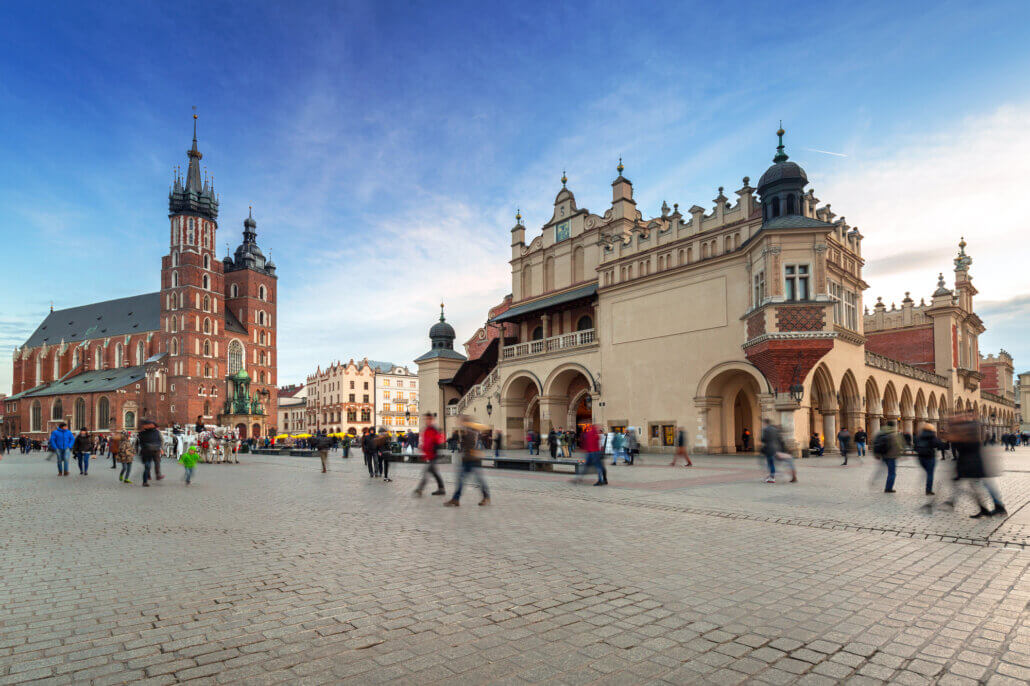
Begin in the Old Town, centered around Rynek Główny. This area sets the tone for your trip, with historic buildings, cafés, and a lively atmosphere.
Spend your first day:
- Exploring the Main Market Square
- Visiting St. Mary’s Basilica
- Walking to Wawel Castle
- Getting familiar with the city’s layout
For a structured version of this day, refer to 👉 3 Days in Kraków www.acouplefortheroad.com/krakow-3-day-itinerary
Day 2: Kazimierz & Food Culture
Day 2 shifts toward Kazimierz, the former Jewish Quarter and one of Kraków’s most dynamic areas.
This is where you’ll:
- Explore historic streets and synagogues
- Experience Kraków’s food scene
- Try both traditional and modern Polish dishes
Use 👉 What to Eat in Kraków to guide your meals.
Day 3: Optional Day Trip or Slow Exploration
Your third day can be used in two ways:
- Take a day trip to Wieliczka Salt Mine or Auschwitz
- Stay in the city and explore at a slower pace
Both options work depending on your interests.
Where to Stay in Kraków
For most travelers:
- Old Town offers maximum convenience
- Kazimierz offers a more local feel
See 👉 Where to Stay in Kraków
Travel: Kraków to Wrocław
Travel time is approximately 3 hours by train.
Trains are frequent, comfortable, and the most efficient option.
Days 4–5: Wrocław (Colorful Architecture & River Life)
Wrocław provides a different atmosphere from Kraków, with a more relaxed pace and a unique layout built around islands and bridges.
Day 4: Old Town & Market Square
Start in Rynek, one of the most colorful squares in Europe.
Spend your day:
- Exploring the Town Hall and surrounding streets
- Searching for Wrocław’s dwarf statues
- Walking through the central area
Day 5: Cathedral Island & River Walks
Day 5 focuses on Ostrów Tumski and the river.
This includes:
- Walking across bridges
- Exploring quieter historic areas
- Experiencing a slower pace
For a detailed breakdown, see 👉 2 Days in Wrocław
Where to Stay in Wrocław
- Old Town is best for convenience
- Riverside areas offer a quieter stay
See 👉 Where to Stay in Wrocław
Travel: Wrocław to Warsaw
Travel time is approximately 3.5–4 hours by train.
Alternatively, short flights are available but not necessary.
Days 6–7: Warsaw (Capital City & Contrast)
Warsaw offers a contrast to Kraków and Wrocław, blending historic reconstruction with modern development.
Day 6: Old Town & Royal Route
Spend your day:
- Exploring Old Town
- Walking the Royal Route
- Visiting historic landmarks
Day 7: Modern Warsaw & Parks
Day 7 shifts toward:
- Śródmieście
- Łazienki Park
- Optional visit to Praga
For a full plan, see 👉 2 Days in Warsaw
Where to Stay in Warsaw
- Śródmieście offers the best central access
- Old Town provides a historic setting
See 👉 Where to Stay in Warsaw
Travel: Warsaw to Gdańsk
Travel time is approximately 2.5–3 hours by train.
This is one of the easiest connections in the country.
Days 8–10: Gdańsk (Coastal Experience & Waterfront)
Gdańsk adds a coastal dimension to your trip.
Day 8: Main Town & Waterfront
Spend your day:
- Walking Długi Targ
- Exploring historic landmarks
- Walking along the Motława River
Day 9: Coast & Sopot
Head to:
- Brzeźno Beach
- Sopot (optional)
This adds variety and a more relaxed atmosphere.
Day 10: Flexible Day
Use your final day to:
- Revisit areas
- Explore at a slower pace
- Enjoy a final meal
For details, see 👉 2 Days in Gdańsk
Where to Stay in Gdańsk
- Main Town is best for first-time visits
- Coastal areas offer a different experience
See 👉 Where to Stay in Gdańsk
7-Day Version of This Itinerary
If you only have 7 days:
Option 1:
- Kraków (3 days)
- Warsaw (2 days)
- Gdańsk (2 days)
Option 2:
- Kraków (3 days)
- Wrocław (2 days)
- Warsaw (2 days)
Getting Around Poland
Poland has a strong transportation network.
In general:
- Trains are the best option between cities
- Tickets are affordable and easy to book
- Travel times are manageable
When to Visit Poland
Timing affects your experience significantly.
In general:
- Spring and fall offer the best balance
- Summer is lively but busier
- Winter is quieter and more atmospheric
Final Thoughts: Planning a Trip to Poland
Poland rewards travelers who approach it city by city rather than trying to see everything at once.
This itinerary works because it:
- Connects cities logically
- Balances variety with efficiency
- Allows flexibility
To plan your trip fully, use this itinerary alongside:
👉 Kraków City Guide
👉 Warsaw City Guide
👉 Wrocław City Guide
👉 Gdańsk City Guide
👉 What to Eat in Kraków
👉 What to Eat in Warsaw
👉 What to Eat in Wrocław
👉 What to Eat in Gdańsk
👉 Where to Stay in Kraków
👉 Where to Stay in Warsaw
👉 Where to Stay in Wrocław
👉 Where to Stay in Gdańsk
This structure allows you to experience Poland in a way that is efficient, enjoyable, and tailored to how you want to travel.