Port wine has one of the strangest origin stories in the world of drinks — a story involving a war between England and France, an entrepreneurial English merchant, a fortuitous addition of brandy, and a river valley in northern Portugal that turned out to be one of the most extraordinary wine-growing environments on earth. The result is a wine that is simultaneously one of Portugal’s most important cultural exports and one of the most misunderstood drinks in the world — associated in many people’s minds with after-dinner formality, dusty crystal decanters, and an older generation’s drinking habits, when the reality is something far more alive and far more relevant to how we drink today.
We have been to the Douro Valley and to the lodges of Vila Nova de Gaia across the river from Porto. The combination of the extraordinary landscape — terraced vineyards carved from steep schist hillsides dropping to the river — and the complexity of what is being made there is one of the more affecting experiences we have had in any wine region anywhere.
The History: How the British Invented Portuguese Wine
The story of Port begins with English merchants who needed wine and a war that made their usual supplier unavailable. In the late 17th century, England and France were periodically at war, and the Methuen Treaty of 1703 — which granted Portuguese wines preferential tariff rates in England in exchange for English cloth exports to Portugal — redirected English wine demand from France to Portugal at a stroke of political pen.
English merchants flooded into Porto and began trading in the wines of the Douro Valley. The wines were good but fragile — the journey by ship from Portugal to England in the heat of summer caused them to deteriorate badly before arrival. The solution, already known in other wine regions, was the addition of grape spirit — brandy — to stabilize the wine for transport. When the brandy was added during fermentation rather than after, the result was a wine with residual sweetness — the fermentation stopped before all the sugar converted — and the higher alcohol of the added spirit. Port wine was not quite invented at this moment but it was substantially discovered.
The English merchant families who built the Port trade — Sandeman, Graham, Cockburn, Taylor, Warre, Quinta do Crasto — established themselves in Vila Nova de Gaia, the city across the Douro from Porto, where the Atlantic-influenced climate was better suited to aging the wine in the oak barrels called pipes than the extreme heat of the Douro Valley interior. Many of these houses survive today and their lodges — long, low warehouses stacked with barrels along the Gaia waterfront — remain the physical center of the Port trade.
The Marquis of Pombal demarcated the Douro wine region in 1756, making it one of the first formally protected wine appellations in the world — predating the French system of appellations by more than a century. The demarcation was partly protectionist — designed to prevent the adulteration of Douro wines with cheaper wines from other regions — and partly quality-focused. The system it established, refined over the following centuries, is the foundation of the modern Port appellation.
The Douro Valley: A Landscape Built by Human Labor
The Douro Valley earned UNESCO World Heritage status in 2001 not for a building or an archaeological site but for a cultural landscape — the terraced vineyards carved from steep schist hillsides over centuries of human labor that cover the valley sides from the Spanish border to the coastal hills east of Porto.
The schist — a flaky, layered metamorphic rock that dominates the Douro’s geology — is responsible for some of the valley’s most distinctive wine characteristics. Schist retains heat during the day and releases it at night, moderating the extreme temperature swings between the scorching Douro summers (temperatures regularly exceed 40 degrees Celsius in July and August) and cool nights. The rock also fractures over time, allowing vine roots to penetrate deep into the subsoil in search of the limited water available in this rain shadow landscape. The resulting vines are stressed and low-yielding — producing grapes of extraordinary concentration.
The terracing is simultaneously impressive and humbling. These vineyards were not cut by machine — they were built by hand, generation by generation, from terrain that without human intervention would have been virtually uncultivable. Standing at the edge of a Douro terrace looking across the valley at the opposite slope, every square meter of which is vineyard, you understand that what you are looking at is not just a wine region but the accumulated physical work of centuries of Portuguese farming families.
How Port Is Made: Fortification and Its Consequences
Port is a fortified wine — meaning grape spirit is added during the fermentation process to stop it before all the natural grape sugars have been converted to alcohol. The timing of the fortification determines the residual sweetness of the finished wine: earlier fortification leaves more residual sugar and produces a sweeter style; later fortification produces a drier result.
The grapes used for Port production are primarily native Portuguese varieties — Touriga Nacional, Touriga Franca, Tinta Roriz (Tempranillo), Tinta Barroca, and Tinto Cão are among the most important. These varieties are grown in one of viticulture’s most extreme environments — extreme heat, minimal rainfall, schist soils — and produce grapes of extraordinary concentration and phenolic richness.
Traditionally, Port grapes were trodden by foot in granite lagares — shallow stone tanks — by teams of workers in a process that was both labor-intensive and genuinely effective at gently breaking the grape skins without crushing the seeds (which would release bitter tannins). The foot treading process extracts color and flavor compounds efficiently while the foot’s natural softness avoids the harsh seed extraction that mechanical crushing can produce. Some traditional quintas still practice foot treading; most have adopted mechanical alternatives that attempt to replicate the same gentle extraction.
After fermentation stops — when the winemaker judges that the right balance of sugar and alcohol has been reached — grape spirit at approximately 77 percent alcohol is added to the fermenting must. The addition raises the total alcohol to 19 to 22 percent, killing the remaining yeast and preserving the residual sugar. The wine is then transferred to the lodges in Vila Nova de Gaia for aging.
The Styles of Port: Understanding What Is in the Glass
Port is not a single wine — it is a family of wines produced by the same method but aged in fundamentally different ways, producing results so different from each other that they barely seem related.
Ruby Port — the most commonly encountered style and the entry point for most Port drinkers. Aged for a relatively short period (2 to 3 years) in large oak vats that minimize oxygen exposure, Ruby Port retains its deep red color and fresh, fruit-forward character. It is approachable, affordable, and the style that most people have encountered in a casual context. Serve slightly chilled (around 14 degrees Celsius) rather than at room temperature.
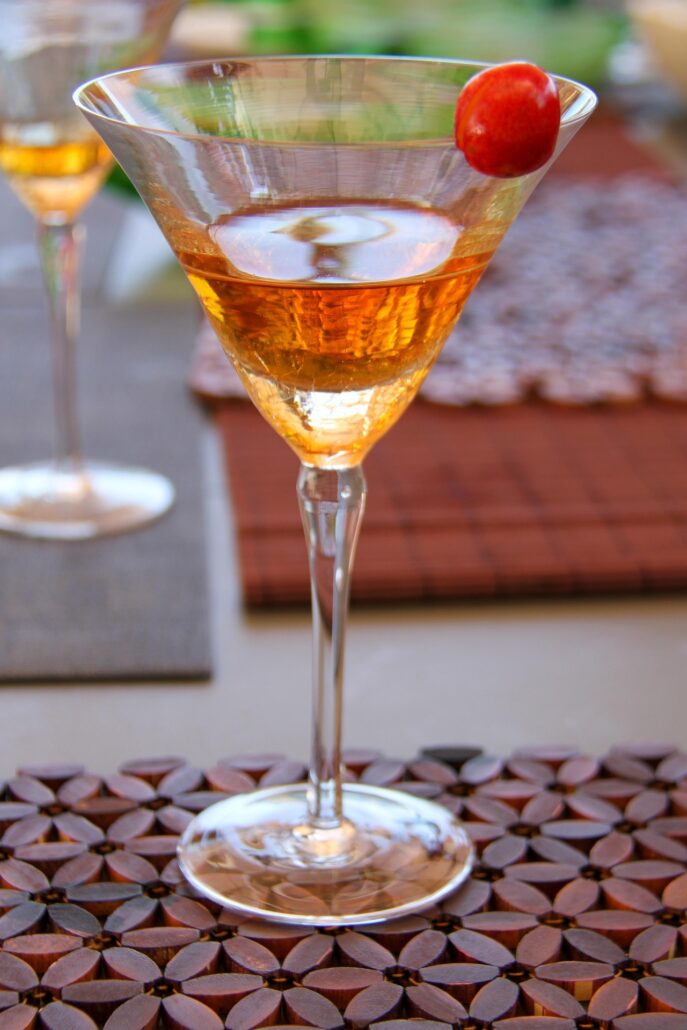
Tawny Port — aged in smaller barrels (522-liter pipes) for an extended period, with deliberate oxygen exposure that gradually oxidizes and evaporates the wine, concentrating flavors and shifting the color from deep red to the amber-tawny that gives the style its name. Tawny develops complex nutty, dried fruit, and orange peel notes that have no equivalent in non-fortified wine. The 10-year, 20-year, 30-year, and 40-year age designations on Tawny labels refer to the average age of the wines in the blend rather than a specific vintage — a 20-year Tawny might include wines from 15 to 30 years old that average to approximately 20 years of character. Serve Tawny chilled — 10 to 12 degrees Celsius — and it becomes one of the most versatile and food-friendly wines produced anywhere.
Colheita — a single-vintage Tawny Port aged in barrel for a minimum of 7 years before release. Colheita combines the vintage specificity of Vintage Port with the oxidative, complex character of Tawny aging. They are some of the most interesting and underappreciated wines in the Port category.
Late Bottled Vintage (LBV) — Port from a single vintage, bottled between 4 and 6 years after harvest. LBV is accessible on release — unlike true Vintage Port — and offers single-vintage character at a fraction of the price. Filtered LBVs are designed for immediate consumption. Unfiltered LBVs can be cellared and develop further complexity.
Vintage Port — the most celebrated and most age-worthy style, produced from the best grapes of a single declared vintage and bottled after just 2 years in barrel. Vintage Port is designed for long cellaring — a recently released vintage will be tannic, concentrated, and relatively closed; the same wine after 20 years of bottle aging will have developed extraordinary complexity. Declared vintages — years in which the major shippers collectively judge the quality sufficient to release a single-vintage wine — are relatively rare. 2011, 2016, 2017, and 2019 are widely cited as exceptional recent vintages. A good Vintage Port requires a minimum of 10 to 15 years of cellaring to begin approaching its potential and will continue developing for decades beyond that.
White Port — produced from white grape varieties in the Douro using the same fortification method as red Port. Dry and Extra Dry styles have become increasingly fashionable as an aperitif. The classic White Port and tonic — a long drink of white Port over ice with tonic water and a slice of lemon — is one of the most refreshing drinks available in Portugal and is becoming recognized internationally as a serious aperitif option.
What to Eat with Port
Stilton cheese with Vintage Port. The most celebrated cheese and wine pairing in the English-speaking world and one that is genuinely as good as advertised. The salt and fat of a well-aged Stilton, its blue veining providing an intensity that softer cheeses cannot match, and the concentrated dark fruit and tannin of a mature Vintage Port create a combination that is greater than either component. This is the pairing that built Port’s reputation in England and it remains one of the great food and wine experiences available at any price.
Dark chocolate with Tawny Port. The nutty, dried fruit character of a 20-year Tawny and the bitter intensity of 70 percent dark chocolate mirror and amplify each other in a way that makes both more expressive. Serve the Tawny slightly chilled alongside squares of good dark chocolate — single-origin if possible — and you have one of the simplest and most satisfying end-of-meal experiences in the wine world.
Foie gras with Late Harvest or Tawny. The fat and richness of foie gras — whether terrine or seared — requires a wine with sweetness and acidity to cut through it. A chilled 20-year Tawny or an LBV served slightly below room temperature achieves this with more elegance than most dessert wines.
Roasted almonds and walnuts with Tawny. The simplest and most honest pairing for Tawny Port — the nutty character of the wine mirrors the nuts in a direct, uncomplicated way that makes it one of the best aperitif options available. A bowl of mixed nuts and a glass of chilled 10-year Tawny is the aperitif that the lodges of Vila Nova de Gaia serve to guests who come for tastings, and it is the honest expression of what the wine is best at in its everyday context.
Crème brûlée and custard tarts with white Port. The pastry culture of Portugal — pastéis de nata (custard tarts), toucinho do céu (almond and egg tart), arroz doce (rice pudding) — pairs naturally with the lighter sweetness and citrus notes of white Port. The combination is served throughout Porto’s pastry shops and coffee bars and represents the most local expression of Port in a food context.
Cured ham and charcuterie with dry white Port and tonic. The White Port and Tonic — white Port over ice with tonic water and lemon — served alongside thin slices of presunto (Portuguese cured ham) or chouriço is the most refreshing and most local aperitif experience available in Portugal. It is the drink that has replaced wine in many Porto bars for the pre-dinner hour and represents one of the genuine recent innovations in Port culture.
Port Cocktails Worth Knowing
White Port and Tonic (Porto Tónico). White Port over ice, topped with tonic water, with a slice of lemon or lime. The standard aperitif in Porto’s bars and increasingly recognized internationally as a genuine alternative to gin and tonic. The sweetness of the Port softens the quinine bitterness of the tonic and the citrus note bridges the two components. Use dry or extra dry white Port for the best result — the sweet style makes the combination too cloying.
Port Cobbler. Ruby or Tawny Port shaken with a small amount of simple syrup and lemon juice, served over crushed ice with fresh fruit. The cobbler format — essentially a short drink over crushed ice — was one of the most popular cocktail preparations of the 19th century and Port was a primary base. It is experiencing a revival in craft cocktail bars internationally and represents a genuinely interesting way to encounter the wine in a new context.
Port Flip. Port shaken with egg and sugar — the flip format that predates cocktail culture as we understand it. The egg adds richness and the sugar amplifies the wine’s natural sweetness. Serve in a small glass with freshly grated nutmeg on top. A drink for cool evenings.
Where to Experience Port in Context
Vila Nova de Gaia — the city across the Douro from Porto — is the physical center of the Port world. The lodge district along the riverfront contains the aging facilities and tasting rooms of most major Port houses. Graham’s, Taylor’s, Ramos Pinto, Quinta do Crasto, and Sandeman all maintain visitor facilities with cellar tours and structured tastings. The view from the Gaia waterfront across the Douro to Porto’s hillside — Ribeira in the foreground, the Dom Luís I bridge spanning the river, the tiled facades climbing the hillside behind — is one of the most beautiful urban views in Europe.
The Douro Valley — accessible by train from Porto on the Douro Line, one of the most scenic railway journeys in Europe — is a different and arguably more important experience than the Gaia lodges. Staying at a quinta in the valley for two or three nights, visiting vineyards during harvest (September and October), eating the local food — roast lamb, grilled sardines, caldo verde — alongside the wines produced from those vineyards is the most complete understanding of Port available. The Port and Douro Wine Institute maintains information on quintas and lodges open to visitors.
For full details on visiting Porto and building a Portugal trip that includes the Douro Valley, see our complete Portugal itinerary.
The Honest Assessment
Port’s image problem — the association with formality, with an older generation, with after-dinner obligation — is a marketing problem rather than a quality problem. The wine itself, across its range of styles from the approachable Ruby to the extraordinary aged Tawny to the age-worthy Vintage, represents some of the most complex and interesting drinking available at any price point.
The White Port and Tonic alone should be enough to rehabilitate the category for anyone who has written Port off as something their grandfather drinks. Chilled, refreshing, genuinely interesting — it is the aperitif of Porto and it belongs anywhere people are paying attention to what they are drinking.
Drink the Tawny chilled with almonds before dinner. Drink the Vintage with Stilton after. Drink the White Port and tonic in a bar in Vila Nova de Gaia watching the Douro flow past the Dom Luís I bridge. All three are correct.