We have been to Aruba multiple times and we love it. We have been to Bonaire and it is one of our favorite places in the world. Between the two of them, we genuinely cannot pick a winner — and we have tried. They are both extraordinary Caribbean destinations that happen to be completely different from each other, serving completely different kinds of travelers, and delivering completely different experiences. Choosing between them is not a question of which is better. It is a question of what you actually want from a Caribbean trip.
Curaçao sits between them geographically and, in many ways, experientially — a larger, more urban island with its own distinct character that is neither the resort-polished beach paradise of Aruba nor the wild, reef-focused natural environment of Bonaire. We have not spent meaningful time in Curaçao and we will say so clearly — our Curaçao sections in this guide draw on research and the accounts of travelers who have been there rather than our own direct experience. Where we write from firsthand knowledge we will tell you. Where we are drawing on research we will tell you that too.
This is the honest comparison that most travel sites do not give you — not a ranked list with a definitive winner, but a genuine framework for understanding which of these three islands is actually right for the trip you are planning.
The ABC Islands: Understanding the Context
Aruba, Bonaire, and Curaçao are known collectively as the ABC islands — a group of Dutch Caribbean islands sitting just above the northern coast of Venezuela, roughly 15 to 80 kilometers offshore. Their southern Caribbean position places them outside the main Atlantic hurricane belt, which means they are visitable year-round without the hurricane anxiety that affects travel planning for most of the Caribbean between June and November. That shared geographic characteristic is the most important thing they have in common.
Beyond that, the three islands are more different from each other than their proximity and shared Dutch heritage suggest. Aruba is the most developed, the most tourist-oriented, and the most immediately recognizable as a Caribbean resort destination. Bonaire is the least developed, the most nature-focused, and the most demanding of visitors who want to engage with what makes it remarkable. Curaçao sits between them in almost every dimension — more developed than Bonaire, less resort-saturated than Aruba, with a distinct urban and cultural identity centered on the UNESCO-listed capital of Willemstad.
All three use the US dollar or a pegged currency, all three have Dutch as an official language alongside local languages, and all three offer the reliable sunshine, warm water, and tropical landscape that defines Caribbean travel. The differences are in character, infrastructure, tourism model, and what the islands are genuinely best at.
Aruba: What It Actually Is
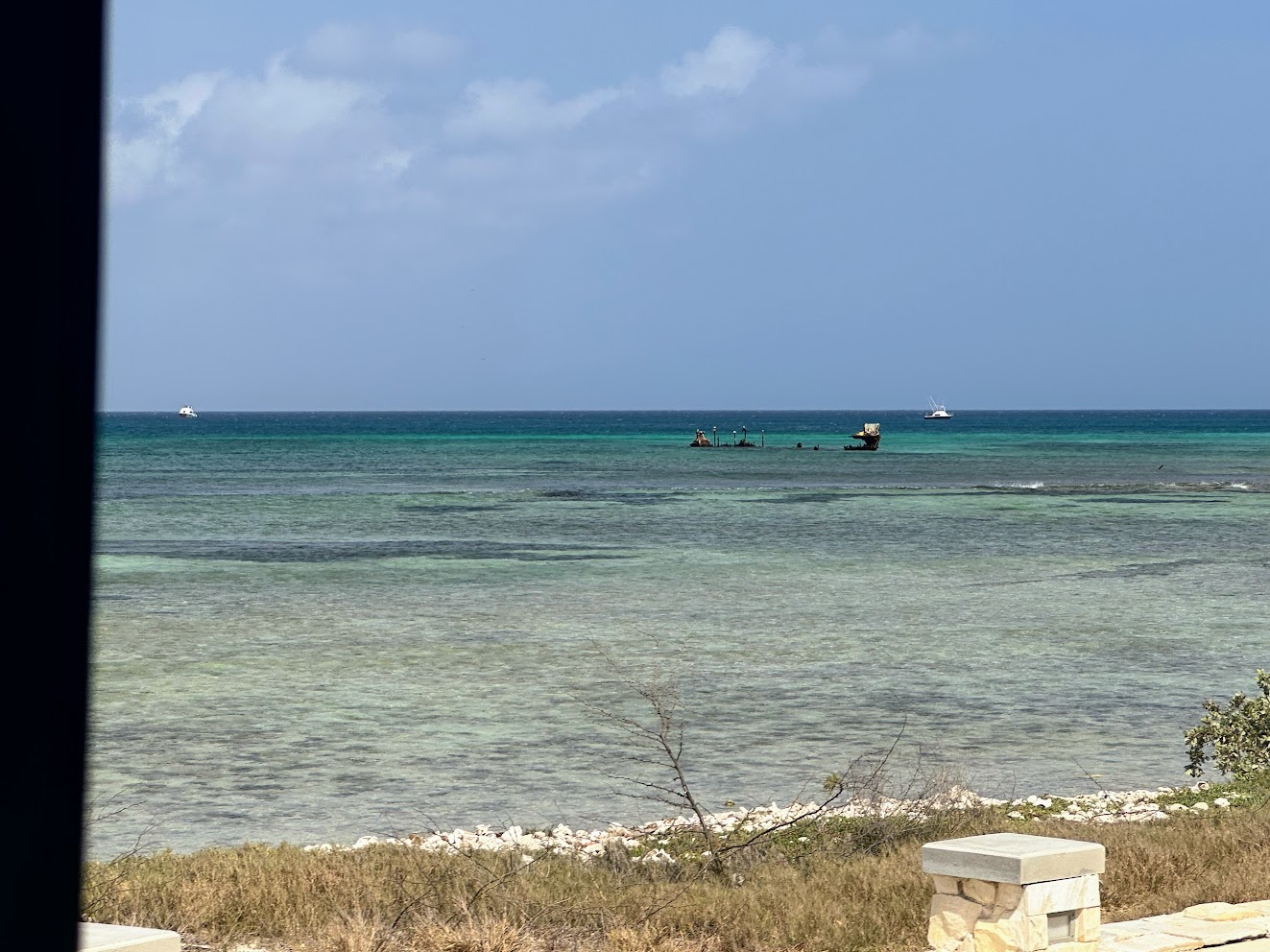
Aruba is a genuinely excellent Caribbean resort destination and we say that without reservation. We have been multiple times and we go back because the experience consistently delivers. Understanding what Aruba does well — and what it is not trying to be — is the key to knowing whether it is the right island for your trip.
The beaches are extraordinary. Eagle Beach and Palm Beach on Aruba’s west coast are among the best beaches in the entire Caribbean — wide, white, calm, with water that is improbably turquoise and warm. Eagle Beach in particular, with its signature divi-divi trees and relative lack of development compared to Palm Beach, is one of the most beautiful stretches of sand we have seen anywhere. The west coast beach experience on Aruba is as good as Caribbean beach travel gets.
The resort infrastructure is world-class. The Palm Beach strip has every major resort brand represented — Marriott, Hyatt, Hilton, Riu, Occidental, and dozens of independents — with the full complement of pools, restaurants, beach bars, watersports operations, and entertainment that large resort complexes provide. If you want a Caribbean vacation where everything is organized, every need is anticipated, and the logistics are handled by the resort rather than by you, Aruba delivers that comprehensively.
The weather is exceptional even by Caribbean standards. The consistent trade winds that blow across Aruba almost every day keep temperatures comfortable even at the peak of summer — rarely above 32 degrees Celsius — and reduce the humidity that makes other tropical destinations feel oppressive. The wind also makes Aruba one of the premier windsurfing destinations in the world, with Aruba’s Fisherman’s Huts area on the northwest coast hosting world-class conditions.
The food and dining scene is genuinely good. Aruba has a restaurant culture that goes well beyond resort dining — the main tourist strip and the areas around Oranjestad, the capital, have a broad range of restaurants covering local Aruban cuisine, seafood, international options, and fine dining at levels that smaller Caribbean islands cannot match. The local cuisine — keshi yena (stuffed cheese), fresh fish, goat stew, pan bati (cornmeal pancake) — is worth seeking out beyond the resort restaurants.
Oranjestad is worth time. Aruba’s capital is a walkable, colorful town with Dutch colonial architecture, a waterfront promenade, a covered market, and enough local life to give the island a character beyond the resort strip. The contrast between the Palm Beach resort zone and the more authentic texture of Oranjestad is worth experiencing — they are genuinely different places.
The natural landscape beyond the beaches is striking. Arikok National Park covers roughly 20 percent of the island and contains the arid, cactus-studded interior landscape that Aruba shares with Bonaire — dramatic rock formations, natural pools, cave systems with indigenous Arawak petroglyphs, and a rugged coastline on the windward east coast that is completely different in character from the calm west coast beaches. Renting a jeep and spending a day in Arikok is one of the best things you can do on Aruba and is underappreciated relative to the beach culture that dominates the island’s tourism identity.
What Aruba is not: It is not a quiet island. The Palm Beach strip is busy, loud, and built around tourism in a way that is unapologetic. Cruise ships dock in Oranjestad and bring significant day-tripper volume. The beaches are crowded in peak season — Eagle Beach less so than Palm Beach, but neither is the secluded paradise that quieter destinations offer. If you want solitude, Aruba is not the answer. If you want an excellent, reliably enjoyable Caribbean beach resort experience with world-class infrastructure and one of the best beaches in the region, Aruba is among the best options available anywhere.
Bonaire: What It Actually Is
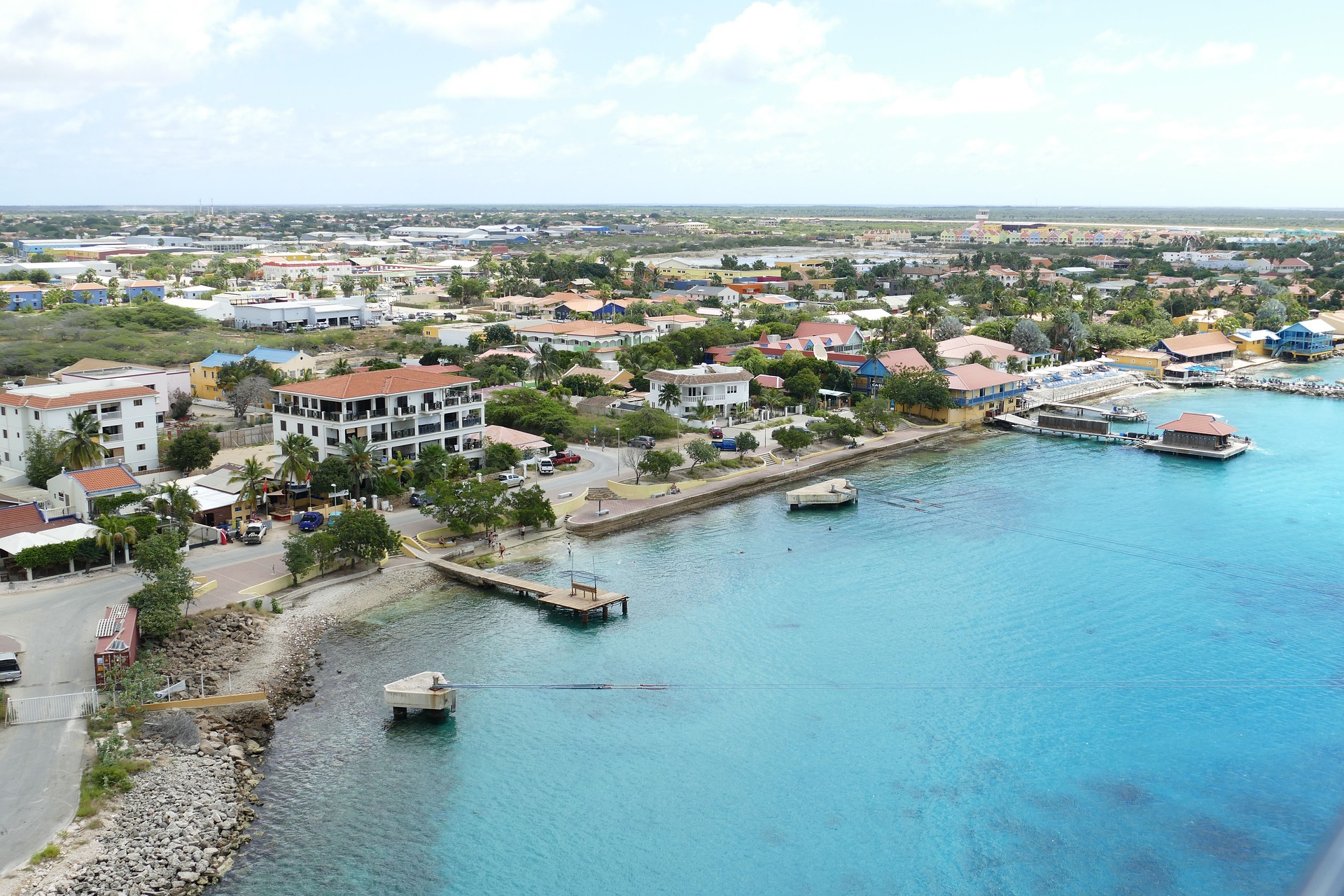
Bonaire is the most remarkable place we have been in the Caribbean and the hardest to recommend without qualification — because it is remarkable specifically for travelers who want what it offers, and it is the wrong island entirely for travelers who do not.
The underwater world is the reason to go. Bonaire has one of the healthiest coral reef systems in the Caribbean, protected since 1979 under one of the world’s first marine parks. The reef is accessible directly from shore at dozens of marked entry points along the west coast — no boat required, no tour needed, no schedule to follow. You drive to a site, walk into the water, and you are immediately over a reef that would be the centrepiece attraction of most Caribbean dive resorts. The coral density, the fish diversity, and the underwater visibility combine to produce something genuinely world-class. We have snorkeled in a lot of places. Bonaire is different from almost all of them.
The shore accessibility is extraordinary. This point deserves emphasis because it fundamentally changes how you experience the island. Most Caribbean snorkel and dive experiences require organizing a boat trip. On Bonaire you just drive to a yellow-painted rock on the roadside, park, and get in the water. That accessibility makes snorkeling something you do spontaneously and repeatedly rather than something you schedule once and then leave behind. It changes the rhythm of the entire trip.
The island is wild and undeveloped in the best sense. There is no resort strip on Bonaire. No casino boulevard. No all-inclusive complex dominating the coastline. The resorts that exist are small, dive-focused, and oriented around the marine environment rather than the entertainment infrastructure. Kralendijk — the capital — is a small, walkable waterfront town with genuine local character. The rest of the island is cactus scrub, salt flats, donkeys, flamingos, and one of the Caribbean’s oldest national parks covering the entire northwest tip.
The flamingos are wild and extraordinary. Hundreds of wild flamingos feed in the southern salt flats — not in a sanctuary, not behind a fence, but in their natural habitat visible from the roadside. Driving the southern tip of Bonaire and watching hundreds of pink flamingos against turquoise water and white salt flats is one of the most surreal wildlife experiences the Caribbean offers. It is completely free and completely unexpected for first-time visitors.
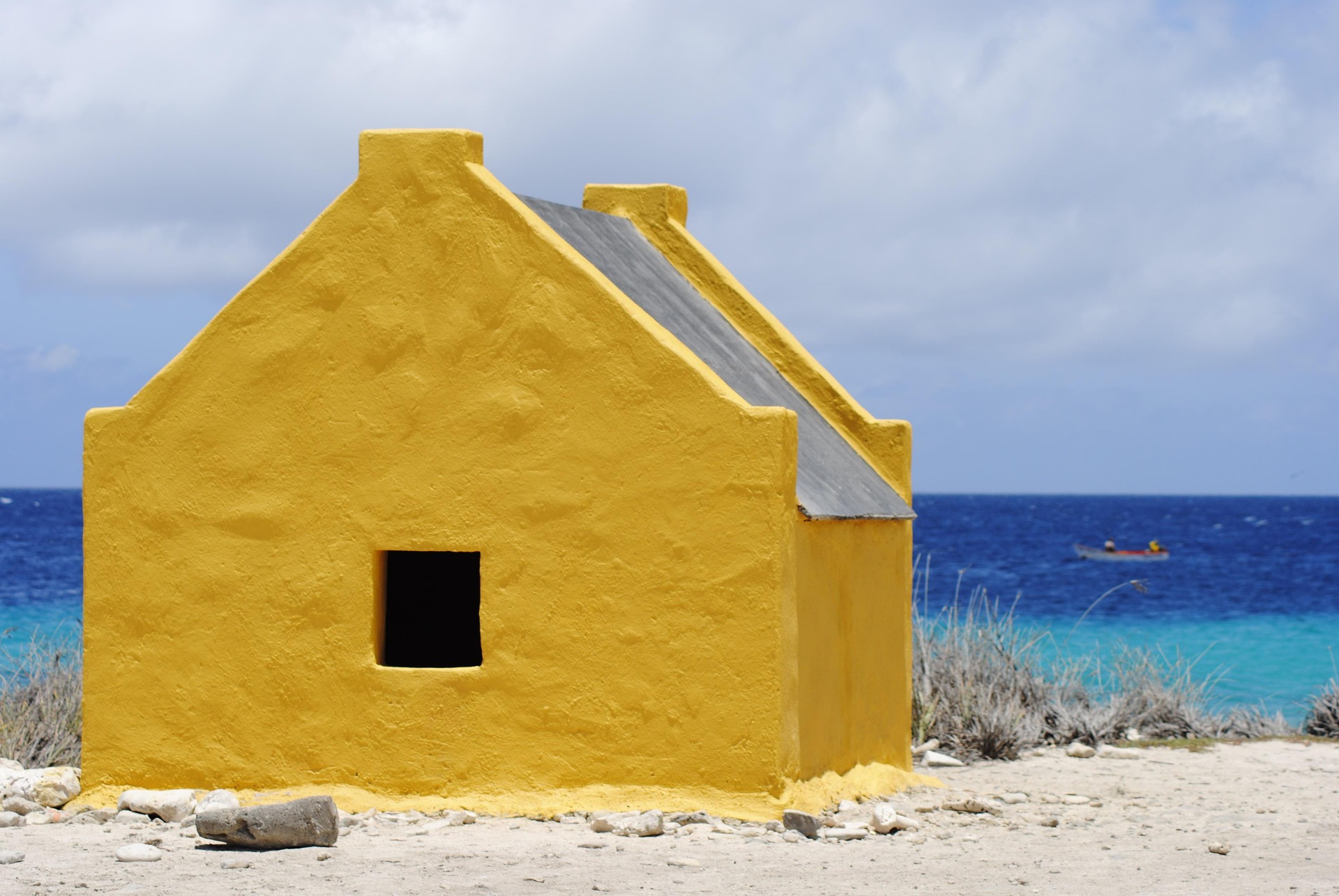
The pace is genuinely unhurried. Bonaire does not try to entertain you in the way that resort destinations do. There is no pressure to book activities, attend shows, or fill every hour with organized fun. The island rewards travelers who are comfortable directing their own time — finding a snorkel site, driving through the national park at dawn, watching the sunset from Karel’s Beach Bar in Kralendijk, exploring the east coast’s dramatic cliffs and crashing surf. That freedom is the experience.
What Bonaire is not: It is not a beach destination in the traditional sense. The beaches exist and some are beautiful, but they are not Aruba’s Eagle Beach. The sand is not always uniformly white and soft, the facilities at most beach sites are minimal or nonexistent, and the appeal of each location is primarily about what is in the water rather than what is on the shore. It is not a nightlife destination — Kralendijk closes early by Caribbean standards and the evening entertainment infrastructure of Aruba does not exist here. It is not a destination for travelers who want their trip organized and delivered to them — Bonaire requires engagement and self-direction that some travelers find liberating and others find exhausting.
Curaçao: What It Actually Is
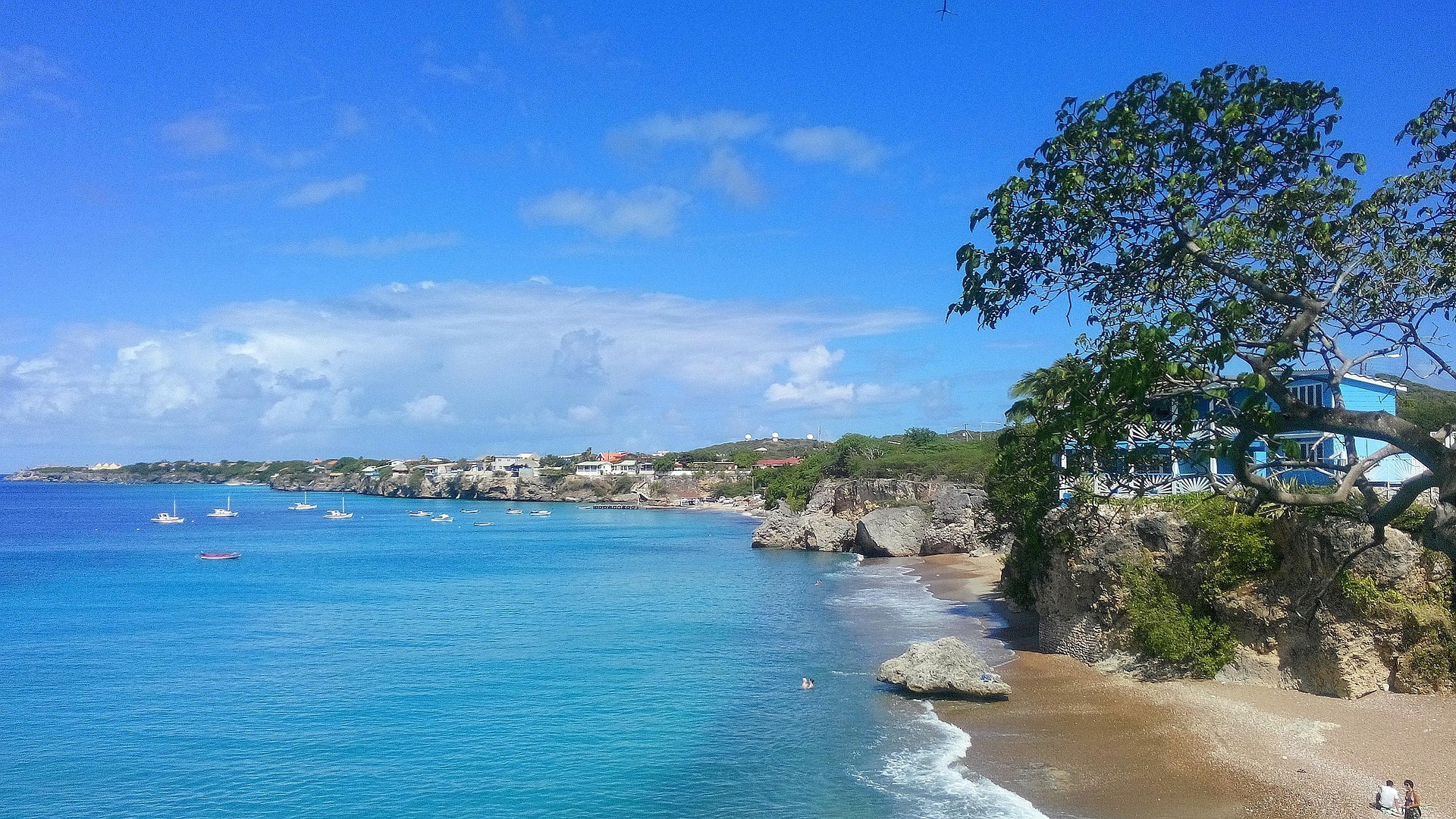
We are transparent here: our Curaçao knowledge comes from research and the accounts of travelers who have spent meaningful time there rather than from our own direct experience. What follows is as accurate and honest as we can make it from that position.
Curaçao is the largest of the ABC islands — roughly 60 kilometers long and 14 kilometers wide — and the most urban. Willemstad, the capital, is a UNESCO World Heritage Site famous for the extraordinary Dutch colonial architecture of the Punda and Otrobanda districts, whose waterfront rows of colorful stepped-gable buildings are among the most photographed urban scenes in the Caribbean. The Queen Emma pontoon bridge — a floating pedestrian bridge that swings open to allow boat traffic through the Sint Annabaai channel — is one of the Caribbean’s most distinctive pieces of infrastructure and has become a symbol of the city.
Willemstad is genuinely worth visiting. Unlike Aruba’s Oranjestad, which is pleasant but secondary to the beach experience, Willemstad is a destination in itself. The historic district has genuine depth — museums, galleries, synagogues, markets, and a food scene that reflects the island’s extraordinarily diverse cultural heritage, which includes Dutch, African, Spanish, Portuguese, Jewish, and indigenous Arawak influences. Travelers who value urban cultural experience alongside beach and water activities will find Curaçao more satisfying on that dimension than either Aruba or Bonaire.
The diving and snorkeling are excellent. Curaçao has a protected marine park and a healthy reef system that places it in the same conversation as Bonaire for underwater quality — though most serious divers rate Bonaire’s reef health and shore accessibility above Curaçao’s. Curaçao has some excellent dive sites, including the wreck of the Superior Producer, and the snorkeling at sites like Playa Lagun and Cas Abao is genuinely good. The underwater experience here is significantly better than what most Caribbean destinations offer, even if it falls slightly short of Bonaire’s exceptional standard.
The beaches are good and varied. Curaçao has over 35 beaches ranging from crowded resort beaches near Willemstad to secluded coves accessible only by unpaved road. Cas Abao and Playa Kenepa (Knip Beach) are consistently cited as among the best on the island — white sand, clear water, and a more natural setting than Aruba’s heavily developed coast. The beach experience on Curaçao is generally considered better than Bonaire’s but not quite at Aruba’s level for the top-tier west coast beaches.
The cultural scene is the most developed of the three islands. Curaçao has museums, art galleries, a significant music scene rooted in the local tumba and tambu traditions, and a food culture that reflects the island’s historical position as a major trading hub. Papiamentu — the local creole language that blends Dutch, Spanish, Portuguese, and African elements — is perhaps most fully developed on Curaçao, where it is the everyday language of virtually the entire population.
The nightlife is the best of the three islands. Willemstad and the Mambo Beach area have a developed bar and club scene that Aruba’s resort strip matches but Bonaire cannot approach. For travelers who want Caribbean beach vacation by day and active nightlife by evening, Curaçao is the strongest of the three on the nightlife dimension specifically.
What Curaçao is not: It is not as polished a resort destination as Aruba — the beach infrastructure outside of a handful of developed beaches is more rustic, and the all-inclusive resort model that dominates Aruba’s Palm Beach is less prevalent here. It is not as wild and nature-focused as Bonaire — the marine environment is excellent but does not quite reach Bonaire’s exceptional reef quality, and the island’s larger size and more developed character give it a different energy from Bonaire’s intimate, unhurried atmosphere.
The Direct Comparisons: Category by Category
Beaches
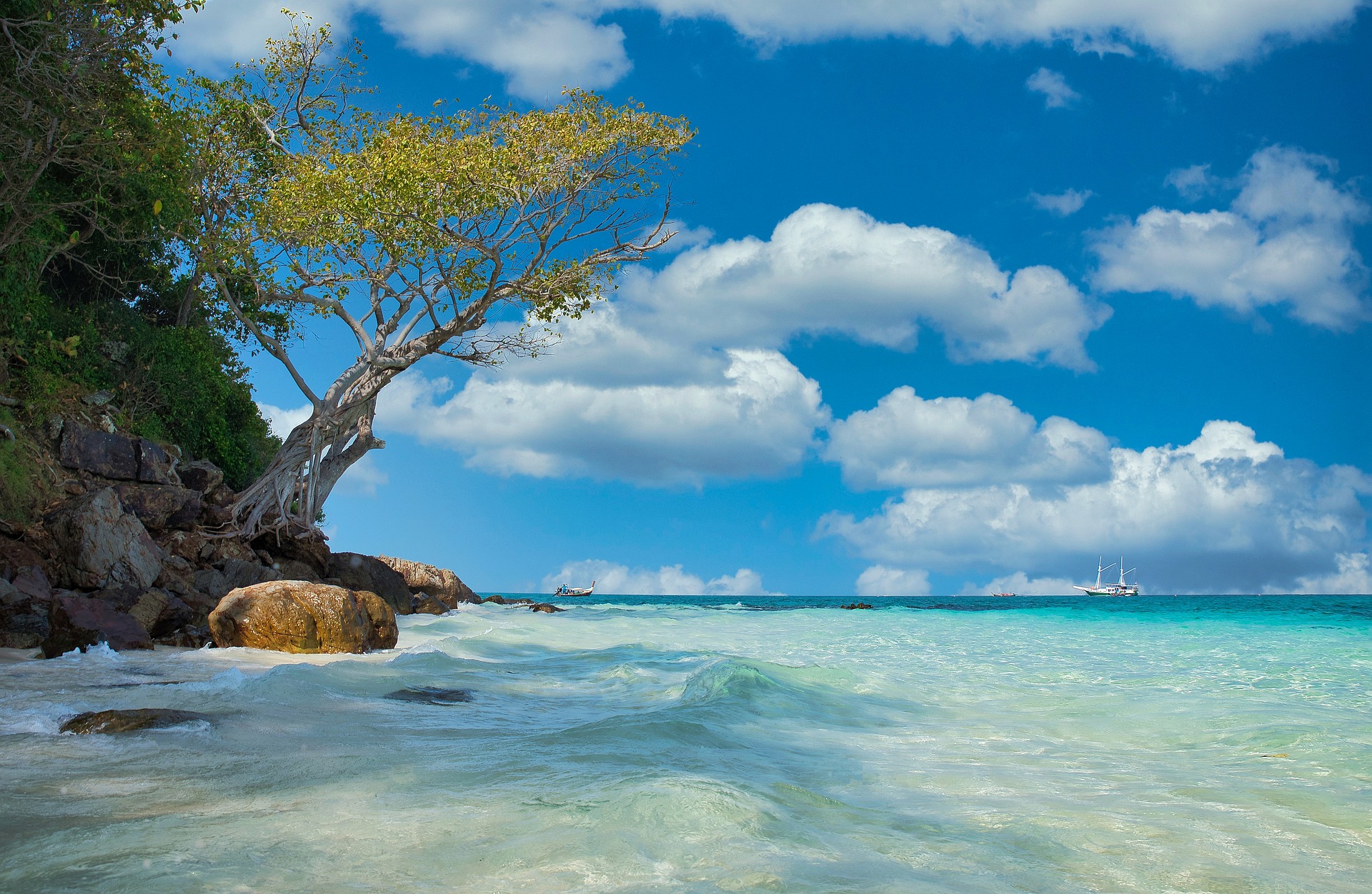
Aruba wins. Eagle Beach and Palm Beach are genuinely among the best beaches in the Caribbean — wide, white, calm, and beautiful in a way that is immediately accessible and requires no effort to appreciate. Curaçao has good beaches that reward exploration. Bonaire’s beaches are secondary to the underwater experience — they exist, some are beautiful, but they are not the reason to go.
If your primary motivation for a Caribbean trip is beach quality, Aruba is the answer. It is not close.
Snorkeling and Diving
Bonaire wins clearly. The reef health, the shore accessibility, the marine life diversity, and the consistency of the underwater experience across dozens of sites put Bonaire in a category of its own for snorkeling and diving. Curaçao is genuinely good and significantly better than most Caribbean alternatives. Aruba has snorkeling available but it is not why you go to Aruba — the reef quality and shore accessibility do not approach Bonaire’s standard.
If the underwater world is your primary motivation, Bonaire is the answer. Again, it is not close.
Resort Infrastructure and Convenience
Aruba wins decisively. The Palm Beach resort strip has more rooms, more brands, more amenities, and more organized tourism infrastructure than Curaçao and Bonaire combined. Everything is available, everything is organized, and the logistics of the trip require minimal independent effort. Curaçao has good hotels but a less developed resort zone. Bonaire’s accommodation is small, dive-focused, and requires more self-direction.
If you want a turn-key Caribbean resort experience where everything is handled for you, Aruba is the answer.
Cultural Experience
Curaçao wins. Willemstad’s UNESCO heritage, the island’s extraordinary cultural diversity, the food scene, the music traditions, and the genuine urban texture of the capital give Curaçao a cultural depth that Aruba and Bonaire cannot match. Aruba has Oranjestad and Arikok National Park. Bonaire has Kralendijk and its fascinating conservation history. Both are worthwhile. Neither approaches Curaçao’s cultural richness.
If cultural experience is a primary motivation alongside beach and water, Curaçao is the strongest of the three.
Wildlife and Nature
Bonaire wins. The wild flamingos at the salt flats, the sea turtles in the marine park, the wild donkeys that roam freely, the Washington Slagbaai National Park with its extraordinary bird diversity, and the overall sense of a wild, relatively undisturbed natural environment give Bonaire a nature experience that neither Aruba nor Curaçao matches. Arikok National Park on Aruba is genuinely good. Curaçao’s Christoffelpark is worth visiting. Neither reaches Bonaire’s overall wildlife and nature depth.
Nightlife and Entertainment
Aruba and Curaçao tie, with Aruba’s resort entertainment winning on volume and Curaçao winning on authenticity. Aruba’s Palm Beach has casinos, resort entertainment, beach clubs, and a full spectrum of organized nightlife that is reliably available. Curaçao’s Willemstad and Mambo Beach have a more locally rooted bar and music scene. Bonaire closes early and has limited entertainment infrastructure by design — the island is organized around the natural environment, not the entertainment economy.
Value for Money
Bonaire and Curaçao offer better value than Aruba for travelers who do not need the resort infrastructure. Aruba’s premium resort positioning commands premium prices — the major resort hotels on Palm Beach are expensive and the overall cost of a week on Aruba adds up quickly. Bonaire’s accommodation is modest but the snorkeling — one of the world’s great travel experiences — is essentially free once you have paid the Nature Fee. Curaçao sits in between. For budget-conscious travelers who want an excellent Caribbean experience without resort pricing, Bonaire and Curaçao are the better value propositions.
Ease of Getting There
Aruba wins easily. Aruba has more direct flights from more US cities than any other ABC island — American, Delta, United, JetBlue, and Southwest all operate service to Queen Beatrix International Airport from multiple US gateways. Curaçao has reasonable connectivity but fewer direct US options. Bonaire is the hardest to reach — limited direct service from a small number of US gateways, with most connections routing through Miami or Amsterdam. The difficulty of getting to Bonaire is part of what keeps it from being overrun, but it adds cost and planning complexity that Aruba does not require.
Crowds and Tourism Pressure
Bonaire wins on quiet, Aruba wins on infrastructure despite crowds. Bonaire is the least visited and the least crowded. Aruba is the most visited and the most crowded — cruise ships dock in Oranjestad and the Palm Beach strip is busy year-round. Curaçao receives cruise traffic into Willemstad but the island’s larger size distributes visitors more effectively. If solitude and avoiding tourist crowds are priorities, Bonaire is the answer. If you are comfortable with a busy resort environment and value the infrastructure that comes with it, Aruba delivers.
Who Each Island Is Right For
Aruba Is Right For You If:
- Beach quality is your primary motivation and you want the best beaches the ABC islands offer
- You want a fully organized resort vacation where everything is handled and nothing requires independent planning
- You are traveling with people who have different interests — the resort infrastructure accommodates divergent preferences better than the other two islands
- You want reliable, accessible flight connections from the United States without the routing complexity of getting to Bonaire
- You enjoy casino entertainment, resort pools, organized beach activities, and a lively evening scene
- This is your first Caribbean trip and you want a reliably excellent, immediately impressive experience without the research investment that getting the most out of Bonaire requires
- You are celebrating a special occasion and want the luxury resort treatment at its most developed
Bonaire Is Right For You If:
- The underwater world — snorkeling or diving — is the central motivation for your trip
- You value a quiet, unhurried, nature-focused Caribbean experience over resort infrastructure and entertainment
- Wildlife genuinely excites you — flamingos, sea turtles, wild donkeys, extraordinary bird diversity in the national park
- You are comfortable directing your own time rather than having activities organized and delivered to you
- You want to feel like you have discovered somewhere that most Caribbean travelers do not know about
- You are a repeat Caribbean traveler who has done the standard resort experience and wants something genuinely different
- The environmental consciousness of your travel matters to you — Bonaire’s marine park and conservation ethos are among the most serious in the Caribbean
Curaçao Is Right For You If:
- Cultural experience — architecture, history, food, music, urban texture — is as important to you as beach and water
- You want excellent snorkeling and diving without the logistics complexity of getting to Bonaire
- You want a Caribbean destination with genuine urban character rather than a resort strip or a small town
- You are interested in the Caribbean’s Dutch colonial history and want to experience it in its most fully realized form
- You want good beaches without Aruba’s crowds and development level
- You are combining an ABC island visit with exploration of the broader Dutch Caribbean
The Combination Question: Can You Visit More Than One?
Travelers who have more than a week and the budget for inter-island travel sometimes consider combining two of the ABC islands in a single trip. The most natural pairing is Aruba and Curaçao — connected by short flights and offering complementary experiences that balance Aruba’s beach resort polish with Curaçao’s cultural depth. Bonaire can be added to either as a third stop but its different character — quiet, nature-focused, without much conventional resort infrastructure — makes it a slightly awkward fit with a trip built primarily around resort beach vacation and nightlife.
Our honest recommendation for a combination trip: if you are drawn to both Aruba and Bonaire, do them on separate trips rather than trying to combine them. Both islands reward spending at least four to five days to experience them properly, and combining them in a week means shortchanging both. Aruba and Curaçao combine more naturally in a single trip — similar enough in tourist infrastructure that the transition is smooth, different enough that the combination adds genuine value.
Practical Comparison: Key Facts Side by Side
Size: Aruba — 180 sq km. Curaçao — 444 sq km. Bonaire — 294 sq km.
Population: Aruba — approximately 107,000. Curaçao — approximately 158,000. Bonaire — approximately 22,000.
Capital: Aruba — Oranjestad. Curaçao — Willemstad. Bonaire — Kralendijk.
Currency: Aruba — Aruban florin (pegged to USD at 1.79). Curaçao — Netherlands Antillean guilder (pegged to USD at 1.79). Bonaire — US dollar.
Language: Aruba — Papiamento, Dutch, English, Spanish widely spoken. Curaçao — Papiamentu, Dutch, English widely spoken. Bonaire — Papiamentu, Dutch, English widely spoken.
Flight connections from US: Aruba — extensive, multiple gateways. Curaçao — moderate, primarily Miami and New York. Bonaire — limited, primarily Miami and occasionally New York.
Hurricane risk: All three — low, outside main hurricane belt.
Best months: All three are good year-round. December through April is peak dry season across all three islands.
Marine park: Bonaire — yes, one of the world’s first and most strictly protected. Curaçao — yes, established 2010. Aruba — partial protections, less comprehensive than Bonaire or Curaçao.
The Honest Answer to Which Island Wins
There is no winner. That is the genuine answer and it is more useful than picking one.
We love Aruba. We have been multiple times and we will go back. The beaches are extraordinary, the resort experience is polished and reliable, and the combination of Eagle Beach, the divi-divi trees, the trade winds, and the quality of the restaurants and bars makes for a consistently excellent Caribbean vacation. When we want a beach holiday where everything is beautiful and nothing requires effort, Aruba is on our short list.
We love Bonaire. It is one of our favorite places in the world. The snorkeling off the west coast and at Klein Bonaire is unlike anything else we have experienced in the Caribbean. The flamingos at the salt flats feel improbable every time we see them. The pace, the wildness, the sense that the island has not been organized for our convenience — all of it produces a travel experience that is genuinely irreplaceable. When we want to feel like we are somewhere extraordinary that most people do not know about, Bonaire is that place.
We have not spent meaningful time in Curaçao and we will not pretend otherwise. Based on everything we know about it, Willemstad looks extraordinary, the diving looks excellent, and the cultural depth appears to be the most developed of the three islands. It is on our list.
The question is not which island is best. The question is which island is best for the trip you are planning, the travel style you have, and the experience you are genuinely looking for. Answer that honestly and the choice between Aruba, Bonaire, and Curaçao becomes straightforward.
For everything you need to plan a Bonaire trip specifically, start with our complete Bonaire travel guide, our guide to the best beaches in Bonaire, and our complete snorkeling and diving guide. For the best time to go, our month-by-month Bonaire timing guide covers everything you need to know.
For Aruba specifically, the official Aruba Tourism Authority is the best starting point for current travel information. For Curaçao, the Curaçao Tourism Corporation covers the island comprehensively. And for Bonaire’s marine environment specifically, the Bonaire National Marine Park is the authoritative source for reef rules, Nature Fee information, and site guides.