If you’re planning a trip to Europe, you’ve likely come across the question: is Warsaw worth visiting? It’s not as internationally recognized as cities like Paris or Rome, and it doesn’t carry the same tourism reputation as Prague or Budapest. However, that relative lack of attention is precisely what makes Warsaw such a compelling destination for the right traveler.
Warsaw is a city defined by resilience, contrast, and evolution. Nearly destroyed during World War II, it has been rebuilt into a modern European capital that blends reconstructed historic areas with contemporary architecture and vibrant local culture. Rather than offering a preserved medieval atmosphere, Warsaw delivers a more complex and authentic urban experience—one that reflects both its past and its future.
What Makes Warsaw Different
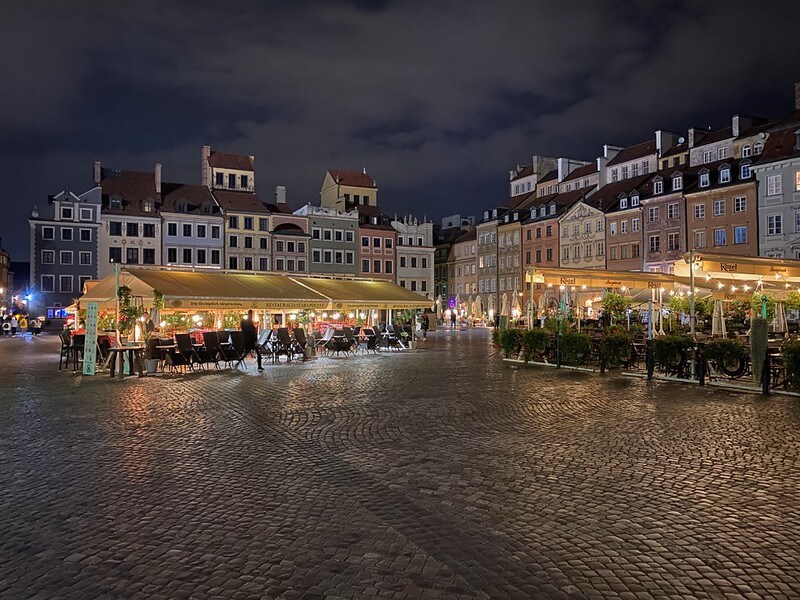
Warsaw stands apart from many European capitals because of its unique historical trajectory. The city was almost entirely rebuilt in the post-war period, resulting in a landscape that combines carefully restored historical districts with modern development. This creates a dynamic environment where traditional architecture coexists with skyscrapers, business districts, and evolving neighborhoods.
Unlike cities that feel curated primarily for tourism, Warsaw retains a strong sense of everyday life. Residential neighborhoods, local markets, and authentic dining experiences are integrated into the visitor experience, making it feel more like a functioning capital than an open-air museum.
Reasons Warsaw Is Worth Visiting
One of Warsaw’s greatest strengths is that it remains relatively underrated. This translates into fewer crowds, shorter lines, and a more relaxed pace of exploration. Visitors can enjoy major landmarks without the intensity often found in Western European cities, allowing for a more immersive and enjoyable experience.
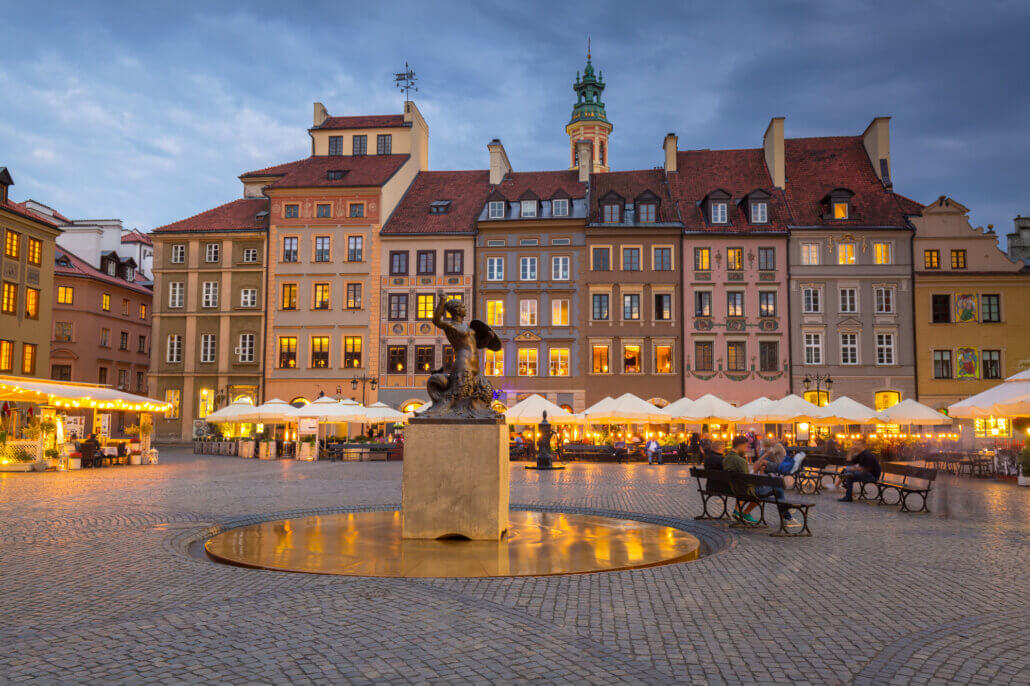
The Old Town is a major highlight. Recognized as a UNESCO World Heritage Site, it has been meticulously reconstructed to reflect its pre-war appearance. The result is a vibrant district filled with colorful buildings, historic squares, and a wide selection of cafés and restaurants. While rebuilt, it retains a strong sense of character and authenticity.
Affordability is another key advantage. Compared to many European capitals, Warsaw offers excellent value across accommodation, dining, and transportation. Visitors can stay in centrally located hotels, dine in high-quality restaurants, and navigate the city efficiently without the high costs associated with Western Europe.
The city’s food scene is also a standout feature. Traditional Polish cuisine is widely available, with dishes such as pierogi, żurek, and bigos forming the foundation of the local culinary identity. At the same time, Warsaw has embraced modern dining trends, offering contemporary Polish cuisine, international restaurants, and a growing café culture. For travelers interested in food, Warsaw provides both authenticity and variety. A more detailed breakdown can be found in the dedicated guide to what to eat in Warsaw.
Warsaw is also known for being clean, safe, and well-organized. Public transportation is reliable and easy to use, and the city consistently ranks as one of the safer capitals in Europe. This makes it particularly appealing for first-time visitors or those seeking a straightforward travel experience.
Another defining characteristic of Warsaw is its blend of old and new. Visitors can move from historic squares to modern business districts within minutes, experiencing a city that is constantly evolving while still honoring its past.
Reasons Warsaw Might Not Be Worth Visiting
Despite its strengths, Warsaw is not the ideal destination for every traveler. One of the most common criticisms is that it lacks the romantic atmosphere found in cities such as Paris or Venice. Travelers seeking cobblestone streets and preserved medieval environments may find Warsaw less visually striking in comparison.
Krakow is often cited as a more traditionally beautiful Polish city. With its well-preserved historic center and compact layout, it may appeal more to those looking for a classic European aesthetic. For travelers with limited time, Krakow is sometimes chosen over Warsaw for this reason.
Warsaw is also more spread out than many European cities. While public transportation mitigates this, it does require more planning and movement between neighborhoods compared to more compact destinations.
Who Should Visit Warsaw
Warsaw is particularly well-suited for travelers who are looking for a less crowded European destination, those who value affordability, and those interested in experiencing local culture rather than purely tourist-focused environments. It is also a strong choice for food-oriented travelers and for those who appreciate a mix of historical context and modern urban development.
Who Might Skip Warsaw
Travelers who are limited on time, or those primarily seeking a classic “old Europe” experience, may prefer to focus on cities such as Krakow or other Western European destinations. Warsaw is better suited for those who are open to a more nuanced and less conventional travel experience.
How Many Days Do You Need
Most visitors will find that two to three days is sufficient to explore Warsaw. This allows time to visit the Old Town, experience the city’s food scene, and explore a few key neighborhoods. A more detailed itinerary and planning guide can be found in the full Warsaw city guide.
Where to Stay in Warsaw
Warsaw offers a wide range of accommodation options across different budgets. The Old Town provides a historic and central location, while Śródmieście offers convenience and proximity to major attractions. Praga, located across the river, is an emerging neighborhood known for its creative and local atmosphere. A full breakdown of neighborhoods and hotel recommendations can be found in the dedicated guide to where to stay in Warsaw.
Final Verdict
Warsaw is worth visiting, particularly for travelers who are looking for a destination that offers authenticity, value, and a distinctive sense of place. While it may not deliver the traditional charm associated with some European cities, it provides a more layered and realistic experience of a modern capital shaped by its history.
For those willing to approach it with the right expectations, Warsaw stands out as one of Europe’s most underrated destinations.
Plan Your Trip
To continue planning your visit, explore the full Warsaw city guide, discover what to eat in Warsaw, and review the best places to stay to build a complete itinerary.