Rome is the kind of city that makes fools of people who think they can plan it precisely. You arrive with a schedule, a list, and a confident sense of what two or three days can accomplish — and within hours the city has already exceeded it, already revealed something extraordinary you weren’t expecting, already made the schedule feel like a constraint rather than a framework. Rome does not yield to efficiency. It rewards surrender.
This is both the joy and the practical challenge of visiting the Eternal City. With 2,800 years of continuous civilization layered on top of each other — Roman, early Christian, medieval, Renaissance, Baroque, and the living city of 2.8 million people operating on top of all of it — Rome contains more history, more art, and more significant monuments per square kilometer than any other city in the world. The question of how many days you need is not a simple one, and any answer that doesn’t account for what kind of traveler you are and what you actually want from the city is not worth much.
This guide gives you an honest breakdown of what each length of stay in Rome allows you to accomplish — and what you will inevitably leave behind. The goal is not to tell you Rome can be done in two days or that you need two weeks. It is to help you make the right decision for your specific trip.
This article is part of our broader Italy travel coverage. For full Rome planning, see our Rome City Guide, our Rome food guide, and our Rome accommodation guide.
👉 Rome City Guide: The Colosseum, the Vatican, Trastevere & everything to do in Rome →
👉 Italy Travel Guide: Rome, Florence, Venice, Milan & everything you need to plan your Italy trip →
Why Rome Is So Easy to Misjudge
The mistake most first-time Rome visitors make is treating the city as a monument checklist rather than an experience. They book two nights, schedule the Vatican on day one and the Colosseum on day two, and leave feeling they have seen Rome. They have seen two of Rome’s most famous attractions. They have not seen Rome.
Rome’s greatness is not contained in its headline monuments — extraordinary as those monuments are. It is in the accumulated experience of walking through a city where every street, every piazza, every church doorway contains something remarkable. The Baroque fountain tucked into a side street off the Campo de’ Fiori. The fragment of Roman wall visible in the basement of a restaurant. The Caravaggio paintings in a dark side chapel of a church nobody queues for. The sensation of drinking a coffee at a bar counter where Romans have been drinking coffee since before your grandparents were born.
These things require time and the willingness to move slowly. They do not appear on a two-day schedule optimized for maximum monument coverage. They are, for many visitors, the things they remember most clearly when they get home.
Rome is also a physically large city — Greater Rome covers over 1,200 square kilometers, and even the historic center requires significant walking between major sites. The distance from the Colosseum to the Vatican is approximately 5km. From Trastevere to the Borghese Gallery is 4km plus the uphill gradient through the Villa Borghese park. Factoring in transit time, queue time, and the heat of a Roman summer afternoon is essential for any realistic assessment of what a given number of days can accomplish.
One Day in Rome: The Absolute Minimum
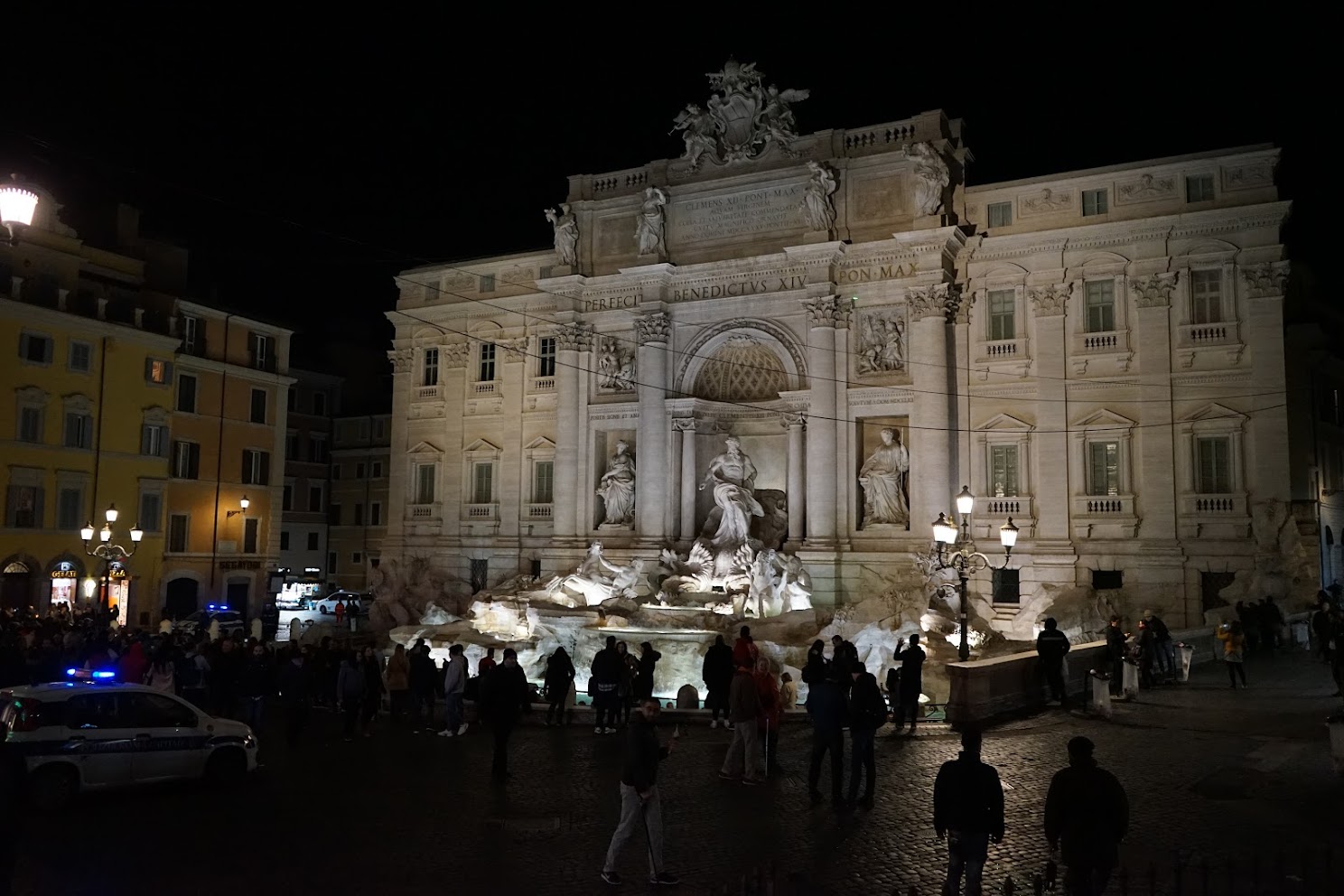
One day in Rome is possible — and it is significantly better than no day in Rome — but it should be understood as an introduction rather than a visit. You will leave having seen Rome’s famous face without having understood a single thing about its character.
With one well-planned day you can cover either the ancient city or the Vatican — not both. Attempting both in a single day produces two rushed, superficial experiences rather than one properly absorbed one. Choose based on your priorities.
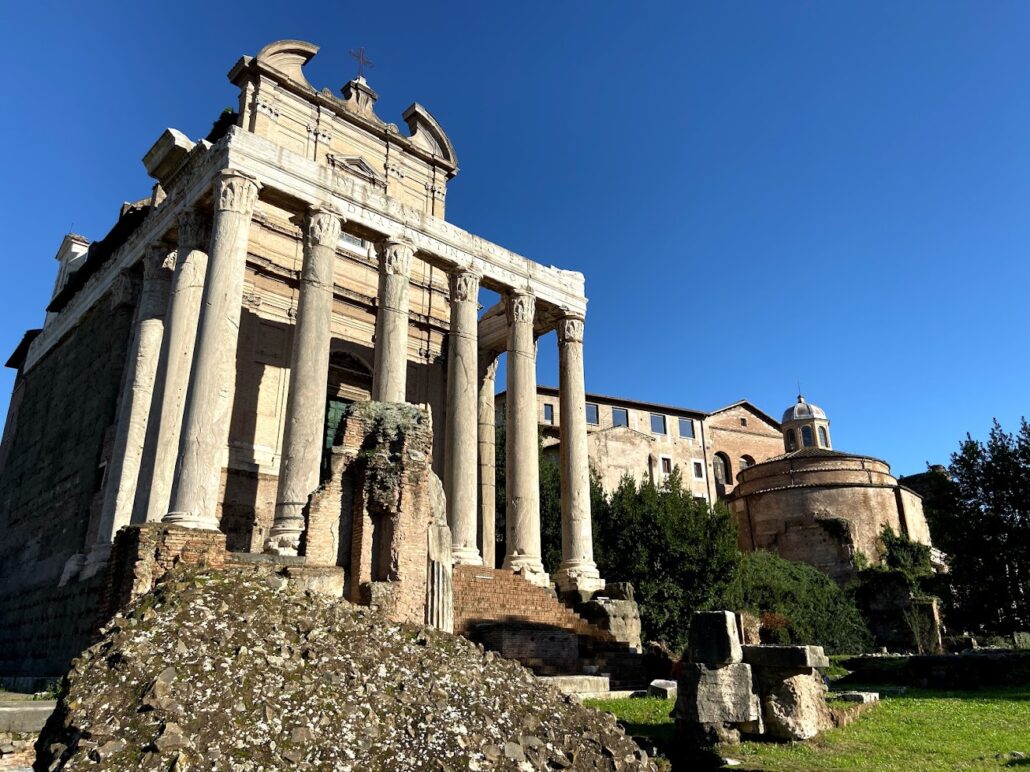
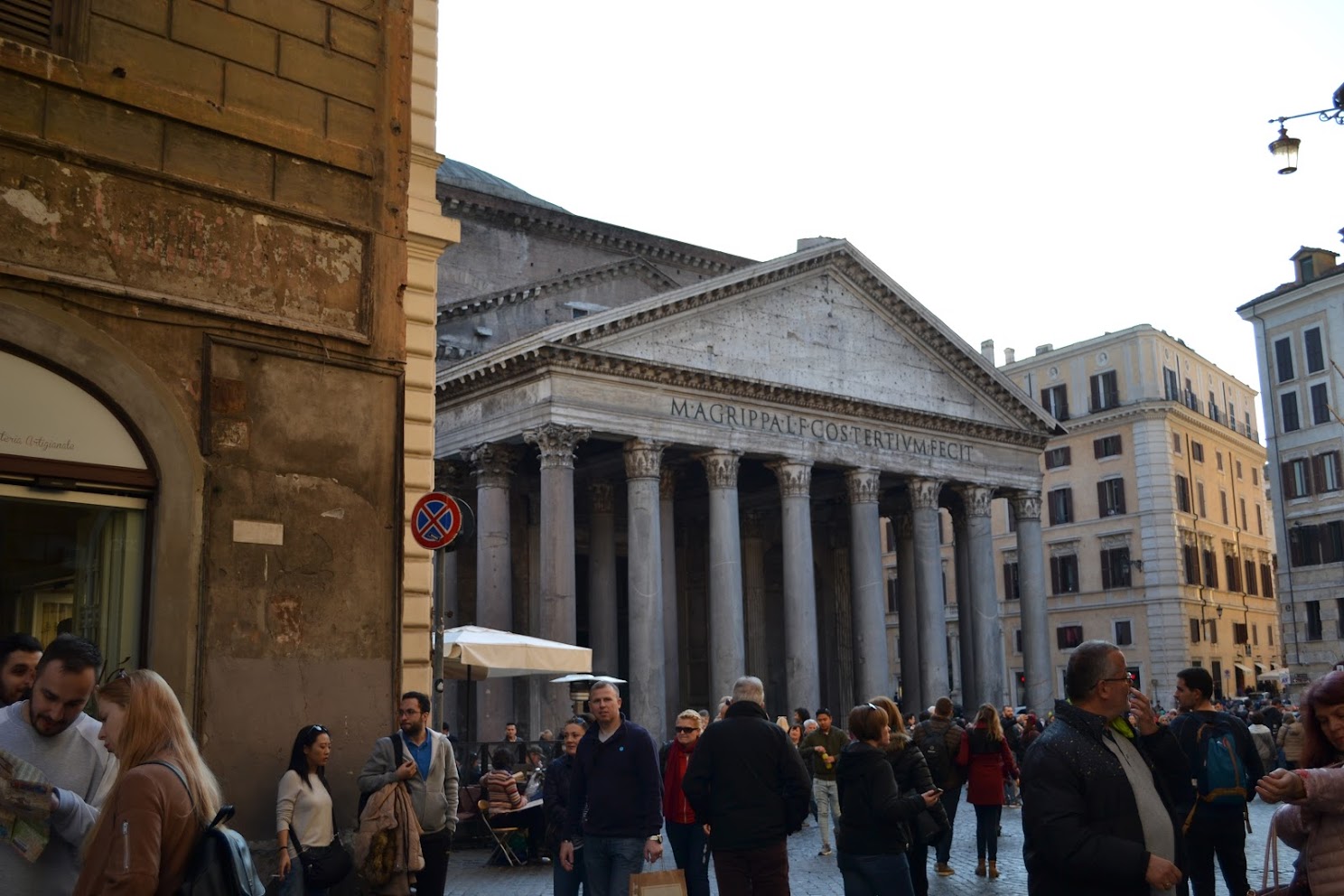
If you choose the ancient city: the Colosseum, Roman Forum, and Palatine Hill in the morning (book the first entry slot, arrive before the heat builds, allow three hours), then a walk through the Circus Maximus valley to the Aventine Hill for the Knights of Malta keyhole view of St. Peter’s Dome, then the Mouth of Truth, then across the Tiber to Trastevere for a late lunch and an afternoon walk. End the evening at the Pantheon and the Piazza Navona — both free, both extraordinary, both best in the evening when the light softens and the crowds thin slightly.
If you choose the Vatican: arrive at your pre-booked entry slot as early as possible, allow four hours for the Vatican Museums and Sistine Chapel, then cross to St. Peter’s Basilica and climb the dome. Spend the afternoon and evening in the Prati neighborhood adjacent to the Vatican — the most underrated neighborhood in Rome for restaurants — and end with a walk along the Tiber to Castel Sant’Angelo.
What one day cannot give you is any sense of the real Rome. You will not have time for Trastevere and the Vatican and the Colosseum. You will not experience the morning coffee ritual, the midday meal at a proper trattoria, the evening passeggiata. One day gives you the highlight reel. Rome is not a highlight reel.
Two Days in Rome: Better, But Still Rushed
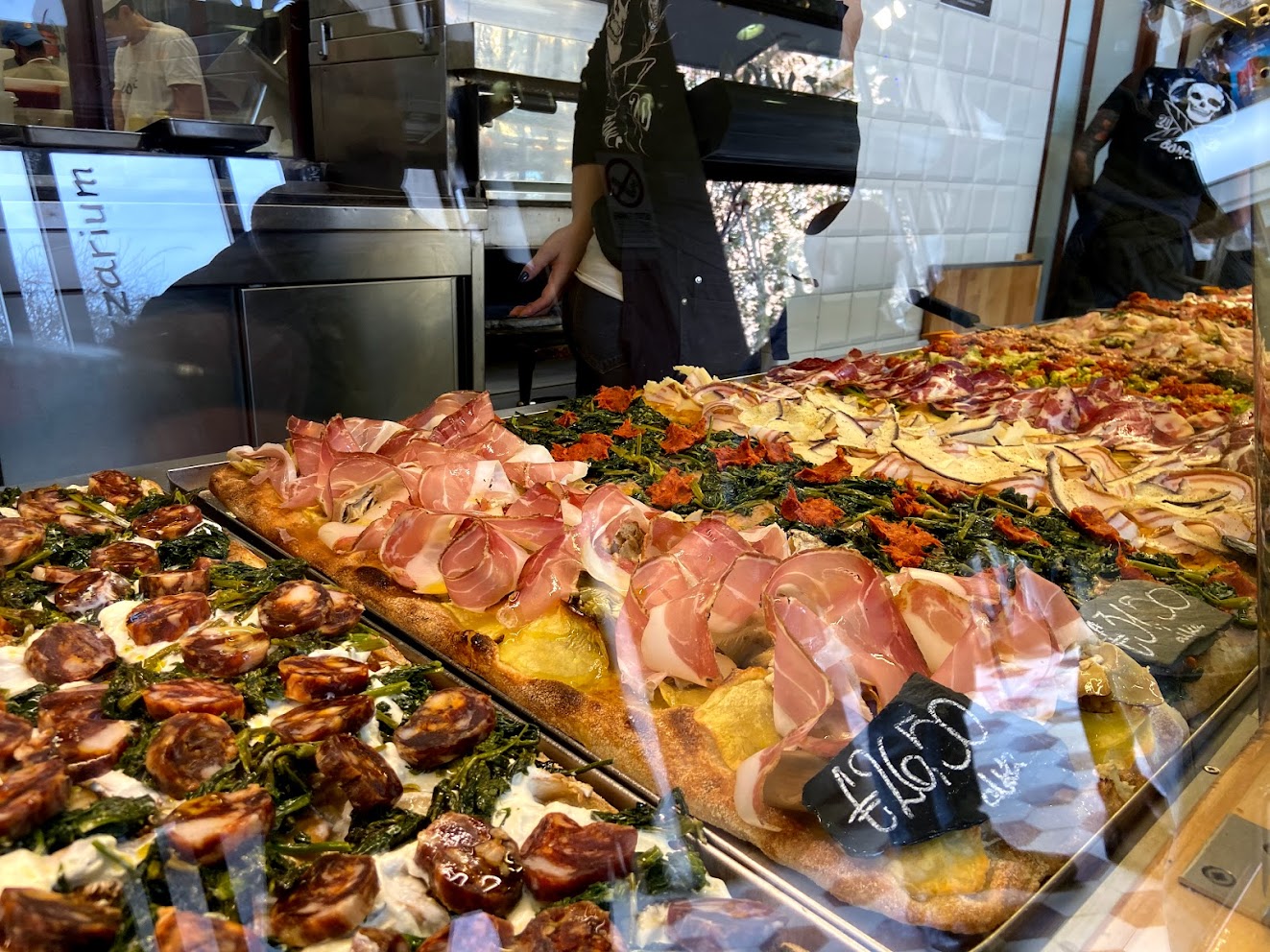
Two days allows Rome to open up slightly — enough to cover both major site clusters and add one or two neighborhood experiences that begin to give the city its texture. It is the minimum that most visitors should give Rome, and even at two days the itinerary requires prioritization and the acceptance that significant things will be left undone.
The logical two-day structure is simple: Vatican on day one, ancient city on day two. Day one covers the Vatican Museums, Sistine Chapel, and St. Peter’s Basilica in the morning (full morning, minimum four hours), then the Castel Sant’Angelo in the afternoon, then dinner in Prati or the Piazza Navona area in the evening. Day two covers the Colosseum, Roman Forum, and Palatine Hill in the morning, then the Circus Maximus, the Aventine, and Trastevere in the afternoon and evening.
This structure covers Rome’s two most essential site clusters. What it does not cover is everything else — the Pantheon, the Spanish Steps, the Trevi Fountain, the Campo de’ Fiori, the Jewish Ghetto, the Borghese Gallery, the Capitoline Museums, the extraordinary Early Christian churches. All of these are genuinely worth visiting. None of them fit into a two-day itinerary that already contains the Vatican and the Colosseum without everything feeling rushed.
Two days works best for travelers on a tight Italy itinerary who are combining Rome with Florence and Venice. In that context — as part of our 7 Days in Italy itinerary — two days in Rome is a functional foundation even if it leaves the city feeling unfinished.
Three Days in Rome: The Sweet Spot
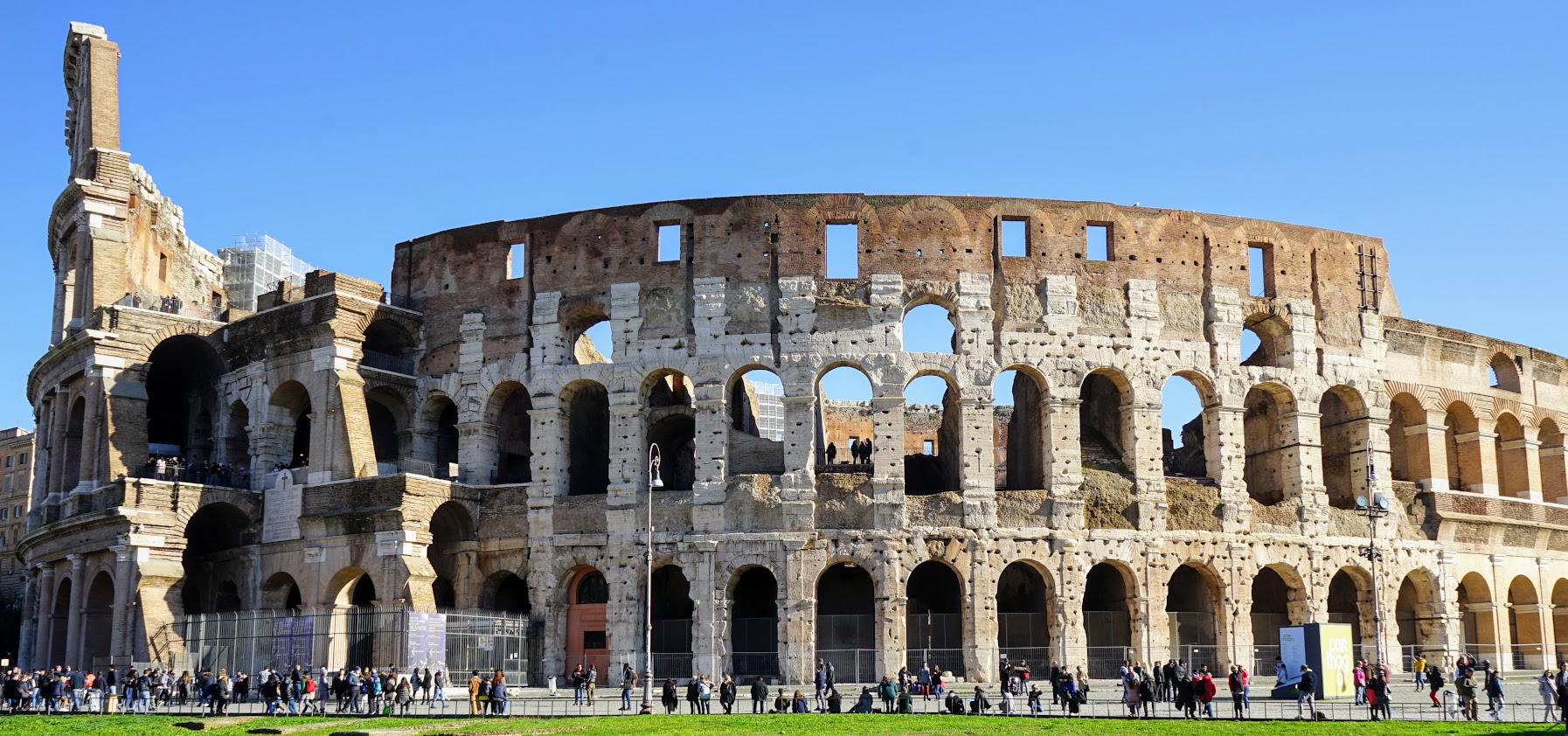
Three days is the answer most experienced Rome travelers give when asked how long you need for a first visit — and it is the right answer for most people. Three days allows the two major site clusters to be properly absorbed, adds the best of the centro storico and the neighborhood Rome that makes the city memorable, and leaves enough time for at least one meal that feels like an event rather than a refueling stop.
A well-structured three-day Rome itinerary looks like this:
Day one covers the Vatican — the Museums, the Sistine Chapel, St. Peter’s Basilica, and the dome climb — with the afternoon spent in Castel Sant’Angelo and the Prati neighborhood. The evening in the Piazza Navona area with dinner in one of the side streets off the piazza rather than the tourist-facing restaurants directly on it.
Day two covers the ancient city — the Colosseum (first entry slot), the Roman Forum, the Palatine Hill — then the Circus Maximus, the Mouth of Truth, and Trastevere for the afternoon and evening. Dinner in Trastevere at a trattoria on one of the cobbled side streets — this is the essential Rome evening.
Day three covers the centro storico at a genuinely leisurely pace — the Pantheon in the morning before the crowds arrive, the Campo de’ Fiori market (mornings only), the Jewish Ghetto for a lunch of carciofi alla giudea and cacio e pepe, the Trevi Fountain in the early afternoon, the Spanish Steps, and the Villa Borghese gardens in the late afternoon. Book the Borghese Gallery in advance for this day — the two-hour timed entry slot is the finest single museum experience in Rome and is not to be missed.
Three days at this pace gives you Rome properly — the ancient, the sacred, and the beautiful. You will still leave with a long list of things you did not do. That is correct. That is Rome.
👉 What to Eat in Rome: Cacio e pepe, supplì, carciofi alla giudea & the best Rome restaurants →
👉 Where to Stay in Rome: The best Rome neighborhoods and hotels for first-time visitors →
Four to Five Days in Rome: For Deeper Exploration
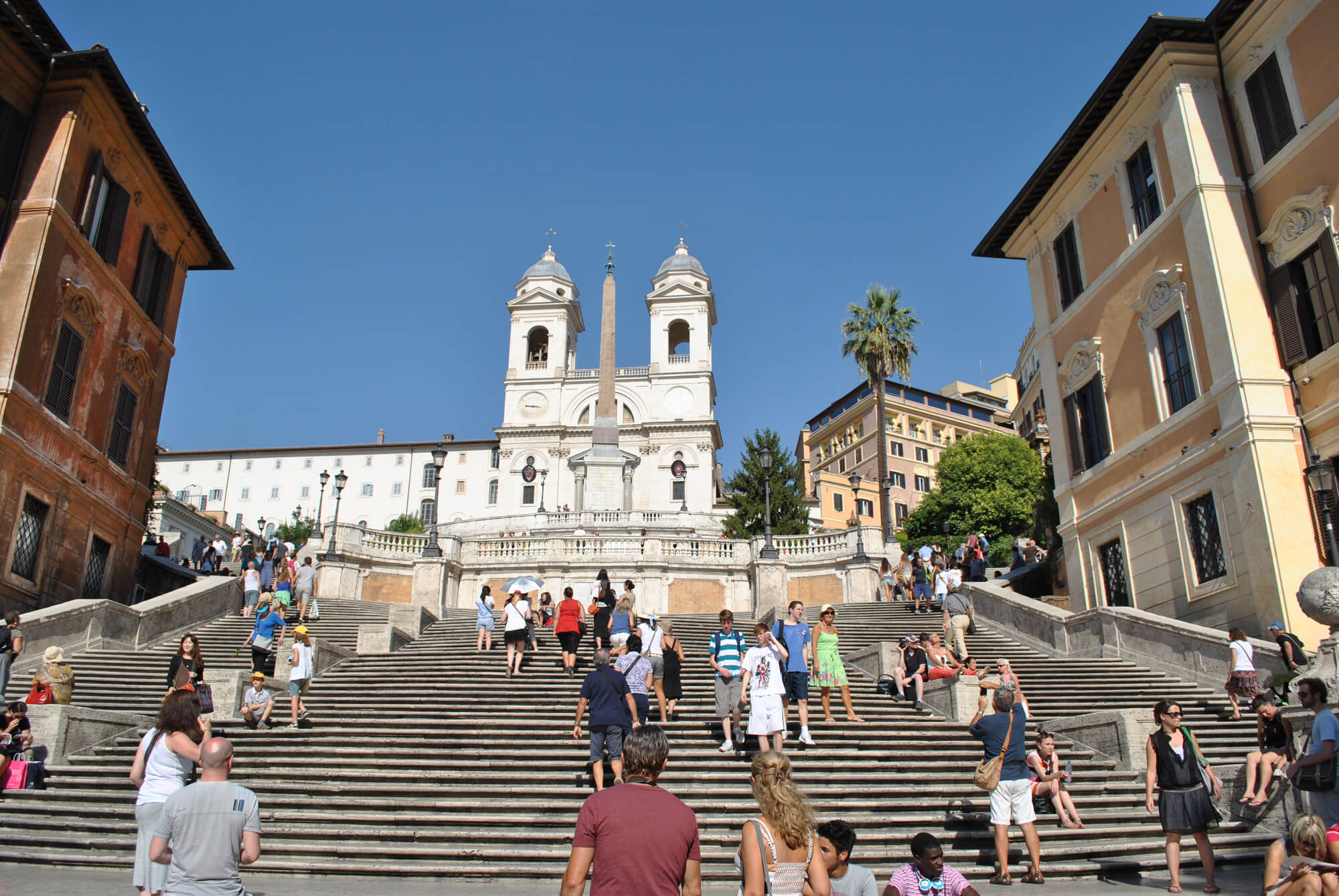
Four to five days in Rome is the length of stay that begins to reveal the city rather than merely catalogue it. With additional time you can move beyond the headline monuments into the Rome that most visitors never reach — and this Rome is, for many travelers, the most rewarding of all.
The fourth day is best spent on the things that a three-day itinerary necessarily omits. The Capitoline Museums — on the Capitoline Hill above the Roman Forum, the oldest public museums in the world, with an extraordinary collection of Roman sculpture including the original Marcus Aurelius equestrian statue — deserve a full morning. The Palazzo Doria Pamphilj, a private palazzo open to the public with a remarkable collection including Velázquez’s portrait of Pope Innocent X (the subject of Francis Bacon’s famous screaming pope series) and an audio guide narrated by the current family heir, is one of the finest and least crowded museum experiences in Rome. The Baths of Caracalla — the enormous third-century Roman public baths, better preserved than the Forum and far less visited — give a sense of the scale of imperial Rome that the Forum alone cannot convey.
A fifth day opens up Rome’s outer neighborhoods and day trips. The Testaccio neighborhood — the former slaughterhouse district south of the Aventine, now the most authentic food neighborhood in Rome — deserves a full afternoon of eating and drinking. The MAXXI contemporary art museum, designed by Zaha Hadid in the Flaminio neighborhood north of the centro storico, is the finest contemporary architecture in Rome and houses a strong collection of Italian and international contemporary art. The day trip to Ostia Antica — the ancient port city of Rome, 30 minutes by train from Piramide station — is the best-kept secret in the Rome day trip offering: a remarkably complete Roman city with forum, theatre, temples, mosaics, and baths, almost entirely without the crowds that descend on Pompeii.
Who benefits most from four to five days: history enthusiasts who want to go beyond the headline sites, food-focused travelers who want to eat properly across multiple neighborhoods, and anyone who finds Rome so compelling after three days that leaving feels wrong — a very common experience.
How Travel Style Changes the Ideal Length
History and Archaeology Enthusiasts
Rome is the most important city in your travel life and you know it. The Vatican Museums, the Colosseum, the Forum, the Palatine Hill, the Capitoline Museums, the Baths of Caracalla, Ostia Antica, the Early Christian churches (San Clemente, Santa Prassede, Santa Maria Maggiore), and the Museo Nazionale Romano across its four sites — all of these deserve serious time. You need five days minimum and should consider a week.
Ideal stay: 5 days minimum
Art Lovers
The Vatican Museums and Sistine Chapel, the Borghese Gallery, the Capitoline Museums, the Palazzo Doria Pamphilj, the Palazzo Barberini, and the Caravaggio churches (San Luigi dei Francesi, Sant’Agostino, Santa Maria del Popolo) together constitute one of the finest art itineraries in the world. Three days covers the essentials; four or five allows the full picture.
Ideal stay: 3 to 4 days
Food-Focused Travelers
Roman food culture — the four classic pastas, the Jewish Ghetto cuisine, the street food, the neighborhood trattorias of Testaccio and Trastevere and Prati — unfolds best over multiple days and multiple neighborhoods. Rushing meals in Rome is one of the most common and most regrettable travel mistakes. Three days minimum; four is better.
Ideal stay: 3 to 4 days
First-Time Visitors on a Tight Schedule
If you are combining Rome with Florence and Venice on a one-week Italy trip, three nights in Rome is the correct allocation — enough for the Vatican, the ancient city, and one evening in the centro storico. See our 7 Days in Italy itinerary for the full route.
Ideal stay: 3 nights
Repeat Visitors
If you have already covered the Vatican and the Colosseum, Rome becomes a different city on a second visit — slower, more neighborhood-focused, more about eating and walking than monument collecting. The Testaccio market, the Pigneto neighborhood, the Garbatella, the Coppedè quarter — these are the Rome that repeat visitors discover and often prefer to the headline version.
Ideal stay: 4 to 5 days focusing on neighborhoods and day trips
Common Mistakes When Planning Time in Rome
Trying to See Both the Vatican and the Colosseum in One Day
This is the single most common Rome planning mistake. The Vatican Museums alone require four hours minimum; St. Peter’s adds another two. The Colosseum, Forum, and Palatine Hill require three hours minimum. Attempting both in a single day produces two exhausted, rushed experiences and the inability to absorb either properly. Give each its own day.
Underestimating the Heat in Summer
Rome in July and August is extremely hot — regularly 35°C and above. The Colosseum and the Forum have almost no shade. Planning outdoor ancient city sightseeing for midday in summer is a guarantee of misery. Book the first entry slot of the day (typically 9am), finish by noon, and spend the hottest hours in air-conditioned museums or a long lunch. Resume outdoor sightseeing after 5pm when the light is also at its most beautiful.
Not Booking in Advance
The Vatican Museums, the Colosseum, and the Borghese Gallery all require advance booking — the Vatican and the Colosseum because of queue times that can reach two hours without pre-booked tickets; the Borghese because entry is strictly limited to 360 visitors per two-hour slot. Book all three before you leave home. The Borghese in particular sells out weeks ahead in peak season.
Staying Near Termini Station
Termini is the most connected transport hub in Rome and the area around it is full of affordable accommodation. It is also the least characterful part of the city — busy, commercial, and lacking the neighborhood atmosphere that makes Rome memorable. Staying in the centro storico, Trastevere, or Prati costs more but means waking up inside Rome rather than adjacent to it.
Eating in the Most Tourist-Facing Restaurants
The restaurants immediately surrounding the Vatican, the Trevi Fountain, the Colosseum, and the Piazza Navona are almost universally mediocre and overpriced. Walk one or two streets back from any major monument and the quality improves dramatically and the prices drop. The best Roman food is in the neighborhoods — Testaccio, Trastevere, Prati, and the back streets of the Jewish Ghetto — not at the tourist intersections.
Our Recommendation
For most first-time visitors to Rome: three full days and three nights is the right answer. It covers the Vatican, the ancient city, and the centro storico properly — not rushed, not checklist-driven, but absorbed at a pace that allows Rome to begin to reveal itself. You will leave with things undone. That is as it should be. The undone things are the reason to return.
If you have flexibility: extend to four nights. The Borghese Gallery, the Capitoline Museums, and a proper Testaccio afternoon are all worth a fourth day, and Rome after three days starts to feel familiar in the most pleasurable way — when you know where to get your morning coffee, which streets to take to avoid the crowds, and which trattoria to return to for dinner.
If you are genuinely short on time: two well-planned days covers the Vatican and the ancient city, which is the non-negotiable Rome. Do not try to add more. Do two things completely rather than five things partially.
Rome is inexhaustible. The correct approach is not to exhaust it but to take what each visit offers and leave the rest for the next one.
Plan Your Rome Trip
👉 Rome City Guide: The complete guide to Rome’s neighborhoods, monuments & experiences →
👉 What to Eat in Rome: Cacio e pepe, supplì, carciofi alla giudea & the best Rome restaurants →
👉 Where to Stay in Rome: The best Rome neighborhoods and hotels for every budget →
👉 7 Days in Italy Itinerary: Rome, Florence & Venice — the perfect first-timer’s Italy route →
👉 Rome vs Florence: Which Italian city should you visit? A complete comparison →
👉 Best Cities to Visit in Italy: The full breakdown of Italy’s greatest cities →
👉 Italy Travel Guide: Everything you need to plan your Italy trip →