Rome is one of the great eating cities of the world, and it is also one of the most misunderstood. The city’s culinary identity is built on a small number of dishes executed with obsessive precision — not on variety, not on novelty, not on the kind of pan-Italian menu that shows up at the tourist-facing restaurants near every major attraction. Understanding what Roman food actually is, and where to find it, is the difference between eating well and eating expensively while eating badly.
Roman cuisine is poor food made extraordinary. It comes from cucina povera — the cooking of people who had to work with cheap, overlooked ingredients and make them into something worth eating. Offal, cured pork cheek, dried pasta, pecorino, eggs, tomatoes, dried chili. The canonical Roman dishes are few in number and high in precision. A carbonara made correctly is one of the best things you will eat in your life. A carbonara made incorrectly — with cream, with bacon, with parmesan — is an insult to the dish and to Rome.
This guide covers what to order, where to find it, what to avoid, and how to navigate Rome’s food landscape as a first-time visitor.
👉 Building your Rome itinerary around the food? See our 3 days in Rome itinerary for how to structure your days, and our Rome city guide for full neighborhood coverage.
The Four Roman Pastas: Know Them Before You Arrive
Roman pasta culture is built around four dishes. Every serious Roman restaurant does at least two of them. Every tourist-facing restaurant near the Colosseum does all four badly. Knowing the correct preparation of each one protects you from being charged €18 for something that bears no relation to the original.
Cacio e Pepe
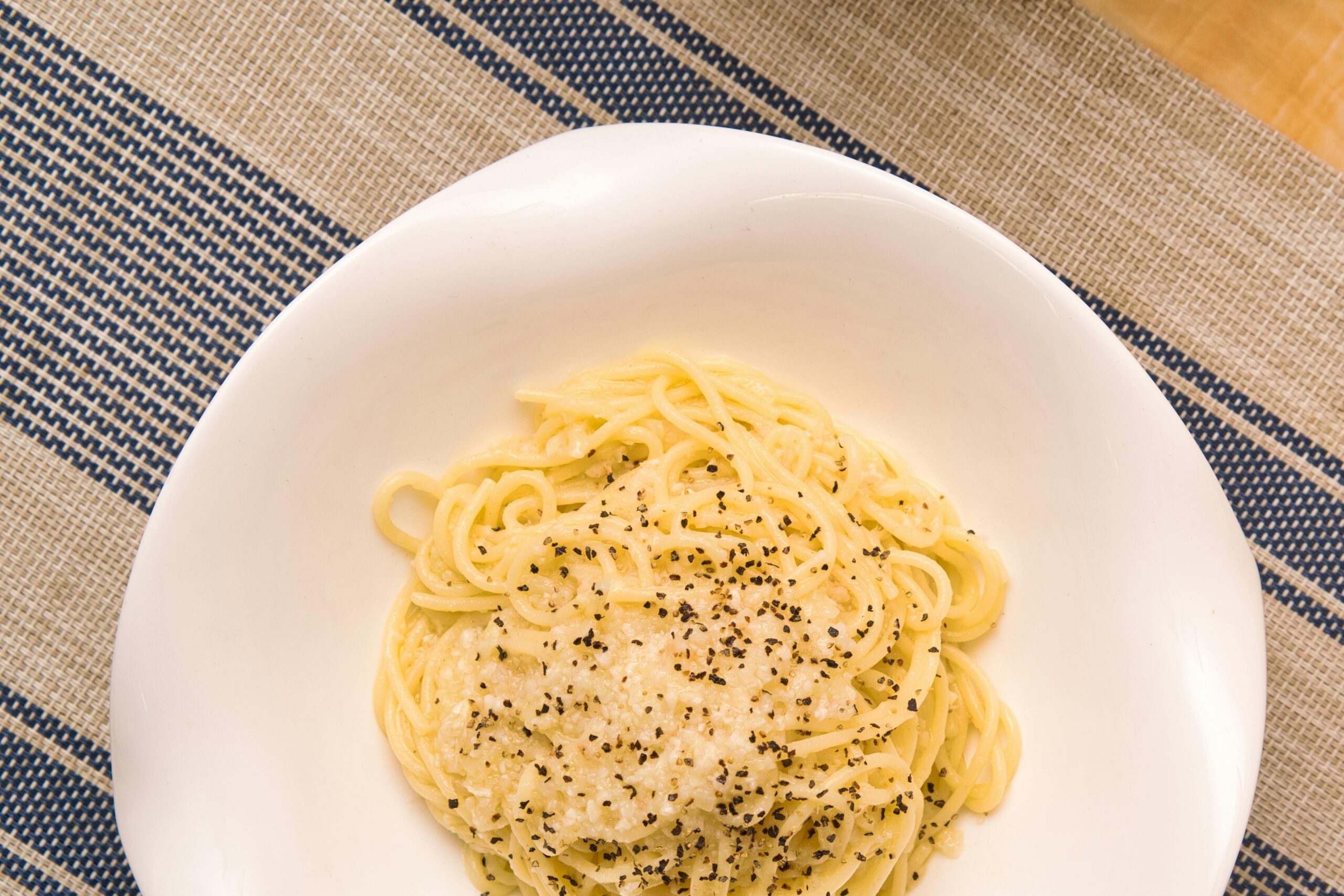
Three ingredients: pasta (traditionally tonnarelli or spaghetti), Pecorino Romano, black pepper. No butter. No cream. No parmesan. The sauce is created by emulsifying grated Pecorino with pasta cooking water and freshly cracked pepper — a technique that requires skill and produces a silky, intensely flavored coating that should cling to the pasta without clumping.
Bad cacio e pepe is gluey, thick, and tastes of dairy rather than the sharp, salty bite of aged Pecorino. Good cacio e pepe is one of the most elegant demonstrations of technique in Italian cooking. The only way to know which you’re getting before it arrives is to eat at a reputable restaurant — see the neighborhood notes below.
The best places to find it: the area around Testaccio and the Jewish Ghetto consistently produces reliable cacio e pepe. Avoid ordering it at any restaurant that has photographs of the dish in the window.
Carbonara
Guanciale (cured pork cheek — not pancetta, not bacon), egg yolks, Pecorino Romano, black pepper, pasta cooking water. No cream. Ever. The sauce is made by combining the rendered guanciale fat with egg yolks and Pecorino, tempered with starchy pasta water to create a coating that is rich without being heavy. The pasta — typically rigatoni or spaghetti — should be coated, not swimming.
Carbonara is the dish most frequently butchered for tourist palates. The addition of cream produces a sauce that is easier to make consistently but is categorically not carbonara. If a menu lists carbonara with cream as an ingredient, move on.
For an authoritative overview of the dish’s history and correct preparation, Gambero Rosso — Italy’s most respected food publication — is a useful reference before your trip.
Amatriciana
Technically from the town of Amatrice northeast of Rome, but adopted by the city as one of its own. Guanciale, San Marzano tomatoes, Pecorino Romano, dried chili, white wine. Served on bucatini (a thick, hollow spaghetti) or rigatoni. The sauce should have depth from the rendered guanciale fat, acidity from the tomatoes, heat from the chili, and the sharp salt note of Pecorino on top.
Amatriciana is more forgiving to prepare than cacio e pepe or carbonara — the tomato masks technical errors that the other two cannot hide. This means it appears on menus more widely and is more consistently executed even at mid-range restaurants.
Gricia
The least famous of the four and, to many who’ve tried it, the most interesting. Gricia is essentially carbonara without the egg — guanciale, Pecorino Romano, black pepper, pasta water. It is considered the ancestor of both carbonara and amatriciana, predating both by centuries. The flavor is cleaner than carbonara, saltier and fattier, with the guanciale doing more work than in any of the other three preparations.
Gricia appears less frequently on tourist-facing menus because it’s harder to explain and less famous. Finding a restaurant that does gricia well is usually a reliable indicator that the rest of the pasta menu is worth trusting.
Roman Street Food: What to Eat on the Move
Rome has a strong street food and snacking culture that operates largely independently of the sit-down restaurant scene. These are the things worth eating standing up or walking.
Supplì
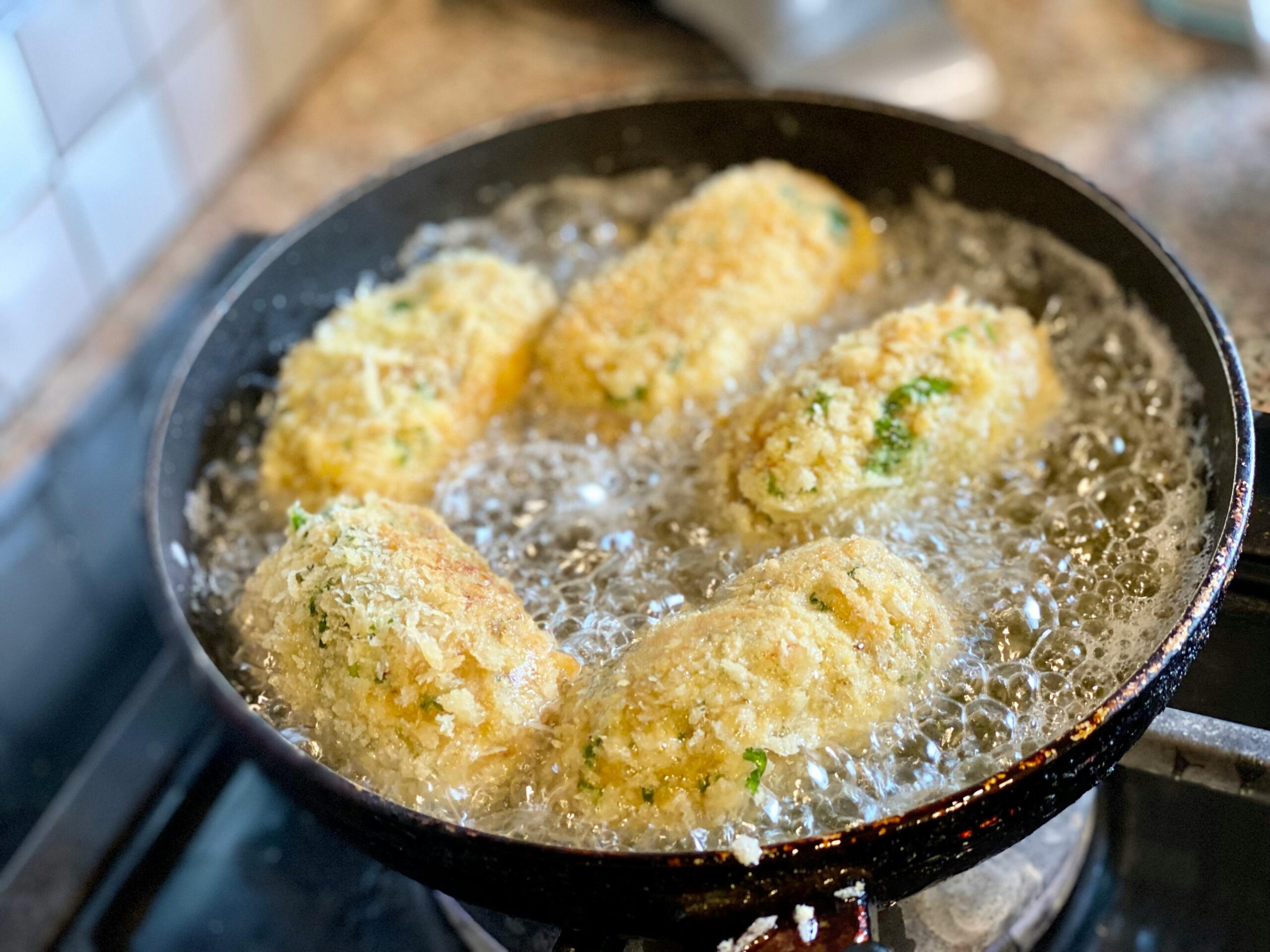
Rome’s answer to the arancino — fried rice balls with a molten mozzarella core, traditionally flavored with tomato and meat ragù. Supplì are sold at pizza al taglio shops (pizza by the slice) throughout the city and are eaten as a quick snack at almost any hour. The exterior should be crispy; the interior should be hot with a distinct pull of cheese when you break it open. They cost €1.50–2.50 each and are one of the best value food experiences in Rome.
The best supplì in Rome are widely considered to come from Supplì Roma on Via di San Francesco a Ripa in Trastevere, and from the pizza al taglio shops in Testaccio and the historic center. Supplì Roma is a good starting reference.
Pizza al Taglio
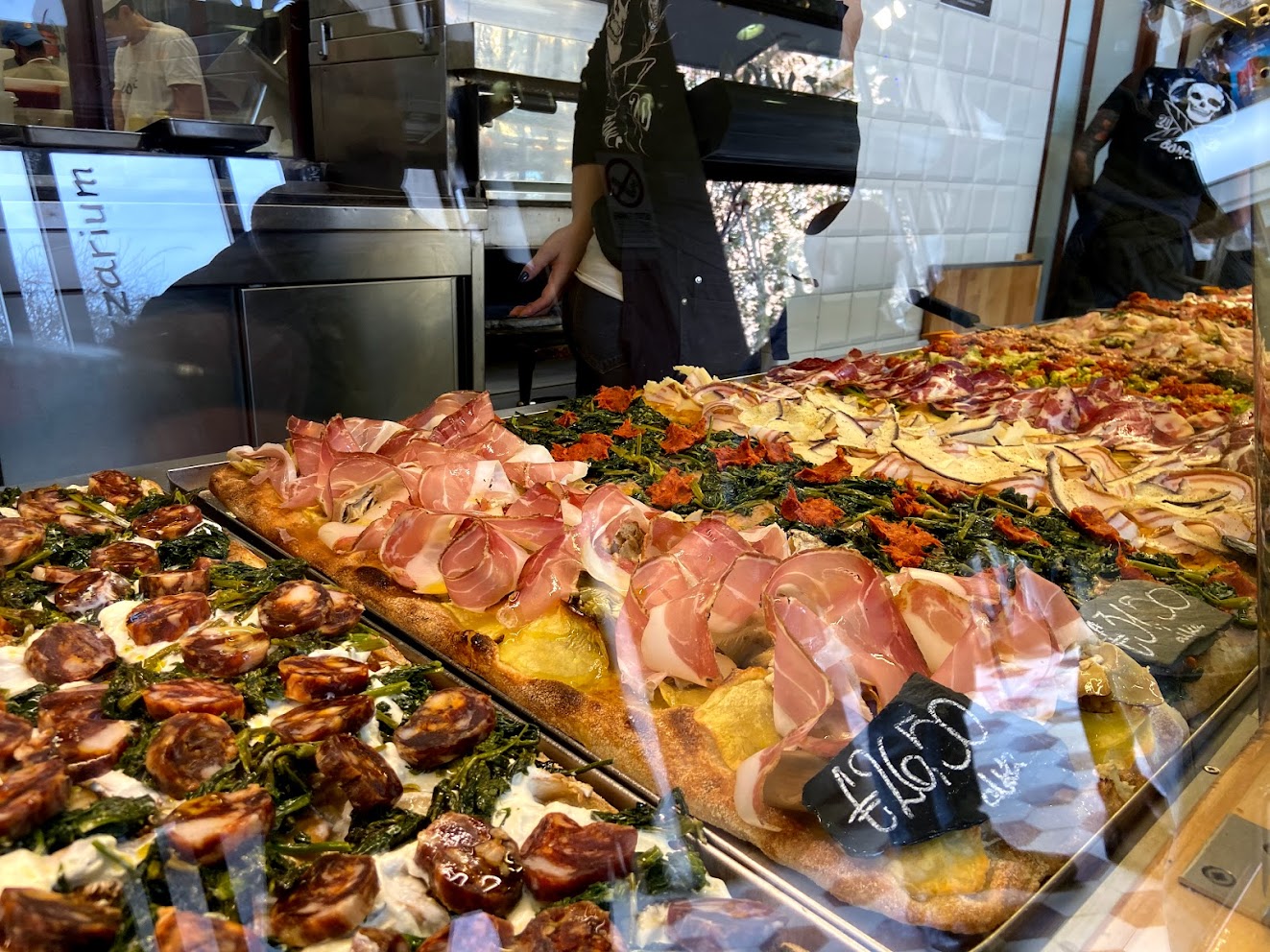
Roman pizza by the slice is fundamentally different from Neapolitan pizza and should be evaluated on its own terms. The base is rectangular, baked in trays, and has a light, airy internal crumb with a crispy bottom — more similar to focaccia in structure than a thin-crust pizza. Toppings range from the classic margherita to more elaborate seasonal preparations. Sold by weight, cut with scissors, and eaten folded or flat.
Pizza al taglio shops are everywhere in Rome. Quality varies significantly. The best ones bake continuously throughout the day and sell slices that come out of the oven warm. Avoid slices that have been sitting under heat lamps.
Carciofi alla Giudia
Jewish-style fried artichokes — the signature dish of Rome’s Jewish Ghetto and one of the most distinctive preparations in the city’s cooking. A whole artichoke is flattened, double-fried in olive oil until the outer leaves are paper-crispy while the interior remains tender. The result is simultaneously crunchy and soft, with a slightly bitter, nutty flavor that has no close equivalent in other cuisines.
Carciofi alla giudia is a seasonal dish — artichokes are in season from late winter through spring. If you’re visiting between February and May, this is a non-negotiable order. The restaurants of the Jewish Ghetto, particularly on and around Via del Portico d’Ottavia, are the best place to find it.
Trapizzino
A more recent Roman street food invention — a pocket of pizza bianca dough stuffed with Roman stew preparations: oxtail, chicken cacciatore, meatballs in tomato sauce, tripe. Created by Stefano Callegari, who opened the first Trapizzino location in Testaccio. Now with several locations around Rome, it remains one of the best quick bites in the city and a useful introduction to the braised meat traditions of Roman cucina povera.
Maritozzo
Rome’s traditional breakfast pastry — a soft, slightly sweet brioche bun split and filled with an extravagant quantity of fresh whipped cream. Eaten in the morning, ideally with a standing espresso at a bar. The combination sounds excessive and delivers completely. Every Roman bakery and many bars serve maritozzi, though quality varies. A good one should have fresh, lightly sweetened cream that doesn’t taste of stabilizers, and a bun that’s soft enough to compress gently under your fingers.
Roman Meat Dishes: The Offal Tradition
Rome has a strong tradition of offal cookery — quinto quarto, or “fifth quarter,” refers to the parts of the animal left after the four primary cuts were allocated to the wealthy. Working-class Romans developed preparations for these ingredients that are now considered among the city’s most characterful dishes.
Coda alla Vaccinara
Oxtail braised in a sauce of tomato, celery, pine nuts, raisins, dark chocolate, and spices — a combination that sounds unlikely and produces something deeply savory, complex, and completely unlike anything outside of Roman cooking. Long braising time renders the tail meat tender enough to fall from the bone. One of Rome’s great cold-weather dishes, available year-round at traditional trattorias in Testaccio.
Trippa alla Romana
Tripe braised in tomato sauce with mint and Pecorino — one of the most polarizing dishes in Rome, beloved by locals and avoided by many visitors. The tripe is cleaned and pre-cooked before braising, which removes the strongest flavors and produces something milder than its reputation suggests. Served on Saturdays by tradition at many Roman trattorias. Worth trying once if you have any interest in the cucina povera tradition.
Abbacchio
Milk-fed Roman lamb, typically roasted with rosemary, garlic, white wine, and anchovies. A seasonal dish most closely associated with Easter but available throughout the year at traditional restaurants. The combination of lamb with anchovy is characteristic of Roman cooking — the fish adds umami depth without making the dish taste of seafood.
Where to Eat by Neighborhood
Rome’s food quality is dramatically uneven across neighborhoods. Proximity to major tourist attractions is inversely correlated with food quality in most cases. Here’s where to go.
Testaccio
The best neighborhood for traditional Roman food in the city. Testaccio was historically Rome’s meatpacking district — the Mattatoio slaughterhouse operated here until the 1970s — and the cucina povera offal tradition is strongest here as a result. The Mercato di Testaccio is an excellent covered market with food vendors, produce stalls, and prepared food. Multiple trattorias within a few streets of each other serve the four pastas, oxtail, tripe, and Roman lamb at prices well below what you’d pay in the tourist center.
Jewish Ghetto
The neighborhood around Via del Portico d’Ottavia is essential for carciofi alla giudia and the broader Jewish-Roman culinary tradition, which developed distinct preparations using olive oil rather than lard and avoiding shellfish. The fried artichokes here are the city’s benchmark. Several of the restaurants on this strip have been operating for multiple generations.
Trastevere
Rome’s most atmospheric neighborhood for evening dining. Trastevere has a concentration of solid trattorias and osterie within a compact area, and the neighborhood’s authentic character — it was historically a working-class Roman district — means the food culture is more genuine than the historic center immediately across the river. Avoid the restaurants directly on the main tourist piazzas (Piazza di Santa Maria in Trastevere gets very touristy at dinner); the best places are on the side streets.
Prati
The neighborhood immediately north of the Vatican is a proper Roman residential and commercial district. The restaurants here serve a local clientele and are consistently better value and higher quality than anything in the immediate Vatican vicinity. Good for lunch after a Vatican visit, or for dinner if you’re staying in the area.
Monti
The neighborhood between the Colosseum and Termini station is Rome’s most livable and food-forward district. It has evolved from a working-class area into a destination for wine bars, natural wine shops, and trattorias that balance Roman tradition with contemporary sensibility. The best places to eat before or after the Colosseum are in Monti, not on the streets immediately adjacent to the monument.
Near the Pantheon and Piazza Navona: Proceed Carefully
The historic center between the Pantheon and Piazza Navona contains some of Rome’s best restaurants and some of its worst, often on the same block. Tourist-facing restaurants on the main piazzas charge premium prices for food that ranges from mediocre to actively bad. The better restaurants are typically on the smaller streets one or two blocks removed from the main tourist flow — identifiable by the absence of laminated picture menus and the presence of Italian speakers eating there.
Coffee, Gelato, and What to Know About Both
Coffee
Rome’s coffee culture is specific. Espresso is drunk standing at the bar, quickly, often without sitting down. Cappuccino is a morning drink — ordering one after noon marks you as a tourist and will occasionally produce a visible wince from a Roman barista. Latte as understood outside Italy does not exist here in the same form; ordering one gets you a glass of warm milk.
Prices at the bar (standing) are regulated and lower than table service — paying €1–1.20 for an espresso at the counter is normal. Sitting down at a table, particularly at a piazza café, can cost three to five times more for the same drink. This is a cultural norm, not a scam — it’s worth knowing before you sit.
Gelato
Rome has many gelato shops and a significant quality range between them. The indicators of a good gelateria: gelato stored in covered metal containers rather than piled up in colorful mounds, natural colors (pistachio should be pale green, not bright green), and a relatively short flavor list. Shops displaying gelato in fluorescent towers are almost always using artificial flavors and stabilizers.
For guidance on Rome’s best gelaterias, Gambero Rosso publishes annual rankings of Italian gelato that are taken seriously by the industry and worth consulting before your visit.
What Not to Order in Rome
A few specific things that indicate a restaurant is not worth eating at, or dishes that will disappoint regardless of where you order them:
Carbonara with cream — As covered above. Not Roman. Not acceptable. Leave.
Fettuccine Alfredo — An American-Italian invention that does not exist as a canonical dish in Rome. You can find it at tourist restaurants. Don’t order it.
Spaghetti Bolognese — A Bolognese preparation that belongs in Bologna, not Rome. Its presence on a Roman menu is a reliable indicator that the kitchen is cooking for tourists rather than cooking Roman food.
Any restaurant with a photograph menu displayed outside — This is not a hard rule — occasionally a decent restaurant uses photographs — but the correlation between picture menus and food quality in Rome is strongly negative.
Restaurants immediately adjacent to the Colosseum, Trevi Fountain, and Vatican entrance — The restaurants in the first 100 meters of any major tourist attraction in Rome are almost uniformly overpriced and underwhelming. Walk two streets further in any direction.
Practical Notes for Eating in Rome
Meal times — Romans eat lunch between 1pm and 3pm and dinner from 8pm or later. Restaurants that open for dinner at 6pm or 7pm are catering specifically to tourists. Showing up at a serious Roman restaurant at 7pm on a weekday may result in being seated in an empty room — not a problem, but worth knowing.
Bread and cover charge — Most sit-down restaurants charge a coperto (cover charge) of €1.50–3 per person, which typically includes bread. This is normal and legal. It is not a scam.
Water — Asking for tap water (acqua del rubinetto) is acceptable and free. Most restaurants will default to bottled water and charge for it unless you specify otherwise.
Tipping — Not mandatory in Italy. Leaving a few euros on the table after a good meal is appreciated but not expected. Service charges are sometimes added at tourist-facing restaurants — check your bill before adding extra.
Booking — Rome’s better restaurants fill up on Friday and Saturday evenings. If there’s a specific place you want to eat, book ahead. Many restaurants have online reservations through TheFork (known as LaFourchette in Italy), which covers a wide range of Rome dining options.
👉 For full logistics on planning your Rome visit, see our 3 days in Rome itinerary and our how many days in Rome guide.